

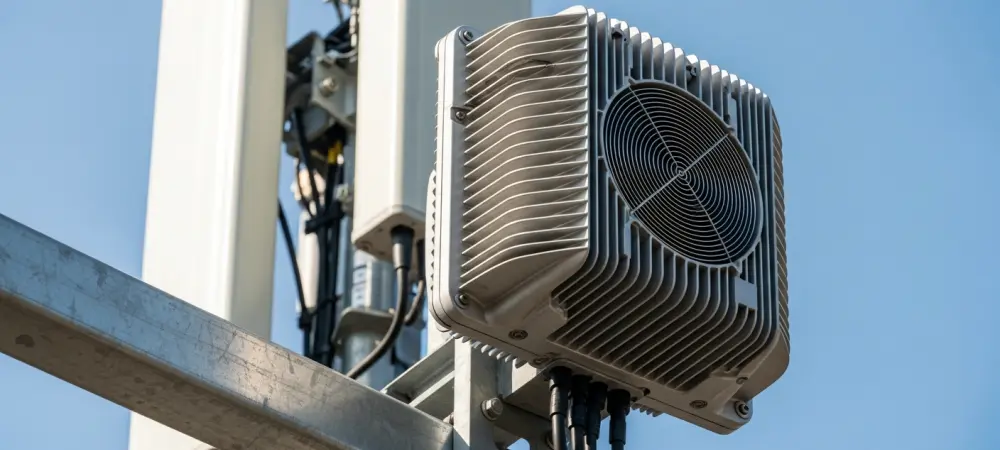
Modern telecommunications networks are undergoing a massive transformation as rigid, proprietary hardware gives way to flexible, software-defined architectures that empower global connectivity. This fundamental shift marks the rise of Open Radio Access Network (O-RAN) technology, which has evolved from an experimental concept into the cornerstone of the next generation of mobile infrastructure. By decoupling hardware from software, operators are gaining unprecedented control over their network ecosystems, allowing for a more diverse supply chain and the rapid integration of intelligent, automated systems that define the current 5G landscape.
The integration of cloud-native principles into the RAN layer has enabled a more agile response to the skyrocketing demand for high-speed data. Major global deployments, such as those led by Rakuten Mobile, have demonstrated that open architectures are not only feasible but also superior in terms of scalability. As the industry moves deeper into this software-centric era, the focus has shifted toward AI-driven automation, which promises to optimize network performance in real-time without the need for manual intervention by engineers.
The Current State: Open RAN Adoption and Deployment
Market Growth Metrics: Rising Momentum in the Sector
The momentum behind open architectures is no longer just theoretical, as major operators are now reporting significant subscriber milestones that prove the commercial viability of this model. Data traffic continues to surge, prompting a strategic focus on the densification of 5G Sub6 (3.7 GHz) networks to maintain service quality in high-density urban environments. This trend is largely driven by the adoption of virtualized Centralized and Distributed Units, which allow for seamless scaling across diverse geographical locations. Moreover, the transition toward these virtualized components has fundamentally changed how capacity is managed from 2026 to 2028. Instead of deploying expensive, specialized hardware for every new site, carriers are leveraging general-purpose processors to handle complex signal processing. This architectural shift provides the agility needed to respond to sudden spikes in data demand while ensuring that the network remains resilient against future technological shifts and fluctuating consumer behaviors.
Real-World Implementation: The Rakuten Mobile and Fujitsu Case Study
A prominent example of this transition is found in the collaboration between Rakuten Mobile and Fujitsu, specifically regarding the commercial deployment of 1Finity 44R21 radio units. These compact, high-transmission power units represent a significant leap in hardware efficiency, as they are designed to minimize the physical footprint of cell sites. By reducing the space required for equipment, operators can significantly lower their site lease expenses and simplify the logistics of complex urban deployments.
Beyond the hardware itself, the integration of these units into the Rakuten Symphony management platform demonstrates the power of a cohesive, multi-vendor environment. This platform allows for the centralized management of diverse hardware layers, ensuring that different components work in harmony rather than in isolated silos. The result is a streamlined operational workflow that reduces the complexity of maintaining a nationwide 5G network while driving significant energy savings.
Industry Perspectives: Strategic Necessity and Open Architectures
Industry leaders increasingly view open interfaces as a strategic necessity rather than a mere cost-saving measure. By breaking away from the traditional model where a single vendor provides the entire RAN stack, operators are fostering a competitive environment that encourages innovation from specialized tech firms. This shift lowers the Total Cost of Ownership by driving down hardware prices and enabling more efficient, software-defined power management strategies that align with global sustainability goals.
Furthermore, executives like Sudhakar Pandey have highlighted that the move toward open standards is a prerequisite for autonomous, AI-driven network optimization. When interfaces are open, AI algorithms can access a broader range of data points across the network, leading to more precise adjustments in traffic steering and energy usage. Collaboration among global giants such as Cisco, Nokia, and F5 is further solidifying this ecosystem, particularly as the industry moves toward widespread 5G Standalone services.
The Future Roadmap: AI Integration and 5G-Advanced
The next phase of telecommunications evolution involves the integration of 5G-Advanced capabilities, which will rely heavily on deep AI integration for real-time RAN optimization. These intelligent systems are expected to manage complex traffic patterns with minimal human intervention, ensuring that high-bandwidth applications like augmented reality receive the necessary resources instantaneously. This shift toward autonomy is not just about performance; it is also a critical component of industry sustainability, as AI can dynamically power down inactive components to save energy.
However, the roadmap includes challenges, as maintaining interoperability across an increasingly diverse array of hardware and software layers requires rigorous testing and standardization. As the ecosystem grows, the industry must ensure that security protocols remain robust and that performance remains consistent across different vendor combinations. Despite these hurdles, the democratizing effect of open standards is likely to expand global connectivity, making high-speed internet more accessible in underserved regions.
The New Standard: Telecommunications Infrastructure Evolution
Open RAN redefined the parameters of network flexibility and cost-effectiveness by moving away from the rigid structures of the past. Strategic partnerships and open ecosystems became the primary drivers of progress, allowing carriers to pivot quickly in a competitive 5G landscape. This software-centric approach provided a sustainable path forward, ensuring that infrastructure could evolve alongside consumer demand without requiring constant, wasteful hardware replacements. The industry successfully embraced a model where innovation was no longer tethered to a single provider, ultimately creating a more resilient and inclusive global communication network. Modern operators recognized that the ability to integrate diverse technologies was the key to maintaining a competitive edge. This shift ensured that the next generation of connectivity remained accessible, efficient, and capable of supporting the diverse needs of a hyper-connected world.