

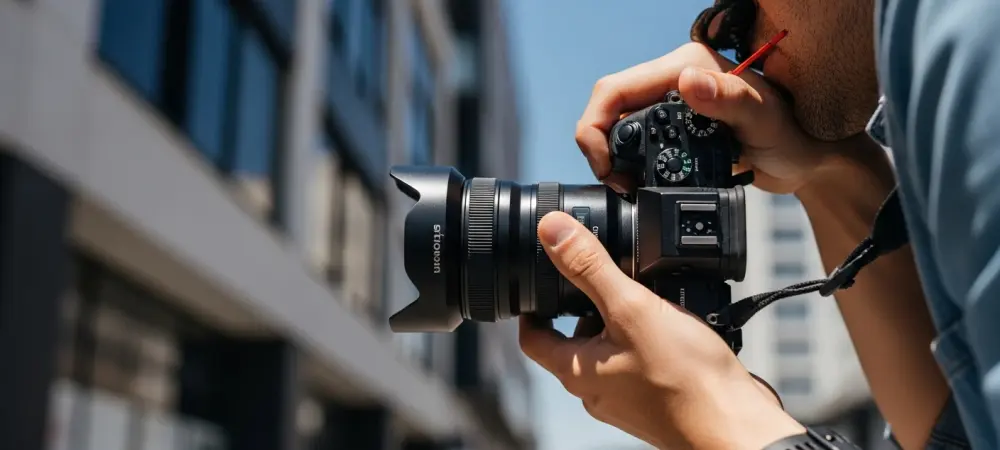
The relentless pace of innovation in digital imaging has just been redefined by a single product launch, creating a ripple effect that is reshaping consumer expectations and challenging established industry norms across the board. In the fiercely competitive mirrorless camera market, the arrival of the Sony A7 V has done more than just turn heads; its immediate and overwhelming success serves as a clear barometer for the technological currents that will guide the industry’s future. This analysis will deconstruct the A7 V’s rapid market capture, examine the technological leaps that propelled it to the top, and explore what its dominance signals for the next generation of photography and videography tools.
The Sony A7 V: A New Market Benchmark
Dominating Global Sales Charts
The commercial reception of the Sony A7 V has been nothing short of phenomenal, providing a potent indicator of where consumer priorities now lie. Almost immediately upon its release, the camera surged to the number one best-selling position at major international retailers, including Japan’s influential Yodobashi and the United States’ professional hub, B&H Photo. This achievement is particularly noteworthy given its premium positioning; a body-only price of $2,899 places it firmly outside the entry-level category, suggesting that a significant segment of the market is willing to invest heavily in tangible performance gains.
This rapid commercial success is not merely a sales figure but a powerful statement about market readiness. It demonstrates a robust and educated consumer base actively seeking next-generation features like advanced processing and superior efficiency. The statistics confirm that photographers and videographers are no longer just upgrading for more megapixels; they are prioritizing smarter, faster, and more versatile tools that fundamentally improve their creative workflow. The A7 V’s ability to command such market traction so quickly underscores a definitive shift toward valuing integrated, high-performance technology over incremental updates.
A Case Study in Technological Innovation
At the heart of the A7 V’s appeal is a suite of technological advancements that collectively set a new performance standard. A prime example is its 33-megapixel full-frame, partially stacked sensor. This innovative design not only produces stunningly detailed images but also delivers a class-leading 16 stops of dynamic range, giving creators unprecedented flexibility in post-production. Furthermore, this sensor architecture effectively resolves the notorious rolling shutter issues that plagued its predecessor, making it a far more capable tool for capturing fast-moving subjects and smooth video pans.
The camera’s performance-driven design extends beyond the sensor. It boasts a blistering continuous shooting speed of 30 frames per second, ensuring that crucial moments are never missed. However, the most significant leap forward lies in its processing. Sony has engineered a groundbreaking single-chip solution that manages both the sophisticated AI-powered autofocus and all general processing tasks. This integrated approach not only drives the camera’s remarkably intelligent subject tracking but also leads to superior battery efficiency, a critical differentiator for professionals working long days in the field.
Critical Acclaim and Industry Consensus
The A7 V’s market dominance is strongly supported by an overwhelming consensus among industry experts and reviewers. Its capabilities have earned it the top ranking in two of TechRadar’s most influential buying guides: “Best Camera for Photography” and “Best Mirrorless Camera.” This dual recognition from a leading authority solidifies its position not as a niche product but as a definitive all-around champion, reinforcing the trend that users are looking for a single device that excels in multiple areas.
This chorus of critical acclaim highlights a wider industry agreement that the Sony A7 V delivers a powerful, exceptionally well-rounded package for its price point. Experts consistently praise its appeal to “hybrid shooters”—creators who fluidly switch between high-end still photography and professional-grade video. Moreover, its seamless integration into the mature Sony E-mount lens ecosystem makes it an almost irresistible upgrade for existing Sony users and an incredibly compelling entry point for professionals considering a switch.
The Future of Hybrid Photography and Videography
The feature set of the Sony A7 V effectively establishes a new gold standard for hybrid cameras, masterfully blending elite photo and video capabilities without significant compromise. Its success sends a clear message to competitors: the market now demands this level of integration. In the coming months and years, rival manufacturers will likely need to accelerate their own research and development to match its sophisticated AI processing, lightning-fast autofocus performance, and remarkable power efficiency to remain competitive.
However, the camera is not without its minor drawbacks, which themselves point to further market segmentation. Its deep and complex menu system presents a steep learning curve for beginners, reinforcing its identity as a tool for serious enthusiasts and professionals. Additionally, its video specifications, while impressive, omit specialized features like open gate or 6K/8K recording, leaving a clear opening for more cinema-focused models. The broader implication is undeniable: the market is moving decisively toward single, powerful, and efficient devices that serve both photographers and videographers, forcing creators to choose between the ultimate all-in-one tool and highly specialized cinema rigs.
Conclusion: A New Era for Mirrorless Cameras
The immediate and resounding success of the Sony A7 V was defined by a perfect synthesis of record-breaking sales, unanimous critical acclaim, and truly next-generation technology. Its market performance confirmed a widespread demand for sophisticated, high-performance tools that streamline the creative process for both photography and videography. This camera was more than just a successful product; it became a benchmark that signaled a fundamental shift in the entire mirrorless industry. By delivering a new standard for performance, intelligence, and value, the A7 V has effectively compelled both consumers and competitors to adapt to a new era of hybrid imaging.