

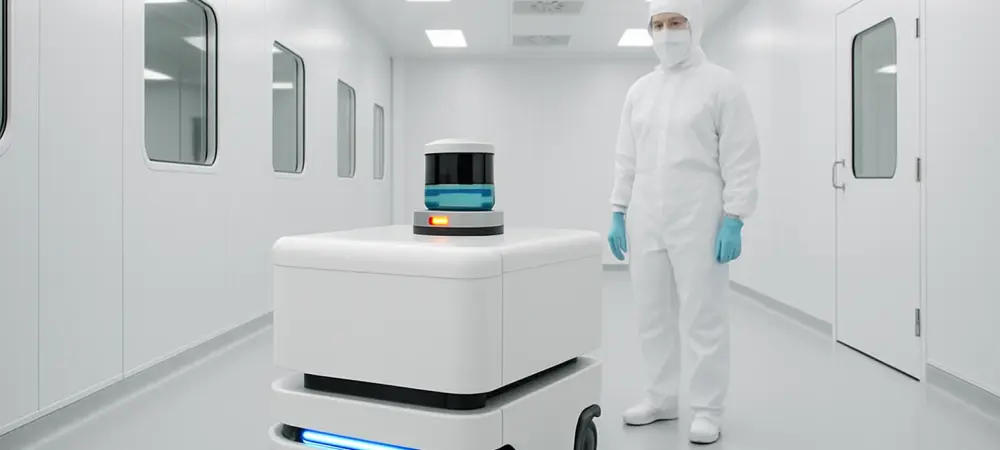
The necessity for advanced automation in cleanrooms becomes evident when examining sectors like semiconductor manufacturing, pharmaceuticals, and high-purity food processing, where precision and contamination control are paramount. With environments highly sensitive to pollutants, the integration of mobile robotics is not just advantageous but essential. As technology evolves, mobile robotics offer dynamic solutions that adapt to rapid industry changes, providing a transformative edge in maintaining cleanliness and operational efficiency.
Current Landscape of Mobile Robotics in Cleanrooms
Market Growth and Adoption Trends
The mobile robotics market in cleanrooms has witnessed significant growth, driven by increasing demand for precision and cleanliness. Recent statistics reveal acceleration, particularly in semiconductor and pharmaceutical sectors, where contamination risks are acute. Reports indicate that from 2025 to 2027, adoption rates could further increase, enhancing productivity while maintaining stringent environmental standards. Market dynamics demonstrate the escalating need for automation as industries seek consistent performance in sensitive conditions.
Real-World Applications and Innovations
Cleanroom environments are witnessing the rise of innovative mobile robotics like the KUKA KMR iisy CR, which stands out for its ISO Class 3 certification, ensuring high particulate cleanliness. This advancement signifies a leap in cleanroom automation technology. Companies such as KUKA are at the forefront, introducing systems that marry mobility with dexterity, perfect for navigating complex cleanroom tasks. The KMR iisy CR exemplifies how mobile robots seamlessly integrate across diverse cleanroom functions, enhancing versatility and adherence to purity standards.
Expert Insights on Mobile Robotics in Cleanrooms
Industry experts acknowledge the significance of mobile robotics, emphasizing its potential to revolutionize cleanroom operations. Experts suggest that integration poses challenges, primarily around maintaining consistent cleanliness while adapting to rapid technological changes. Forecasts highlight opportunities for robotics to reshape operational frameworks, introducing flexibility and efficiency. This sentiment underscores the potential for mobile robotics to drive transformative advancements, suggesting a prolific future for industry innovators willing to embrace this evolution.
Future Outlook for Mobile Robotics in Cleanrooms
Anticipated advancements in mobile robotics for cleanrooms focus on enhanced capabilities like AI-powered coordination, allowing seamless interaction between multiple units. Future developments are expected to strengthen benefits such as increased production agility and reduced human contamination risks. However, challenges remain, particularly concerning cost and regulatory compliance. Long-term, the trend toward mobile robotics might evolve, leading to innovations disrupting traditional cleanroom processes and setting new benchmarks for operational excellence.
Conclusion and Call to Action
Reflecting on the trend of mobile robotics in cleanrooms, this technology emerged as a pivotal force reshaping how industries manage contamination control and operational precision. With notable advancements like the KMR iisy CR, robotics transformed cleanroom environments, enhancing adaptability and efficiency. Moving forward, strategic investment and innovation in mobile robotics promise solutions that meet stringent cleanliness standards while promoting flexible operations. The era of advanced cleanroom automation encouraged collaborative efforts across sectors to harness these innovations, setting the groundwork for sophisticated and efficient production landscapes.