

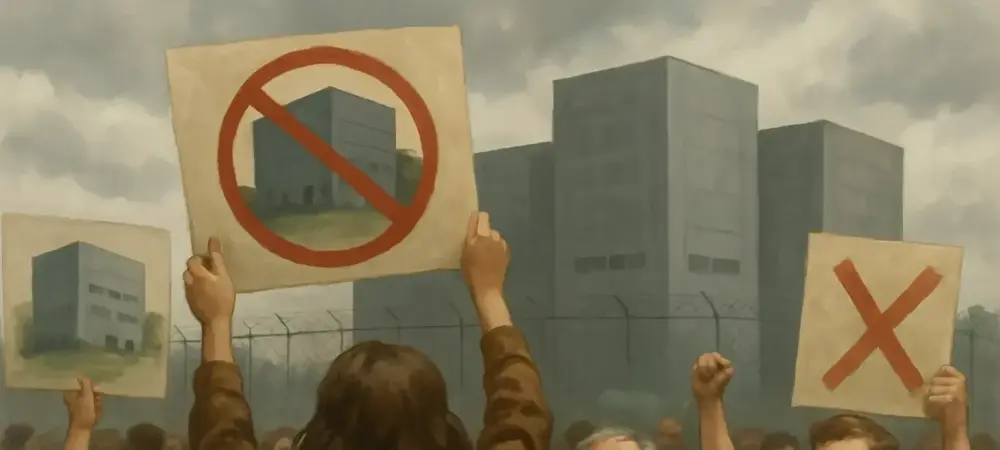
From the cloud to our communities, the physical backbone of the digital world is expanding at an unprecedented rate, sparking significant and increasingly sophisticated local resistance. This analysis examines the growing opposition to data center development, using the flashpoint conflict in Saline Township, Michigan, as a case study for a nationwide trend. It dissects how these grassroots movements evolve from local zoning disputes into high-stakes regulatory and political battles.
The Anatomy of a Modern Land Use Conflict
The Saline Township Standoff a Case Study
In Saline, Michigan, a proposal for a 250-acre, 1.4GW Stargate data center for clients OpenAI and Oracle was initially rejected by the township board. However, a developer lawsuit resulted in a legal settlement that forced the project’s approval. In response, community opposition strategically pivoted from the lost local zoning fight to a new battleground: the state-level Michigan Public Service Commission (MPSC).
A Growing National Pattern
The Saline conflict is not an isolated incident but a microcosm of a broader national trend. As the demand for AI and cloud computing fuels explosive data center growth, organized community resistance is rising in states like Virginia, Arizona, and Georgia. This surge in opposition directly contrasts with the rapid proliferation of tech infrastructure, creating a clear pattern of local pushback.
Escalation to a Political and Regulatory Showdown
Grassroots Organizing Meets State Politics
What began as a local concern in Saline quickly gained political momentum. Residents organized through online platforms, building a powerful coalition that transcended the township’s borders. Their efforts culminated in a significant political development when 23 Michigan State Representatives co-signed a letter to the MPSC, lending substantial legislative weight to their cause.
The Fight for a Contested Hearing
The battle is now focused on a critical regulatory juncture: the MPSC’s review of the “special contract” for electricity between the data center and utility DTE Electric. The opposition’s primary demand is for the MPSC to conduct a full “contested hearing” instead of a fast-tracked review, arguing it is essential to protect the public interest and allow ratepayers to challenge the project’s true costs.
Future Outlook and Broader Implications
Potential Impacts on Ratepayers and the Grid
At the heart of the opposition are tangible economic fears. Residents are concerned about potential electricity rate hikes for existing homes and businesses, which would effectively subsidize the massive energy consumption of a single corporate user. Moreover, the project raises serious questions about the strain on Michigan’s power grid and its alignment with state environmental goals.
The New Playbook for Development and Opposition
The outcome in Michigan could set a powerful precedent for how these disputes are handled nationwide. A victory for the opposition would create a new playbook for community groups, demonstrating the efficacy of escalating local fights to state regulatory bodies. Consequently, data center developers now face a more complex landscape requiring new strategies for community engagement beyond local zoning.
Conclusion Balancing Digital Progress with Public Interest
The Saline data center conflict evolved from a localized land-use dispute into a sophisticated, state-level political and regulatory fight, mirroring a national trend. The central tension between the demand for digital infrastructure and a community’s right to protect its economic and environmental interests became clear. Ultimately, this case highlighted the urgent need for more transparent and equitable processes that balanced technological advancement with the principles of public consent and oversight.