

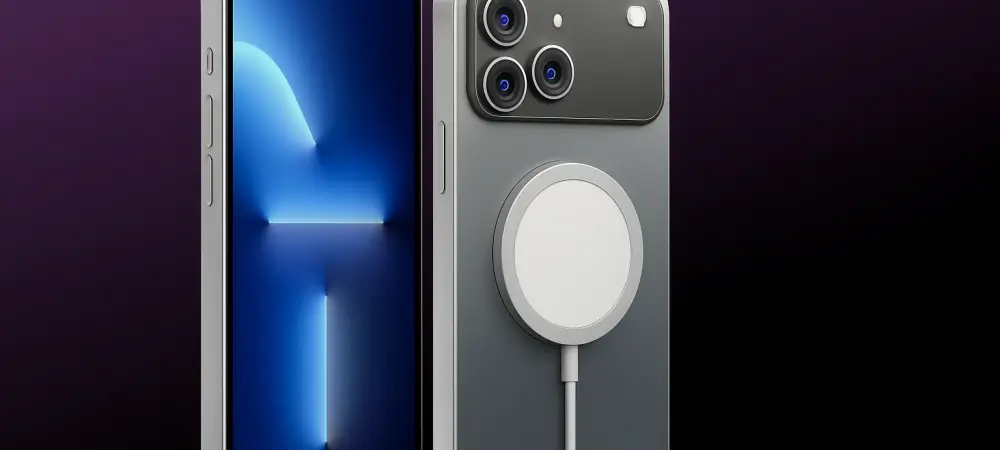
In an era where smartphones have become indispensable, the quest for faster and more efficient charging has never been more critical, and the buzz surrounding the iPhone 17 series is electrifying the tech world with its revolutionary capabilities. As daily routines hinge on staying connected, rapid charging technology is no longer a luxury but a necessity for keeping pace with demanding lifestyles. This analysis dives into the groundbreaking charging innovations of the iPhone 17 lineup, exploring the dynamic power adapter’s performance, compatibility hurdles, expert opinions on Apple’s ecosystem strategy, and the broader implications for the future of mobile technology.
Unveiling the iPhone 17 Charging Innovation
Charging Speed Metrics and Tech Integration
The iPhone 17 series, encompassing the standard, Pro, and Pro Max models, sets a new benchmark by achieving a 50% charge in just 20 minutes when paired with Apple’s 40W Dynamic Power Adapter, capable of a maximum output of 60W. This adapter leverages the Adjustable Voltage Source (AVS) variant of the USB-PD 3.2 standard, a technology currently exclusive to Apple’s proprietary hardware, aligning with the growing trend of customized power delivery systems in premium devices. Such advancements reflect an industry shift toward optimizing charging efficiency while prioritizing device safety.
Early testing data shared by Reddit user privaterbok provides a glimpse into the adapter’s capabilities, revealing a sustained 60W output for up to 18 minutes before stabilizing at 40W during charging cycles with compatible hardware. These metrics underscore the adapter’s ability to push boundaries in power delivery, even when not directly tested on the iPhone 17 due to its pre-order status as of this year. The performance stats highlight a significant leap in reducing downtime for users reliant on quick top-ups.
Practical Performance and Initial Findings
Beyond raw numbers, real-world testing by privaterbok showcases the adapter’s versatility, such as powering a MacBook Air at 60W despite its official 40W label, demonstrating Apple’s knack for exceeding expectations in cross-device functionality. Another intriguing result was observed with a docked Nintendo Switch 2, where the adapter enabled 4K output—a feature typically requiring robust power delivery—hinting at broader application potential. These examples illustrate how Apple’s design transcends typical charging limitations in select scenarios.
Thermal efficiency also stands out as a key strength, with the adapter reaching a peak temperature of only 62°C during intensive use, remarkable for Apple’s smallest mobile charger to date. This balance of power and heat management points to thoughtful engineering, ensuring safety without compromising on compact form factor. Such design considerations are crucial for users who prioritize portability alongside performance.
However, compatibility remains a sticking point, as multimeter analysis from privaterbok indicates limited support for other USB-C standards like PPS or Qualcomm Quick Charge 4.0. This constraint suggests that while the adapter excels within Apple’s ecosystem, its effectiveness diminishes with non-Apple devices or older charging protocols. These early findings reveal a trade-off between cutting-edge speed and universal adaptability.
Expert Perspectives on Apple’s Charging Strategy
Tech analysts have lauded Apple’s adoption of the AVS standard, noting that its focus on proprietary charging enhances performance and safety for iPhone 17 users by minimizing risks like overvoltage. Industry insiders point out that this tailored approach allows for precise power management, a critical factor in extending battery lifespan. Such benefits position Apple as a leader in controlled, high-efficiency charging environments.
Yet, concerns linger about reduced compatibility with third-party chargers and non-Apple devices, with experts highlighting the potential frustration for users accustomed to universal USB-C solutions. Some analysts argue that this exclusivity could alienate a segment of consumers who value flexibility over ecosystem integration. This tension between innovation and accessibility remains a hot topic in tech circles, as Apple’s choices ripple across user expectations.
Thought leaders also suggest that Apple’s tight grip on its charging ecosystem may reshape the accessory market, pushing third-party manufacturers to align with AVS or risk obsolescence. Commentary from industry observers indicates that this strategy reinforces brand loyalty but might limit consumer choice in the long run. The broader impact on market dynamics is a key area of focus as Apple continues to prioritize proprietary advancements.
The Future of Charging with Apple’s AVS Standard
Looking ahead, Apple’s dynamic charging technology could evolve further, with speculation about wider AVS adoption across future devices like iPads or even wearables, enhancing ecosystem cohesion. Improved thermal management techniques might also emerge, addressing heat dissipation in even more compact designs. These potential developments signal a trajectory of relentless refinement in power delivery for Apple users.
The benefits of faster, safer charging are undeniable for those within Apple’s walled garden, offering reduced wait times and peace of mind during intensive use. However, challenges persist, particularly with limited compatibility for non-Apple gear or legacy third-party power bricks, which may not support the same rapid charging speeds. This dichotomy underscores the need for users to weigh the perks of Apple’s innovation against the constraints of a closed system.
On a larger scale, Apple’s push toward proprietary standards like AVS could influence industry norms, potentially pressuring competitors to adopt similar bespoke technologies or risk falling behind in performance metrics. Consumer behavior might shift as well, with greater emphasis on brand-specific accessories over universal solutions. The competitive landscape in mobile tech stands to be reshaped by Apple’s bold direction, setting the stage for a new era of charging expectations.
Key Insights and Next Steps for iPhone Charging
The iPhone 17 series marks a pivotal moment with its unprecedented charging speeds, bolstered by the 40W Dynamic Power Adapter and AVS technology, while maintaining impressive thermal efficiency. Apple’s commitment to enhancing user experience within its ecosystem shines through, even as compatibility issues with diverse devices and third-party chargers pose notable hurdles. This balance of groundbreaking innovation and practical limitations defines the narrative around this launch.
Reflecting on the journey, the exploration of Apple’s charging advancements revealed a clear focus on speed and safety, though it came at the expense of universal accessibility. The insights gathered pointed to a future where ecosystem integration might dominate user priorities. As this trend unfolds, it becomes evident that Apple’s strategy prioritizes loyalists over broader compatibility.
Moving forward, staying informed about evolving charging technologies proves essential for navigating device choices in a rapidly changing landscape. Users are encouraged to evaluate how Apple’s direction aligns with their needs, particularly if relying on mixed-brand setups. Monitoring industry responses and potential standardizations over the coming years offers a pathway to adapt to these transformative shifts in mobile power solutions.