

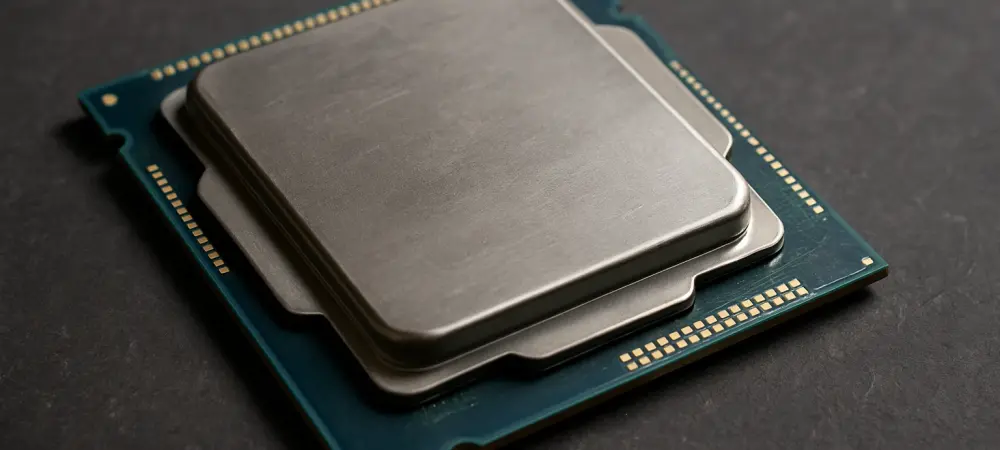
In the competitive landscape of computer processors, pricing strategies are pivotal, not merely as a means of boosting sales, but also as an indication of a company’s market position and response to competition. Intel, a longstanding leader in the CPU industry, has recently shifted its pricing strategy to position itself more strongly against competitors, notably AMD. The impetus behind this strategic adjustment arises from changes in consumer preferences, technological advancements by rivals, and the dynamic nature of the global market. This analysis delves into Intel’s current pricing tactics, market challenges, and future implications of its strategy, with an eye toward understanding how it might influence broader trends in the CPU industry.
Intel’s Pricing Strategy: An Overview
Market Dynamics and Sales Performance
Intel’s market strategy can be scrutinized by examining its recent sales performance and market dynamics. Over recent periods, Intel has encountered stiff competition from AMD, a company that has gained significant market share. Notably, AMD has surpassed Intel in high-value market segments, capturing consumer interest with its Ryzen series. Reports indicate that Intel’s market share has dwindled, as evidenced by the scarcity of Intel processors on Amazon’s top-10 best-seller list. This shift underscores the effectiveness of AMD’s pricing and performance offerings, compelling Intel to rethink its approach to maintain its competitive edge.
Real-World Applications and Product Bundles
To counterbalance AMD’s ascendancy, Intel has adopted a pricing model centered around offering incentives and bundles. The Intel Core Ultra 7 265K, for example, comes with an MSI water cooler and games at a significantly reduced price of $298. This approach is indicative of Intel’s effort to provide enhanced value propositions that appeal to consumers. Such bundles not only refresh Intel’s consumer appeal but also highlight the shift in focus towards cost-efficient performance. Comparatively, AMD’s Ryzen CPUs remain a preferred choice for high-end enthusiasts, emphasizing Intel’s need to bolster its strategy in value-enhanced offerings.
Expert Insights on Intel’s Market Challenges
Industry experts emphasize that Intel faces an uphill battle in restoring its former dominance in the market. Analysts note that Intel’s current value-focused pricing approach may only be a temporary patch unless it’s complemented by significant technological advancements. The notable decline in performance-to-price ratio in sectors like gaming signals a gap in Intel’s offerings. Thought leaders in technology management suggest that for Intel to recover its competitive stance, it must deliver significant product innovations. The broader consensus among professionals is that without innovative leapfrogging in performance technologies, Intel’s attempt to regain industry leadership might fall short.
Future Prospects and Market Implications
Looking ahead, Intel’s pricing strategy could shape the company’s market trajectory and influence trends across the CPU industry. As technological demands evolve, Intel’s strategy might need to pivot, bolstering innovation and increasing R&D efforts to meet these demands. There are potential benefits if Intel succeeds, such as regaining market presence and consumer trust, yet the challenges are substantial. Without breakthroughs in CPU performance, Intel risks reinforcing its position as a budget provider rather than a tech innovator. As this trend unfolds, the implications extend beyond Intel, potentially influencing pricing strategies industry-wide, as competitors respond to market shifts and consumer demands.
Conclusion
The key takeaways from Intel’s current pricing strategy illuminate the intricate balance required to navigate a fiercely competitive sector. While aggressive discounts and bundles have put Intel in a cost leadership position, the need for innovation remains paramount. As the CPU industry progresses, Intel’s challenge lies in maintaining this balance while preparing for future product advancements. Careful strategic planning and reinvestment in cutting-edge technology are essential for Intel to regain its former standing as an industry titan, providing significant innovations to attract discerning consumers.