

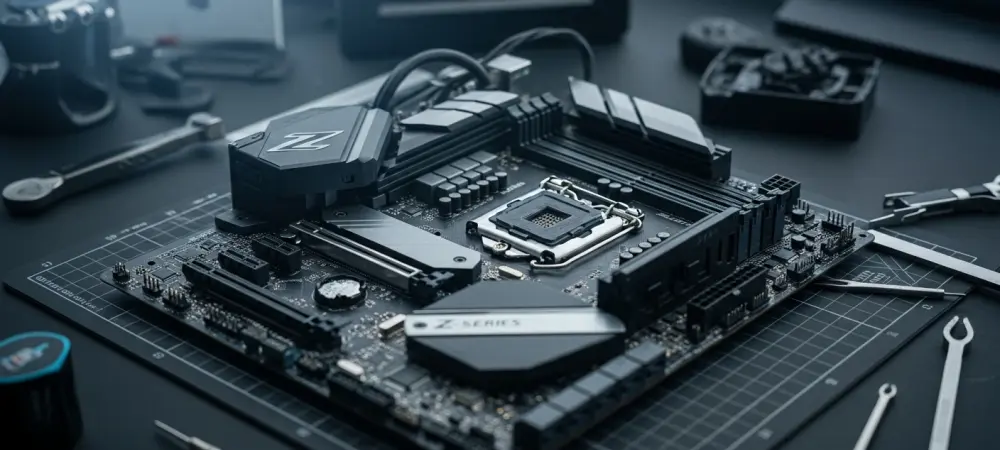
The recurring cost of a motherboard upgrade has long been viewed as a mandatory entry fee for anyone seeking to stay on the bleeding edge of Intel’s processor technology. For over a decade, PC enthusiasts have begrudgingly accepted the “tick-tock” socket cadence as an inevitable tax on performance, often finding their high-end hardware obsolete within twenty-four months. However, as hardware costs rise and sustainability becomes a primary consumer priority, the demand for platform stability has forced a fundamental shift in Intel’s engineering philosophy. This analysis explores the historical disparity between Intel and its rivals, the cultural shift within the leadership of the company, and the technical roadmap leading toward a more sustainable, multi-generational socket strategy that mirrors the longevity of competing ecosystems.
The Shift Toward Platform Stability
Data and Growth Trends in Socket Lifespans
Intel’s historical turnover rates have been a persistent point of contention within the hardware community for several cycles. Analyzing the rapid succession of the LGA 1151, 1200, 1700, and 1851 sockets reveals a pattern of short-lived compatibility that contrasts sharply with the stability seen in the competing AM4 and AM5 platforms. While the LGA 1700 socket technically supported three generations of processors, the final iteration was widely perceived as a minor refresh rather than a substantial architectural leap, leading to a sense of stagnation among early adopters who expected more from their initial investment. Statistical breakdowns of the total cost of ownership highlight a growing financial burden on Intel users, who have historically been forced to purchase new motherboards every two generations. This frequent replacement cycle not only inflates the cost of staying current but also contributes to electronic waste, an issue that modern consumers are increasingly sensitive to. Market trends now show a definitive preference among DIY builders for platforms that support at least three distinct architectural generations. This shift in sentiment has created a competitive vacuum that Intel must fill to prevent a further exodus of its most loyal enthusiast base.
Real-World Applications and the Competitive Landscape
The AM4 socket served as a monumental benchmark for the industry, supporting eight distinct CPU families from 2017 through the current period. By offering a single platform that could accommodate everything from budget chips to high-performance 3D V-Cache gaming processors, the competition set a high bar for consumer value and brand loyalty. This longevity allowed users to upgrade their processing power significantly without the labor-intensive and expensive process of rebuilding their entire system, a convenience that Intel users have rarely enjoyed.
In contrast, the current transition through the LGA 1851 socket, associated with the Arrow Lake and Core Ultra Series 2 chips, is being viewed as a necessary but short-term technical bridge. While it introduced critical advancements like the TSMC N3B node and Lion Cove architectures, it has primarily functioned as a precursor to more stable platforms. The upcoming adoption of the LGA 1954 socket is being positioned as Intel’s direct response to the longevity of the Ryzen ecosystem, designed specifically to capture the interest of enthusiasts who prioritize long-term hardware investments over rapid, incremental replacements.
Insights from Industry Leaders and Internal Cultural Shifts
This “New Intel” philosophy is largely attributed to a significant internal cultural transformation spearheaded by product management figures like Robert Hallock. Reflections on recent management decisions suggest an enthusiast-first mindset is now permeating the engineering teams, many of whom are themselves hardcore PC builders. This shift indicates that the company is no longer operating within a vacuum of corporate cycles but is instead becoming more responsive to the frustrations of the community. Hallock’s influence suggests that the goal is to align the silicon roadmap with the practical needs of the gaming and professional markets.
Engineering reality often clashes with consumer demand, as maintaining socket compatibility while transitioning to advanced nodes and implementing 3D V-Cache-like technologies presents immense technical hurdles. Expert opinions highlight the difficulty of managing power delivery and thermal constraints when a single socket must support several years of radical architectural changes. However, industry veterans argue that these leaps, such as the transition to the Nova Lake platform, require a more stable motherboard foundation to remain competitive. Without a consistent platform, even the most impressive architectural gains can be overshadowed by the logistical headache of a mandatory motherboard swap.
The Future of the LGA 1954 Ecosystem
The Nova Lake turning point is expected to define a new era for the company with the introduction of the Core Ultra 400 series. This architecture is projected to bring massive core count increases, potentially reaching 52 cores and threads on flagship models, while utilizing the highly anticipated Coyote Cove and Arctic Wolf designs. By establishing the LGA 1954 socket as the home for these advancements, Intel is creating a foundation that can sustain multiple years of growth. This move is intended to reassure builders that their high-end Z-series motherboards will not become paperweights after a single upgrade cycle. A robust five-year roadmap suggests that subsequent releases, including Razer Lake in 2027 and Titan Lake in 2028, will likely remain on this singular platform. There is even potential for Hammer Lake to serve as a final high-performance iteration in 2029 before a major industry shift occurs. This strategy allows Intel to synchronize its socket longevity with the lifespans of DDR5 memory and PCIe 5.0 interfaces. By the time the industry is ready to move toward DDR6 and PCIe 6.0 in the early 2030s, the LGA 1954 platform will have provided a full half-decade of service, matching the legendary endurance of the most successful platforms in history.
Summary and Final Outlook
The transition away from rigid corporate cycles reflected a broader move toward a user-centric model that prioritized long-term motherboard value. Intel’s strategic pivot underscored the reality that the LGA 1954 socket functioned as a definitive “AM4 moment,” successfully regaining the trust of the enthusiast community. This evolution was not merely about technical specifications but about a fundamental change in how the company interacted with its customers. The focus shifted from frequent, forced upgrades to providing a reliable path for performance scaling over several years of architectural progress.
Decision-makers realized that the socket war was no longer won by the sheer frequency of releases, but by the platform that offered the most enduring path to the future. This shift in strategy ensured that sustainability and investment protection became the new gold standards for high-performance computing. As builders looked toward the next decade, the stability of the motherboard became as critical as the speed of the processor itself. Ultimately, the industry moved toward an era where the value of a system was measured by its longevity, proving that a more stable ecosystem benefited both the manufacturer and the end-user.