

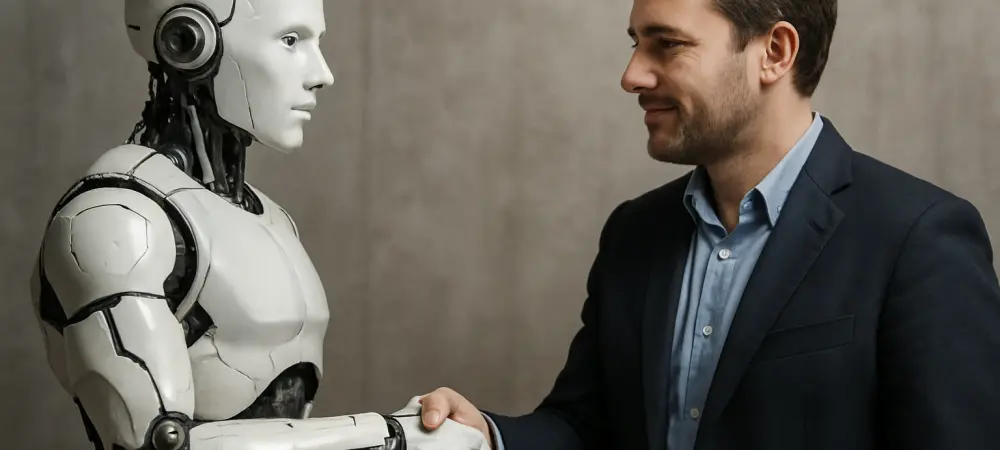
In a world increasingly shaped by technology, a surprising statistic reveals a deep-rooted preference among professionals: 43% prioritize advice from trusted colleagues and networks over AI tools or search engines when navigating workplace challenges. This striking insight underscores a fundamental truth in today’s fast-paced professional landscape—trust remains a cornerstone of decision-making, even as artificial intelligence reshapes industries at an unprecedented pace. The tension between human connection and technological innovation is more relevant than ever, influencing how decisions are made and relationships are built. This analysis delves into the enduring value of human networks, explores the hurdles of AI adoption, examines shifts in marketing strategies, incorporates expert perspectives, and considers the future implications of this trend in professional and business environments.
The Preference for Human Connections in Professional Advice
Data Insights on Trust in Networks
A comprehensive global survey of 19,268 professionals and 7,000 B2B marketers across 14 countries highlights a clear inclination toward human networks for workplace guidance. Notably, 43% of respondents turn to colleagues and professional connections as their primary source of advice, surpassing reliance on digital alternatives like AI or search engines. This preference reflects a deep trust in personal relationships over algorithmic outputs when addressing complex or nuanced challenges.
Further data reinforces this trend, with 64% of professionals reporting that input from peers significantly improves both the speed and quality of their decision-making processes. This statistic points to the efficiency and reliability of human insights in dynamic work settings. Additionally, an 82% surge in social media posts seeking human perspectives during times of uncertainty illustrates a growing demand for authentic, relatable advice amid rapid change.
The scope of this research, spanning diverse geographies and industries, lends substantial credibility to these findings. The global traction of this trend suggests that the value placed on human networks transcends cultural and professional boundaries, positioning personal connections as a universal asset in decision-making frameworks.
Real-World Examples of Network Reliance
Across various sectors, professionals consistently lean on personal connections during pivotal moments, such as strategizing for major projects or contemplating career transitions. Anecdotal evidence reveals that individuals often seek out trusted peers for candid feedback and tailored advice that generic tools struggle to provide. These interactions offer a sense of reassurance and context that technology cannot fully emulate.
In high-pressure scenarios, such as negotiating critical deals or resolving team conflicts, networks provide not only practical solutions but also emotional support. For instance, a project manager might turn to a seasoned colleague for insights on stakeholder dynamics, gaining nuanced perspectives that no algorithm can replicate. This human element proves invaluable in fostering confidence and clarity.
Such examples underscore the irreplaceable role of personal bonds in professional settings. While technology can streamline processes, the empathy and shared experience inherent in human interactions remain unmatched, particularly when navigating uncharted or emotionally charged situations.
Challenges and Perceptions of AI Adoption in the Workplace
Stress and Apprehension Around AI Skills
Despite the buzz surrounding AI, many professionals face significant stress when adapting to these tools. Survey results indicate that 51% feel that mastering AI skills is akin to taking on a second job, highlighting the burden of continuous learning in an already demanding work environment. This sentiment reveals a gap between technological advancement and user readiness.
Moreover, 33% of respondents admit to feeling embarrassed by their limited AI knowledge, while 35% experience nervousness during workplace discussions about the technology. These emotional barriers compound the challenge, with 41% noting negative impacts on their well-being due to the rapid pace of AI developments. Generational divides also emerge, as younger Gen Z professionals often overstate their proficiency compared to their Gen X counterparts.
This apprehension signals a broader need for supportive frameworks to ease the transition into AI-driven workflows. Without adequate training or cultural acceptance, the integration of such tools risks alienating segments of the workforce, potentially hindering productivity and morale.
AI’s Limitations Compared to Human Insight
A compelling 75% of younger professionals assert that AI cannot match the intuition and depth of insight offered by trusted colleagues, especially in high-stakes decisions. This belief underscores a critical limitation of technology—its inability to grasp the subtleties of human emotion and context in professional dilemmas. AI may excel in data processing, but it often falls short in interpreting unspoken cues.
Consider scenarios like mentoring a new employee or resolving ethical dilemmas in business strategy. In these cases, human judgment, shaped by experience and empathy, provides a level of guidance that automated systems struggle to achieve. Professionals value the nuanced advice of peers who understand the intricacies of their specific challenges over generic, data-driven recommendations.
This perspective reinforces the importance of maintaining a balance between technological tools and personal relationships. While AI can enhance efficiency, it cannot fully replace the depth of human connection, particularly when trust and intuition are paramount in decision-making.
Marketing Shifts Toward Community-Driven Strategies
The Rise of Social Discovery in B2B Buying
In the realm of B2B marketing, a notable shift is occurring as 71% of buyers, primarily Millennials and Gen Z, rely on professional networks alongside company channels to inform their purchasing decisions. Additionally, 77% of marketing leaders recognize the growing influence of these networks in shaping buyer behavior, marking a departure from traditional marketing avenues.
Social discovery is emerging as a powerful force, rivaling conventional methods like search engine optimization and paid advertisements. Buyers increasingly validate content through online communities and peer discussions before engaging directly with a company’s website, prioritizing credibility and shared experiences over polished brand messaging.
This trend highlights a fundamental change in how trust is established in B2B transactions. As younger demographics dominate the buyer pool, marketers must adapt by fostering genuine engagement within professional circles, ensuring that content resonates through authentic, community-driven validation.
Investment in Trusted Voices
To capitalize on this shift, 80% of marketers plan to increase spending on content featuring trusted creators, employees, and industry experts. This strategic focus aims to build credibility with younger audiences who value authenticity over generic advertising. Leveraging recognizable voices enhances a brand’s relatability and trustworthiness.
For example, a tech firm might collaborate with respected industry figures to produce insightful webinars or thought leadership pieces, shared within relevant professional communities. Such initiatives not only elevate brand visibility but also encourage meaningful dialogue among potential buyers, fostering a sense of connection that transcends traditional marketing tactics.
This investment in human-centric content reflects a broader recognition of the power of personal influence in modern marketing. By prioritizing voices that resonate with target audiences, companies can cultivate stronger ties and drive engagement in an increasingly competitive digital landscape.
Expert Perspectives on Balancing AI and Human Trust
Insights from extensive research reveal a consensus that while AI offers undeniable utility in streamlining tasks, it cannot substitute for human judgment and relationships in professional contexts. Experts emphasize that technology should serve as a complement to, rather than a replacement for, the personal insights and trust that underpin workplace dynamics.
There is a strong call for authenticity in both professional interactions and marketing efforts. Balancing AI’s capabilities with human touchpoints is seen as essential to maintaining meaningful connections. This hybrid approach ensures that efficiency gains from technology do not come at the expense of the emotional intelligence that human networks provide.
The challenge lies in integrating AI without eroding the personal elements that professionals and buyers value most. Thought leaders advocate for frameworks that prioritize user comfort and trust, ensuring that technological adoption enhances rather than disrupts the relational fabric of professional environments.
Future Implications of Human Networks in a Tech-Driven World
As AI tools grow more sophisticated, the preference for human networks might deepen, driven by a need for authentic connections amid pervasive automation. Professionals may increasingly seek out personal interactions to counterbalance the impersonal nature of technology, reinforcing the role of trust in collaborative settings.
This trend could yield benefits like stronger workplace collaboration and more resilient professional communities, but it also poses challenges, such as the ongoing stress of upskilling to keep pace with innovation. Businesses may need to invest in training and support systems to mitigate these pressures, ensuring that employees feel equipped to navigate a hybrid landscape.
Across industries, the emphasis on community engagement and expert-led content is likely to intensify, as companies recognize the limitations of purely technological solutions. This shift could redefine success metrics, prioritizing relational impact over algorithmic efficiency in both professional and marketing spheres.
Conclusion: Embracing Trust in an AI Era
Looking back, the analysis highlighted a profound preference for human networks over AI among professionals, alongside notable struggles with technology adoption and a marked pivot to community-driven marketing strategies. The data and insights painted a picture of a workforce and marketplace grappling with rapid change yet clinging to the irreplaceable value of personal trust.
Moving forward, the focus should be on actionable strategies that blend the best of both worlds—leveraging AI for efficiency while nurturing genuine relationships to sustain trust. Professionals and marketers alike must commit to fostering authentic connections, using technology as a supportive tool rather than a standalone solution. This balanced approach promises to shape a future where human insight and innovation coexist harmoniously, inviting reflection on how to prioritize meaningful engagement in an ever-evolving digital age.