

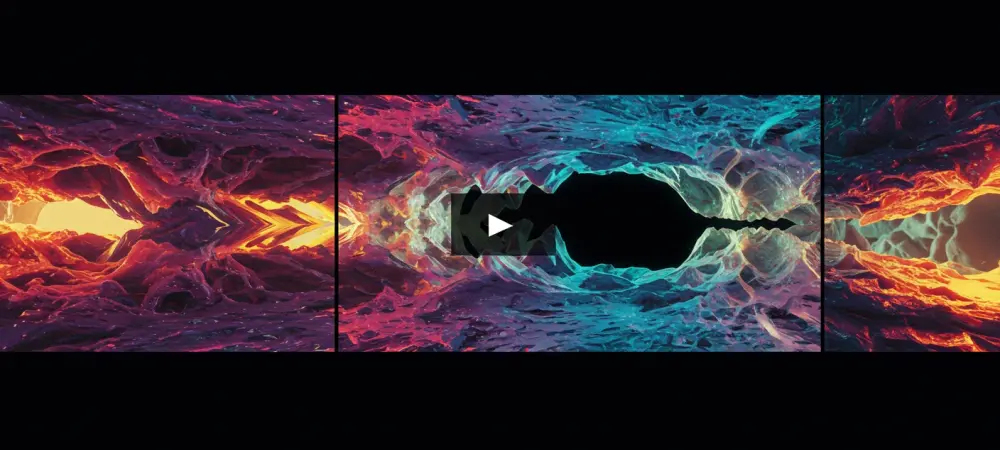
Generative AI is transforming videography, ushering in a new era of creativity and efficiency for filmmakers and content creators. In today’s dynamic technological landscape, AI-driven tools are rapidly becoming indispensable for the videography sector, offering the potential to revolutionize how visual stories are crafted and shared. As AI technology evolves, it unlocks unprecedented creative possibilities, empowering professionals to push the boundaries of what’s possible in visual media.
Evolution and Adoption of Generative AI in Videography
Market Growth and Technological Advancements
The growth trajectory of generative AI in videography is on a sharp incline, reflecting both technological advancements and increasing adoption. Data suggests a significant surge in AI integration within the industry, driven by innovations that streamline production processes and enhance creative output. Several industry reports highlight a growing number of companies incorporating AI to optimize workflows, reduce costs, and enhance creative capabilities. This burgeoning interest is supported by continuous improvements in AI technologies, propelling the sector toward broader and deeper applications.
Real-world Applications and Industry Innovations
Generative AI’s impact on videography is tangible and far-reaching, with numerous applications already revolutionizing industry practices. Notable case studies illustrate how AI tools are being leveraged in video editing, visual effects, and content generation, significantly reducing production timelines while enhancing creative quality. Companies like Adobe are spearheading these innovations, with their Firefly platform offering advanced AI capabilities. Collaborations like Adobe’s partnership with Moonvalley, which integrates high-definition AI video models such as Marey into production processes, exemplify the creative and technological strides being made.
Expert Perspectives on Generative AI in Videography
Industry experts recognize the transformative potential of generative AI, noting both opportunities and challenges. Acclaimed professionals emphasize the necessity of balancing technological innovation with ethical considerations, especially regarding copyright and creators’ rights. The consensus is that AI will continue to shape the future of videography, driving efficiencies and enabling a more flexible creative landscape. Thought leaders highlight the potential for AI to democratize content creation, offering tools that empower novice creators while also enriching the capabilities of seasoned professionals.
Future Outlook and Implications of Generative AI
Looking ahead, projections for generative AI in videography hint at continued advancements and emerging innovations. These developments are expected to further enhance creative efficiencies, offering more sophisticated tools for content creation and editing. While the positive impacts are clear, potential drawbacks, such as ethical challenges and legal complexities related to copyright, warrant careful consideration. The implications for related industries are significant, as AI-driven technologies may reshape distribution models and consumer engagement strategies. The integration of AI into videography suggests a broader evolutionary path for media industries, marked by both disruptive change and new opportunities.
Conclusion and Call to Action
The generative AI trend in videography has already become a cornerstone of modern content creation, delivering unprecedented creative possibilities and operational efficiencies. As this trend progresses, the emphasis on ethical development and the integration of AI becomes increasingly important. Industry stakeholders are encouraged to approach AI implementation conscientiously, fostering environments where AI’s potential is realized responsibly, ensuring both technological advancement and the protection of creators’ rights. By embracing the evolution of generative AI, professionals can position themselves at the forefront of innovation, ready to harness the full power of AI to redefine visual storytelling.