

The rapid proliferation of generative AI tools has unexpectedly created a significant hurdle for creators, who now find themselves navigating a complex and disconnected digital landscape where they must constantly switch between platforms to complete a single project. This fragmentation leads to disjointed creative processes, inefficient workflows, and accumulating hidden costs. As the number of specialized AI models for image, video, and audio generation continues to multiply, the market’s focus is shifting. The ultimate value is no longer found in the supremacy of a single model but in platforms that elegantly unify these disparate tools into a single, seamless creative journey. This analysis will explore the rise of generative AI aggregators, examine the market forces driving this trend with real-world data, showcase a practical case study with Nano-Banana.io, and project the future of integrated AI creativity.
The Rise of Aggregators in a Fragmented AI Market
Data and Driving Forces Behind the Trend
The generative AI market has expanded at an unprecedented rate, with industry reports indicating a more than 400% increase in specialized tools since 2024. This explosion has led to a highly fragmented ecosystem where creative professionals often rely on five or more distinct platforms to move a project from concept to completion. This constant platform-switching creates significant friction, consuming valuable time and disrupting the creative flow, which has become a primary pain point for users across industries.
In response to this growing challenge, a clear market demand has emerged for unified solutions. A recent survey by the Global Creative Professionals Guild found that an overwhelming 78% of respondents would invest in a single platform that consolidates their most-used AI tools. This sentiment underscores a pivotal shift in user priorities. The initial excitement over individual model capabilities is giving way to a more pragmatic need for efficiency and productivity, establishing “workflow continuity” as a key market driver. Consequently, development is moving beyond single-model platforms and toward integrated ecosystems that mirror how professionals actually work.
The Aggregator Model in Action A Case Study of Nano Banana io
Nano-Banana.io exemplifies this trend, positioning itself not merely as another AI tool but as a “creative operating system” or “super-aggregator.” By integrating a diverse suite of leading models—including Sora 2 for cinematic video, Veo 3.1 for high-definition output, Gemini 3 Pro for commercial-grade visuals, and Flux 2 Pro for artistic depth—it provides users with a comprehensive creative hub. This model-agnostic approach allows creators to select the best tool for a specific task, rather than being locked into a single provider’s ecosystem, fundamentally changing the user experience from fragmented to fluid.
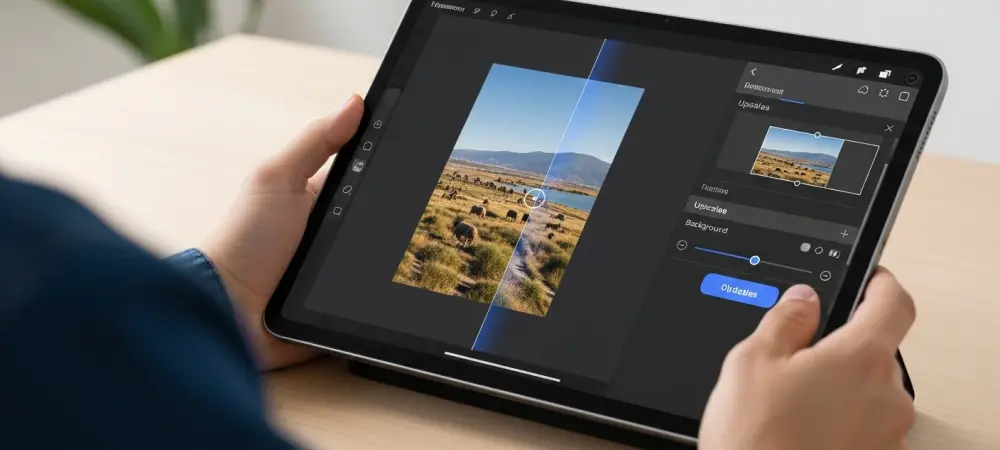
The platform’s design is centered on a practical, workflow-oriented structure that directly addresses the market’s pain points. Its multi-model image generation layer allows users to choose between realism and artistic style on demand. This is complemented by a suite of integrated AI editing tools, such as an advanced upscaler, a background remover, and an inpainting editor, which eliminate the need for external software. Crucially, its core image-to-video pipeline empowers creators to transform static visuals into dynamic motion stories without ever leaving the dashboard. This unified environment is proving invaluable for marketing teams seeking to accelerate content production, independent designers streamlining their toolsets, and solo creators looking to reduce operational overhead.
Expert Insights A Shift from Model Centric to Workflow Centric Value
Industry analysts and creators alike are observing a definitive shift in the market, where practical efficiency is beginning to trump brand loyalty to any single AI model. As the novelty of generative technology wears off, users are becoming more discerning, prioritizing platforms that deliver tangible results and reduce creative friction. The focus has moved from the technical specifications of a model to the overall productivity gains offered by the platform that houses it. This user-driven evolution reflects a market that is rapidly maturing beyond isolated technological marvels and toward integrated, problem-solving solutions.
This change in mindset is perfectly captured by the sentiment of many creative professionals. One independent designer noted, “I don’t care which model is better. I care about which tool helps me finish my project faster.” This quote highlights a crucial turning point: the perceived value is no longer in the engine but in the vehicle that gets you to your destination. The market is rewarding platforms that understand the creative process is a journey, not a series of disconnected tasks. As a result, users are increasingly choosing platforms that offer a smooth, end-to-end experience over those that simply boast the “best” but isolated model.
Future Outlook The Evolution of AI Creative Ecosystems
Looking ahead, the trend toward aggregation is set to accelerate, leading to the emergence of even more sophisticated “creative operating systems.” These future platforms will likely integrate an even wider array of specialized AI tools, expanding beyond image and video to include 3D asset generation, advanced audio synthesis, and even code assistance for interactive projects. This evolution will further blur the lines between different creative disciplines, enabling a single creator to manage multifaceted projects from within one cohesive environment. The ultimate goal will be to create a digital studio where every necessary tool is not only available but also seamlessly interconnected.
This consolidation of creative power into single platforms promises significant benefits, chief among them the democratization of advanced capabilities. Small teams and solo creators will gain access to a formidable arsenal of top-tier AI models at a fraction of the cost of subscribing to multiple specialized services, leveling the playing field with larger corporations. Moreover, the streamlined workflows offered by these ecosystems will drastically accelerate production cycles across industries, from marketing and entertainment to education and product design.
However, this future is not without its challenges. The technical complexity of maintaining stable API integrations with dozens of rapidly evolving AI models will be a significant operational hurdle for aggregator platforms. There is also the risk of new platform monopolies forming, where a few dominant aggregators could control access to the broader AI tool market. Ensuring consistent quality and a coherent user experience across a diverse range of third-party models will be another critical challenge. For the creative industry, the rise of aggregators poses a direct challenge to traditional software suites, empowering a new generation of creators to produce high-quality content with unprecedented speed and autonomy.
Conclusion The Aggregator as the New Creative Standard
The analysis revealed that severe market fragmentation directly fueled the rise of generative AI aggregators. Platforms such as Nano-Banana.io demonstrated the significant advantages of an integrated, workflow-first approach, which shifted user focus from individual model capabilities to holistic project completion. This trend represented the next logical phase in the evolution of AI creativity, marking a transition from isolated, competitive tools to collaborative, interconnected ecosystems. Ultimately, the evidence suggested that the future of digital creation belonged not to the single most powerful model, but to the platforms that masterfully transformed a disparate collection of powerful tools into a single, intuitive, and unified creative system.