

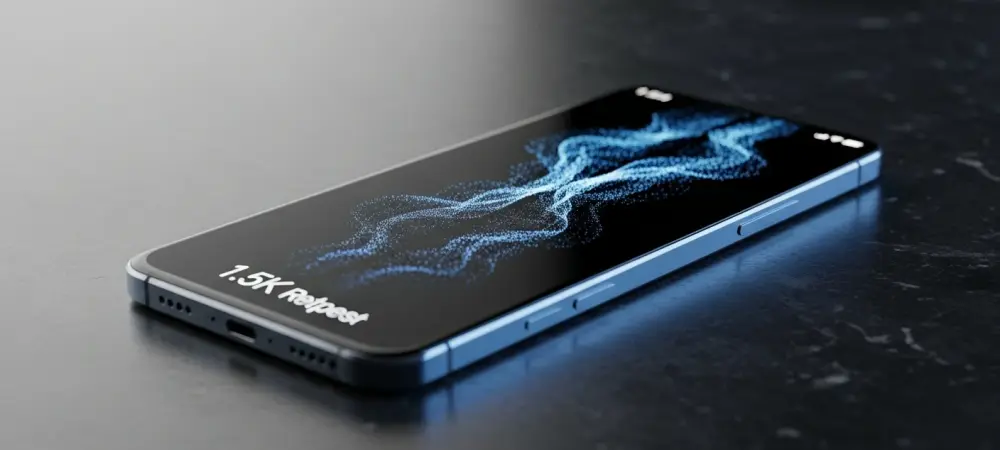
High-resolution screens are no longer just a luxury feature; they have transformed into the definitive battleground where the world’s leading technology giants compete for ultimate consumer dominance. As hardware specifications reach a plateau in other categories, the visual interface has emerged as the primary differentiator for premium devices. This shift signals a new era where screen fluidity defines the perceived quality of the user experience. Today, the focus moves toward ultra-high refresh rates and the integration of next-generation silicon to manage demanding visuals.
Analyzing the Shift toward Ultra-High Refresh Rates and Visual Precision
Market Trends in Display Fluidity and Panel Adoption
The move from the standard 120Hz refresh rate toward higher benchmarks like 185Hz reflects a pursuit of extreme motion clarity. While 240Hz remains a niche reserved for desktop monitors, the mobile industry has identified 1.5K AMOLED as the ideal resolution for balancing sharpness with power consumption. Partnerships with manufacturers like BOE are driving these advancements, ensuring color reproduction meets the rigorous demands of modern HDR content.
Case Study: The OnePlus 16 Display and Processing Paradigm
The OnePlus 16 exemplifies this trend with a rumored 6.78-inch panel, pushing the boundaries of what consumers expect from a high-end device. By adopting a 185Hz refresh rate, it bridges the gap between traditional flagships and specialized gaming phones. Supported by the Snapdragon 8 Elite Gen 6, the device handles the massive data throughput required for high-frequency displays. Moreover, sub-1mm bezels create a nearly borderless aesthetic that enhances total user immersion.
Industry Perspectives on Performance vs. Hardware Longevity
Experts suggest that capping refresh rates at 185Hz rather than chasing 240Hz is a strategic move to protect the long-term integrity of organic materials. Extreme frequencies can cause premature pixel degradation and excessive heat within the chassis. Consequently, manufacturers are prioritizing efficiency over raw speed to ensure long-term reliability. This balance between performance and durability has become a hallmark of sophisticated engineering in the competitive mobile market.
The Future of Immersive Mobile Experiences and Hardware Efficiency
The path forward involves the total elimination of borders via all-screen designs with under-display sensors. Artificial intelligence will play a vital role in this evolution by dynamically adjusting refresh rates based on content to maximize battery health. These innovations will eventually migrate to wearables and augmented reality devices. However, the industry must eventually confront diminishing returns as human perception limits the practical benefits of ever-higher frequencies.
Conclusion: The New Standard for Flagship Excellence
The industry recognized that the shift toward 185Hz displays and borderless hardware represented a significant milestone in mobile design. Manufacturers successfully balanced extreme performance with practical durability, ensuring that visual fluidity did not sacrifice device longevity. This strategic evolution reset consumer expectations, positioning high-frequency displays as an essential requirement for premium status. Ultimately, these advancements paved the way for a more immersive and efficient digital future.