

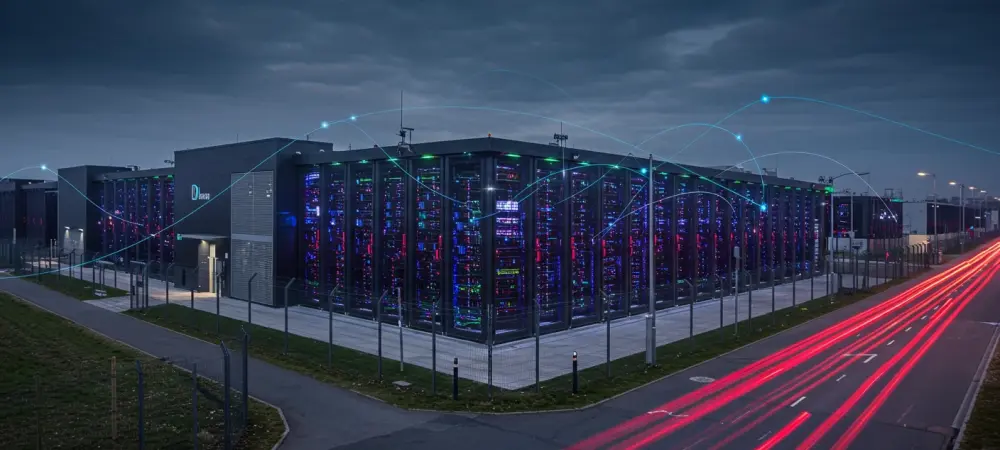
The Netherlands has swiftly risen to prominence as a linchpin in Europe’s digital infrastructure, often hailed as the continent’s data hub due to its unparalleled connectivity and innovative practices. With an intricate network of submarine cables and a strategic location that serves as a gateway to global markets, this small nation handles a staggering volume of data traffic daily. This remarkable ascent prompts a critical examination of what fuels such dominance in the digital realm. This analysis delves into the core drivers behind the Dutch data center market’s expansion, exploring key metrics, regulatory shifts, technological advancements, and the future landscape of this vital sector, while highlighting its role in global digital transformation and sustainability efforts.
Market Overview and Key Growth Metrics
Rising Market Value and Consistent Growth
The Dutch data center market stands as a powerhouse, with its value projected to grow from $6.42 billion currently to $9.02 billion by 2030, reflecting a robust compound annual growth rate of 7.04%. This upward trajectory underscores the sector’s pivotal role in bolstering Europe’s digital economy amid rising demand for cloud services and data storage solutions. Beyond mere numbers, the economic ripple effect is profound, as the industry directly supports 11,000 jobs while underpinning 2.1 million positions in the broader digital ecosystem. These figures illustrate the sector’s significance as a cornerstone of employment and innovation across multiple industries.
Industry forecasts from reputable sources further validate this momentum, positioning the Netherlands as a frontrunner in Europe’s data center landscape. Such steady expansion signals not only market confidence but also the nation’s capacity to meet escalating digital needs without faltering.
Strategic Advantages in Efficiency and Sustainability
Despite occupying a mere 0.3% of industrial land, equivalent to 239 hectares, Dutch data centers manage an exponential surge in data processing with remarkably stable electricity consumption over recent years. This efficiency highlights a unique ability to scale operations without proportional increases in resource use, setting a high standard for infrastructure management. A standout feature is the commitment to sustainability, with 90% of energy sourced from renewable initiatives. This green focus not only mitigates environmental impact but also positions the Netherlands as a model for eco-conscious digital growth, earning admiration across global markets.
This blend of efficiency and sustainability facilitates expansion without triggering significant ecological backlash, enabling seamless integration of new facilities. For instance, data centers can support burgeoning technologies while maintaining a minimal footprint, a balance that few regions achieve with such finesse.
Regulatory Shifts Steering Innovation
New Policies Shaping Infrastructure Development
Since early 2024, regulatory changes have redefined the landscape for data center construction in the Netherlands, restricting hyperscale facilities to specific zones like Eemshaven and Agriport A7. These measures aim to manage growth strategically, ensuring alignment with national infrastructure goals.
In Amsterdam, a notable cap limits new developments exceeding 670 MVA unless they fulfill local demands without overburdening the electrical grid. This policy reflects a deliberate effort to balance urban expansion with resource availability, preventing potential strain on critical systems.
Far from curbing progress, these regulations pivot the industry toward distributed infrastructure models. By channeling development into designated areas, policymakers foster innovation in smaller, more agile setups that cater to emerging needs while maintaining systemic stability.
Real-World Impact on Operational Strategies
These regulatory frameworks dovetail with the rising prominence of edge computing, which addresses the need for low-latency processing in technologies like IoT, smart cities, and real-time AI applications. Such alignment ensures that infrastructure evolves in tandem with cutting-edge demands.
Industries such as financial services, manufacturing, and content delivery reap substantial benefits from this shift. For example, Netflix leverages Amsterdam’s robust ecosystem to streamline content distribution, relying on localized data processing to enhance user experience across Europe.
Major corporations, including Tesla and Oracle, have adapted adeptly to these guidelines, integrating their operations within the new spatial and energy constraints. Their ability to thrive under such conditions exemplifies how regulation can spur rather than stifle strategic innovation in the sector.
Technological Trends and Industry Insights
The Dutch approach to data center management garners acclaim at global forums like the Data Centre Expo in Amsterdam, where it is often cited as a benchmark for sustainable design and governance. Discussions at these events highlight the nation’s knack for blending environmental stewardship with technological prowess.
Expert voices at such gatherings emphasize the growing importance of edge computing and hybrid cloud operations, alongside a heightened focus on cybersecurity. These elements are seen as critical to future-proofing infrastructure against evolving digital threats and demands for seamless integration.
Continuous adaptation remains paramount, with an increasing emphasis on threat detection and secure frameworks. As data breaches become more sophisticated, the consensus is that robust cybersecurity measures must underpin every facet of data center evolution to safeguard sensitive operations.
Future Outlook for Dutch Data Centers
Looking ahead, the shift toward edge computing and distributed facilities emerges as a defining trend, catering to the modern imperative for localized, low-latency data processing. This transition promises to reshape how data is handled across diverse sectors, prioritizing proximity and speed. Significant investments, including $2.89 billion allocated for network infrastructure this year, signal strong commitment to expansion. Future diversification into DevOps platforms and secure solutions is anticipated, reflecting a broader vision to address multifaceted digital challenges.
Yet, hurdles loom, particularly in upskilling the workforce for AI workloads and hybrid cloud management. Overcoming these gaps, alongside maintaining a delicate balance between sustainability and regulatory demands, will be crucial for the Netherlands to sustain its global influence, offering lessons for other markets navigating similar paths.
Conclusion and Key Takeaways
Reflecting on the journey, the Dutch data center sector’s growth was propelled by a unique synergy of efficiency, sustainability, regulatory foresight, and technological agility. These elements combined to establish the Netherlands as a formidable leader in digital infrastructure, setting a high bar for others to follow.
Looking back, the strategic pivot toward distributed systems and green energy marked a turning point that others studied closely. For stakeholders, the next steps involve investing in specialized training programs to bridge skill shortages in emerging tech domains, ensuring readiness for future complexities.
Beyond that, a renewed focus on sustainable practices emerged as a non-negotiable priority. By fostering collaboration between policymakers, industry leaders, and educational bodies, the foundation was laid for enduring progress, promising to shape global standards in the digital infrastructure arena for years to come.