

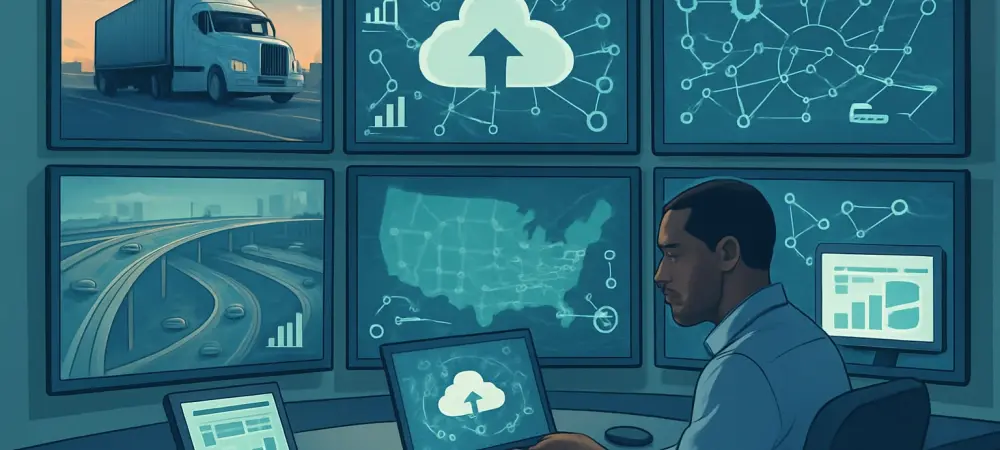
Picture a state Department of Transportation (DOT) field inspector in the middle of a sprawling highway construction site, juggling stacks of paper forms, manually recording data under tight deadlines, and struggling to ensure accuracy amid unpredictable weather conditions. This scenario, all too common in traditional DOT operations, often results in errors, delays, and compliance issues that can jeopardize infrastructure safety. The inefficiencies of paper-based systems have long plagued public sector agencies, but a seismic shift is underway with digital transformation offering a lifeline to modernize these critical operations. The significance of digital tools in DOTs cannot be overstated, as they directly influence the efficiency and safety of transportation infrastructure, which impacts millions of lives daily. By replacing outdated manual processes with automated, mobile-friendly solutions, state agencies can enhance data accuracy and streamline workflows. This trend toward digitalization promises not only operational improvements but also better community outcomes through safer, more reliable infrastructure.
This analysis delves into the transformative alliance between GoFormz and AASHTOWare Data Alliance, a pioneering partnership reshaping DOT field operations. Key benefits, real-world applications, expert perspectives, and future implications of this digital shift are explored, culminating in a summary of its potential to redefine public sector efficiency.
The Rise of Digital Tools in DOT Operations
Adoption Trends and Industry Growth
The public sector, particularly state DOTs across the United States, is witnessing a rapid surge in the adoption of digital solutions to replace antiquated systems. Recent reports indicate that over 60% of government agencies have integrated mobile technology into their operations since the start of this decade, reflecting a broader push toward automation. This shift is driven by the need for real-time data access and improved accountability in managing public infrastructure.
Beyond mobile adoption, integrated platforms for data collection and project management are becoming indispensable in the industry. These tools allow for seamless communication between field teams and central offices, reducing the lag time inherent in paper processes. The trend is evident as more DOTs prioritize digital workflows to meet stringent federal compliance standards and public expectations for transparency.
A key driver of this growth is the increasing investment in no-code platforms that empower non-technical staff to create and manage digital forms. As agencies grapple with budget constraints, such solutions offer cost-effective ways to modernize without extensive IT overhauls. This momentum signals a lasting transformation in how transportation projects are executed and monitored.
Real-World Implementation and Impact
A standout example of digital transformation in action is the GoFormz and AASHTOWare Data Alliance, which integrates GoFormz’s mobile-friendly platform with AASHTOWare Project™ through an open API framework. This collaboration enables field inspectors and administrators to complete forms on mobile devices, whether online or offline, ensuring uninterrupted data collection in remote areas. The automated routing of these forms into central systems for review slashes processing times significantly.
The alliance introduces advanced features like conditional logic, e-signatures, and geotags, elevating the functionality of digital forms far beyond static PDFs. Such capabilities ensure that data captured in the field is not only accurate but also contextually relevant, with location stamps and dynamic fields minimizing errors. DOTs benefit from streamlined operations as critical documents, such as safety inspections, are processed with unprecedented speed. Tangible improvements are already visible in agencies adopting this solution, with reports of enhanced data precision and reduced administrative burdens. For instance, the elimination of manual data entry mitigates the risk of transcription mistakes, while faster approvals accelerate project timelines. This partnership exemplifies how targeted digital tools can address long-standing inefficiencies in public sector fieldwork.
Expert Perspectives on Digital Transformation
The value of this digital alliance is underscored by insights from industry leaders who champion its impact on DOT operations. Rob Brewster, CEO of GoFormz, highlights how the integration facilitates smarter, faster data exchange between field teams and central systems. According to Brewster, this capability equips agencies with timely insights, enabling more informed decision-making on critical infrastructure projects.
Keith Platte, Director of AASHTOWare, emphasizes the partnership’s role in delivering innovative solutions tailored to the needs of DOT members. Platte notes that centralizing project management data through this collaboration enhances operational efficiency and fosters consistency across state agencies. This unified approach ensures that transportation projects are executed with greater oversight and coordination.
Feedback from end-users further validates these benefits, with Janet Treadway of the Ohio Department of Transportation pointing to practical gains. Treadway describes how the solution reduces duplication of effort, speeds up form creation and updates, and improves data quality for compliance and payment processes. Such firsthand accounts illustrate the profound difference digital tools make in day-to-day DOT workflows, reinforcing the trend’s relevance.
Future Implications of Digitalization in DOTs
Looking ahead, the GoFormz and AASHTOWare Data Alliance is poised to shape the trajectory of DOT operations by encouraging wider adoption of mobile-first, no-code platforms. As more states recognize the value of such tools, a domino effect could emerge, with digital workflows becoming the norm rather than the exception. This evolution promises to further streamline processes, potentially saving millions in operational costs over the coming years.
Significant benefits lie on the horizon, including enhanced compliance through automated audit trails and improved scalability for managing large-scale projects. However, challenges such as technology adoption barriers among staff and cybersecurity risks must be addressed to sustain this progress. Ensuring robust training programs and data protection measures will be critical to overcoming these hurdles and maximizing the alliance’s impact.
The broader implications extend beyond transportation, potentially inspiring similar digital initiatives across other government sectors. Partnerships like this could set a precedent for how public agencies leverage technology to drive systemic efficiency, from urban planning to environmental management. As digitalization gains traction, the public sector stands to become more responsive and accountable, ultimately benefiting communities nationwide.
Closing Thoughts
Reflecting on the journey of digital transformation in DOT operations, the GoFormz and AASHTOWare Data Alliance proves to be a groundbreaking step that tackles deep-rooted inefficiencies head-on. This partnership demonstrates how mobile technology and automated workflows can elevate accuracy, speed, and compliance in field operations. State agencies that embrace these tools witness measurable improvements in managing vital transportation infrastructure. As a forward-looking consideration, DOT leaders and stakeholders are encouraged to prioritize strategic investments in digital partnerships to build on this foundation. Exploring scalable solutions and fostering a culture of innovation within agencies will be essential to address emerging challenges and capitalize on technological advancements. By committing to this path, transportation authorities can ensure safer, more efficient infrastructure that serves the public with greater reliability and trust.