

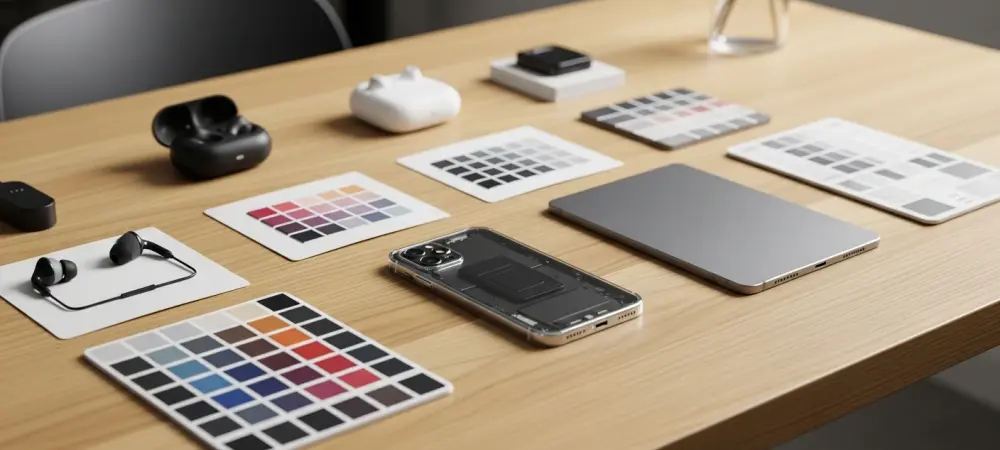
The contemporary smartphone market is undergoing a radical transformation as consumers begin to ignore raw processing power in favor of devices that possess a genuine soul and a distinct personality. For years, the industry remained trapped in a cycle of incremental hardware updates where megapixel counts and gigahertz benchmarks defined success. However, a significant shift toward emotional resonance and user agency is now dictating the next wave of mobile innovation. Brands like Nothing are leading this movement, proving that a device is no longer just a utility but an extension of the user’s creative identity.
This trend analysis explores how design-led thinking is dismantling the traditional spec-heavy hierarchy. By examining the rise of community-driven ecosystems and the “Playground” philosophy, it becomes clear that the future of technology lies in human-centric interaction. As the industry moves forward, the focus is shifting from what a phone can do on paper to how it makes a person feel during daily use.
The Evolution of the Mid-Range Market: Beyond the Spec Sheet
Data and Adoption: The Rise of Aesthetic and Experiential Value
Market trends currently indicate a growing fatigue among consumers who are tired of the standardized, glass-slab designs that have dominated the last decade. Recent data suggests that “niche” enthusiast brands are gaining significant ground by prioritizing software-to-hardware synergy over sheer power. Buyers are increasingly making decisions based on how a phone’s interface complements its physical form, leading to a surge in the popularity of customizable operating systems.
Furthermore, statistics regarding digital well-being features show that users are actively seeking ways to reduce their screen time without losing connectivity. This demand has fueled the growth of alternative notification systems and monochrome aesthetics. Instead of chasing the highest possible frame rates, modern consumers are investing in technology that respects their attention and offers a more intentional, less chaotic digital experience.
Real-World Application: The Nothing Phone (4a) and the “Playground” Philosophy
The Nothing Phone (4a) serves as a primary example of this shift, utilizing the “Nothing Playground” to transform the average user into a digital creator. Through this platform, individuals can design custom widgets and unique Glyph patterns, moving away from the rigid templates provided by traditional manufacturers. This implementation turns the hardware into a collaborative canvas, where the community shares camera presets and configurations to build an open, evolving ecosystem.
Technically, the Glyph interface acts as a functional alternative to screen-heavy notifications, allowing users to stay informed through light patterns rather than constant pop-ups. This haptic-centric approach ensures that the phone remains a helpful tool rather than a source of sensory overload. By fostering a sense of ownership, the brand has created a loyal following that values artistic expression as much as it values a Snapdragon processor or an OLED display.
Industry Insights: Expert Perspectives on Human-Centric Design
UX designers are increasingly advocating for “calm technology,” a concept that emphasizes reducing digital clutter through minimalist aesthetics. Experts suggest that the move toward monochrome interfaces and tactile feedback is essential for maintaining mental clarity in an era of information saturation. By utilizing the Glyph system for timers and recording statuses, manufacturers can redefine the Android experience, making it feel more intuitive and less intrusive. Market analysts observe that a “software-first” strategy is becoming a viable path to sustainability in a saturated hardware market. While competitors struggle to differentiate themselves with similar camera sensors, brands that focus on the emotional connection between the user and the interface are building long-term brand loyalty. This perspective suggests that the next generation of mobile interaction will be defined by how well a device can adapt to the user’s lifestyle through modular and open-source design elements.
The Future of Mobile Interaction: Personalization as the New Standard
As the “smartphone as a canvas” concept gains momentum, it will likely influence hardware development across the entire industry. Future devices may prioritize modular software that allows users to strip away unnecessary features in favor of a bespoke experience. The challenge for engineers will be balancing high-performance components, such as periscope lenses and 120Hz displays, with a software philosophy that remains minimalist and intentional.
Broader implications suggest that design-led innovation will eventually bridge the gap between high-tech utility and artistic expression. If manufacturers continue to empower users to shape their own digital environments, the standard for a “premium” device will shift from expensive materials to the level of creative freedom it offers. This evolution hints at a future where technology is no longer a locked box, but a flexible tool for human ingenuity.
Conclusion: Setting a New Benchmark for the Digital Age
The success of the Nothing Phone (4a) demonstrated that emotional connection and community ownership were the true frontiers of mobile innovation. By prioritizing intentionality over mindless iteration, the industry began to value the user’s experience as much as the device’s performance. Manufacturers realized that the path to longevity required moving beyond the spec sheet to embrace a more human-centric philosophy. Moving forward, the industry should focus on creating open platforms that encourage user participation in the design process. Stakeholders must move toward a model where hardware serves as a foundation for personalized digital art, rather than a finished, unchangeable product. Prioritizing these collaborative ecosystems ensured that technology remained a servant to human creativity rather than a distraction from it.