

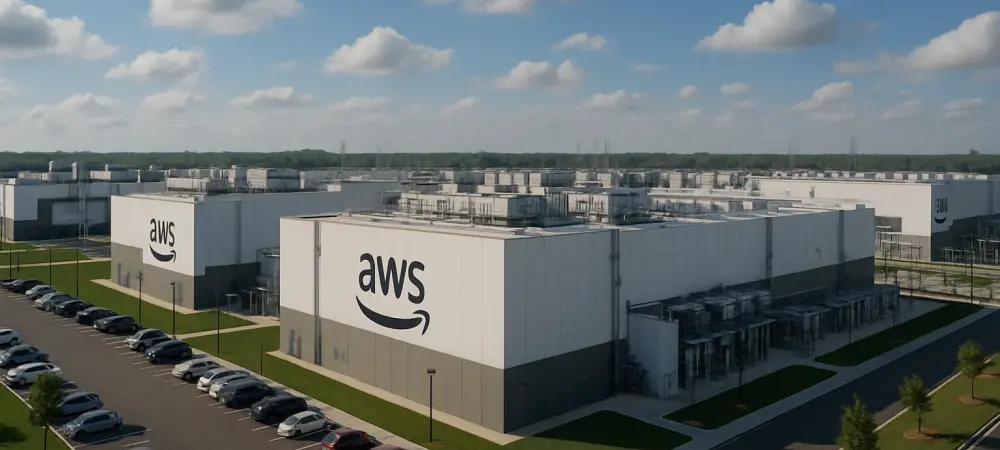
In a transformative move for the Midwest, Amazon has unveiled plans for a staggering $3 billion data center campus in Sidney, Ohio, signaling a seismic shift in the region’s tech landscape that could redefine its economic future. This ambitious project, part of a broader wave of data center growth, underscores the escalating demand for cloud computing infrastructure as businesses and consumers increasingly rely on digital services. Ohio, once primarily known for manufacturing and agriculture, is rapidly emerging as a pivotal hub for technology investments, with Amazon Web Services (AWS) leading the charge. This analysis delves into the scope of Amazon’s expansion, highlights key projects like the Sidney campus, incorporates expert and community perspectives, explores future implications, and offers a reflective outlook on balancing innovation with local impact.
The Surge of Data Centers in Ohio
Tracking Amazon’s Expanding Footprint
Amazon Web Services has committed to a monumental $23 billion investment in Ohio’s data center infrastructure over the coming years, with plans extending through 2029 or 2030. This includes established campuses in Franklin and Licking counties near Columbus, which have been operational for nearly a decade. The scale of this investment positions Ohio as a critical node in AWS’s US East cloud region, catering to the soaring needs of cloud storage and computing power across industries.
The latest addition to this portfolio, dubbed Project Galaxy, is a $3 billion campus in Sidney, located in Shelby County. Construction is set to commence in January 2026 and wrap up by 2030, marking a significant milestone in Amazon’s regional strategy. Local reports from outlets like WHIOTV7 and SidneyDailyNews confirm that AWS is also eyeing further expansions in areas such as Sunbury, Marysville, Fayette County near Dayton, and Columbus suburbs including New Albany, Hilliard, and Dublin, illustrating a comprehensive push across the state.
Tangible Outcomes: Sidney Campus and Wider Effects
Situated on the north side of Millcreek Road in Sidney, the Project Galaxy campus has secured a 30-year, 100% tax abatement from the Sidney City Council, paired with a $50 million payment in lieu of taxes over 15 years. This financial arrangement highlights the city’s eagerness to attract tech giants, promising an economic boost through infrastructure development. The approval process reflects a calculated bet on long-term growth for a community roughly 36 miles north of Dayton.
Beyond Sidney, AWS’s presence in Ohio since its initial foray nearly a decade ago has cemented the state’s role in the national cloud ecosystem. The company’s data centers support a vast array of digital services, from streaming platforms to enterprise solutions, ensuring low-latency access for millions of users. This operational history provides a foundation for the ambitious projects now underway, reinforcing confidence in Ohio’s tech-friendly environment.
A notable aspect of Amazon’s strategy is its emphasis on sustainability, with investments in 23 wind and solar projects across the region. These initiatives are projected to generate over 2.9 gigawatt-hours of clean energy annually once fully operational, addressing some environmental concerns tied to the energy-intensive nature of data centers. Such efforts signal a commitment to mitigating the ecological footprint of large-scale tech infrastructure.
Insights from Stakeholders: Expert and Local Views
Economic Promises and Official Support
City officials and economic development experts have largely welcomed Amazon’s data center projects, citing substantial benefits for Ohio’s economy. Sidney City staff, in particular, endorsed the tax incentives for Project Galaxy, emphasizing potential job creation in construction, maintenance, and ancillary sectors. The influx of capital is also expected to enhance local infrastructure, from roads to utilities, benefiting surrounding communities over time.
State-level analysts echo this optimism, pointing out that data centers can elevate Ohio’s profile as a destination for tech investment. The ripple effects could attract other companies, fostering a cluster of innovation in the region. This perspective underscores a broader vision of transforming the state into a competitive player within the national tech arena, leveraging strategic geographic and economic advantages.
Community Reactions and Emerging Concerns
Despite the enthusiasm from officials, not all feedback has been positive, as evidenced by the formation of the Sidney Citizens Data Center Watch group. With over 150 members active on social media, this organization reflects a segment of the population wary of the project’s implications. While specific grievances remain unclear from public statements, potential issues might include environmental strain, increased traffic, or shifts in local property values.
Industry observers note that integrating massive tech facilities into smaller towns often sparks tension, particularly when communication between corporations and residents feels inadequate. The lack of transparency about long-term impacts can fuel distrust, even when economic benefits are apparent. This dynamic suggests a need for more robust dialogue to address underlying apprehensions and build community consensus.
Future Horizons: Data Center Growth in Ohio
Economic Transformation and Tech Leadership
Looking ahead, Amazon’s expansive data center projects are poised to redefine Ohio’s economic identity, positioning the state as a cornerstone of the national tech infrastructure. The influx of billions in investment could catalyze growth in related sectors, from cybersecurity to software development, establishing a vibrant ecosystem. This shift may also draw talent and businesses, enhancing the state’s competitiveness on a broader scale.
The potential for job creation remains a key draw, with roles spanning technical operations to support services likely to emerge. Beyond direct employment, the presence of cutting-edge facilities could spur innovation, encouraging startups and research initiatives to take root. Such developments promise to diversify Ohio’s economic base, reducing reliance on traditional industries while embracing digital transformation.
Challenges and Sustainable Pathways
However, this growth trajectory is not without hurdles, as environmental concerns and community displacement risks loom large. Data centers, notorious for high energy and water consumption, could strain local resources if not managed responsibly. Additionally, rapid development might alter the character of smaller towns like Sidney, prompting debates over land use and cultural preservation.
The evolving demand for cloud computing will likely drive further expansions, necessitating advancements in energy efficiency and renewable integration. Future projects might prioritize innovative cooling technologies or enhanced grid partnerships to curb environmental impact. Equally important is the adoption of community engagement strategies, ensuring local voices shape development plans to minimize friction and maximize shared benefits.
Final Reflections: Navigating Progress and Challenges
Reflecting on Amazon’s bold data center expansion in Ohio, the $3 billion Sidney project and the overarching $23 billion investment stand as landmarks of technological ambition. These initiatives promise substantial economic uplift, yet they also stir local scrutiny over their broader implications. The dual nature of such developments—blending opportunity with potential disruption—underscores a critical balance that needs careful navigation. Moving forward, stakeholders are urged to prioritize sustainable practices, ensuring that growth does not come at the expense of environmental or social well-being. Transparent collaboration between tech giants, local governments, and communities emerges as a vital step to align progress with public interest. By fostering inclusive strategies and investing in green solutions, Ohio could solidify its role as a tech powerhouse while safeguarding its unique regional identity for generations to come.