

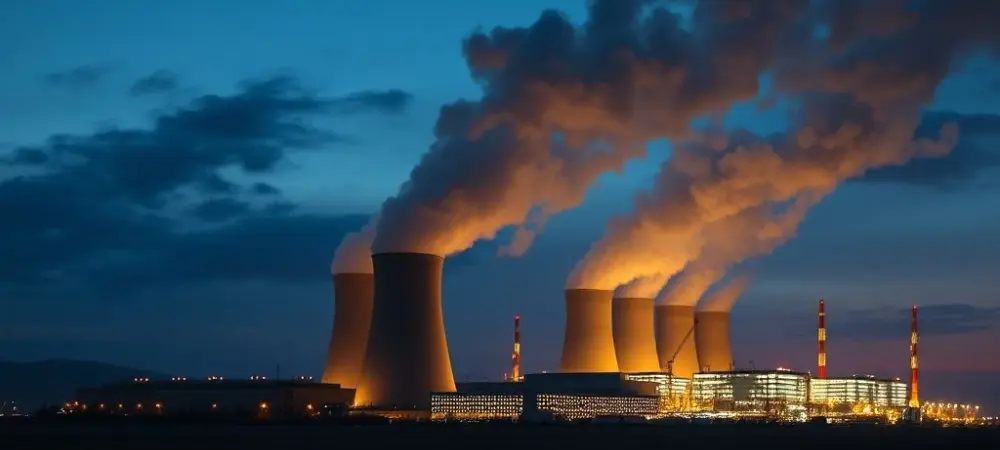
A new frontline has emerged in the ongoing conflict between rapid technological advancement and environmental stewardship, with the once-unseen data center industry now standing directly in the spotlight of public scrutiny. As the booms in artificial intelligence and cryptocurrency demand unprecedented levels of energy and water, a direct clash with community and environmental interests has become inevitable. This analysis will examine the organized opposition mounting against this expansion, the core arguments driving it, the industry’s powerful counterpoints, and the future implications of this critical standoff.
The Growing Movement Against Data Center Expansion
The Coalition and Its Demands
A formidable coalition of over 200 pressure groups, led by the national organization Food & Water Watch and supported by major players like Greenpeace and Friends of the Earth, has formalized its opposition. This alliance has taken the significant step of petitioning Congress to enact a national moratorium on the approval and construction of new data centers, signaling a coordinated and serious challenge to the industry’s growth trajectory.
Their call for a pause is substantiated by alarming data, including a University of California report which found that negative health impacts from pollution tied to California’s data centers had tripled between 2019 and 2023. The coalition argues that a temporary halt is essential to properly investigate the potential harms before the industry’s footprint becomes an unmanageable environmental and social burden.
From National Petitions to Local Victories
This national advocacy is translating into tangible outcomes at the local level, proving the movement’s efficacy. A prime example is the recent cancellation of a planned $2 billion data center project in Indiana, which was halted directly as a result of significant and sustained community opposition.
This victory showcases the movement’s ability to mobilize and influence local decision-making, transforming a national petition into a powerful force capable of stopping major infrastructure projects. It serves as a clear warning to developers that community consent can no longer be taken for granted.
Core Arguments Fueling the Opposition
The Environmental Toll of Digital Infrastructure
At the heart of the opposition are profound environmental concerns, primarily focused on the massive and often unsustainable consumption of resources. Modern data centers require enormous amounts of energy to power their servers and vast quantities of water to keep them cool, placing a significant strain on local utilities and natural ecosystems.
This immense demand is directly linked to an increase in fossil fuel pollution. As data centers push local energy grids to their limits, utility providers are frequently forced to rely on older, less efficient power plants to meet the surge, thereby increasing carbon emissions and undermining regional climate goals.
The Socio Economic Impact on Communities
Beyond the environmental toll, opponents argue that the public bears a direct financial cost for this expansion. They point to “skyrocketing utility costs” for families and small businesses as energy grids are upgraded and strained to serve these new industrial consumers.
This critique also carries a strong social justice component. The prevailing argument is that local communities often endure the negative consequences, such as increased pollution and strained resources, without sharing equitably in the economic benefits, which are largely captured by multinational technology corporations.
Counterpoints and The Economic Reality
The Unlikelihood of a Federal Ban
In contrast to the activists’ demands, the likelihood of a federal ban on data centers remains exceptionally low. The primary counterargument is the immense positive contribution of the AI boom to the U.S. GDP, making any federal action that could stifle this growth politically and economically unfeasible.
The data center industry is increasingly framed as a critical engine for national economic prosperity and a cornerstone of America’s leadership in the global technology race. From this perspective, a moratorium would be viewed as a self-inflicted economic wound.
International Precedents and Their Limits
While the idea of a moratorium is not without precedent, international examples suggest they are temporary measures, not permanent solutions. Smaller, dense markets like Singapore, Dublin, and Amsterdam have all implemented temporary pauses on data center development to address grid capacity and land use concerns.
However, these moratoriums were all eventually relaxed or lifted after new regulations and strategies were put in place. This pattern indicates that such bans function more as a regulatory reset button than a full stop on industry growth, allowing governments to catch up with the pace of development rather than halting it indefinitely.
The Future of Data Center Development
The trajectory of this conflict points toward a future where the unstoppable demand for data must be reconciled with the growing necessity for sustainable practices. This tension is likely to reshape the landscape of data center development, forcing a pivot away from the growth-at-all-costs model that has defined the industry’s past.
Potential developments are already taking shape, including the implementation of stricter local zoning laws that mandate higher efficiency standards and community benefit agreements. Simultaneously, the industry is facing immense pressure to innovate, accelerating the development of green data center technologies and prompting corporations to adopt more transparent accountability initiatives regarding their environmental impact.
The broader implications of this standoff extend far beyond the tech sector, influencing national energy policy, urban and rural planning, and the very definition of sustainable development in the digital age. This conflict highlights both the challenges posed by resource scarcity and the profound opportunities for innovation that can arise from it.
Conclusion: Reconciling Growth with Responsibility
The events of the past few years revealed that a well-organized and effective opposition movement successfully challenged the unchecked expansion of data centers. This challenge was founded on legitimate and increasingly urgent concerns about the industry’s environmental and economic impact on local communities.
It also became clear that while a federal ban was unlikely due to powerful economic imperatives, the persistent pressure from these advocacy groups forced a necessary and overdue conversation about sustainability in the tech sector. The dialogue shifted from whether data centers should grow to how they could grow responsibly.
Ultimately, the situation underscored the need for a collaborative path forward. A sustainable future for digital infrastructure depended on industry leaders, policymakers, and community advocates working together to forge a new model for responsible growth that did not sacrifice environmental health for technological progress.