

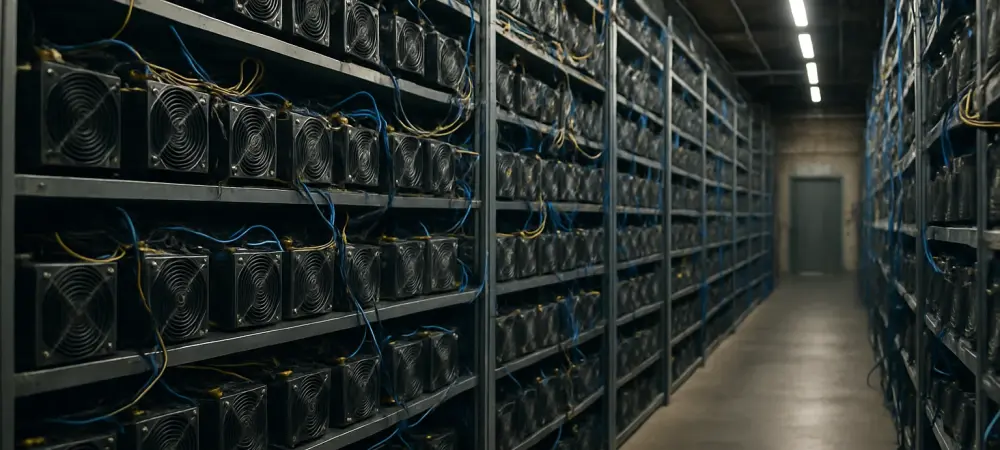
The Surge of Cryptocurrency and Data Center Synergy
In a landscape where digital currencies can skyrocket or plummet overnight, the intersection of cryptocurrency mining and data center infrastructure has emerged as a high-stakes arena, with billions of dollars riding on the ability to secure power and space for energy-hungry operations. This trend, fueled by the insatiable demand for computational power, has positioned data centers as critical assets in the tech and energy sectors, particularly for crypto mining giants seeking sustainable solutions. The focus here narrows to a significant case of deal volatility with Greenidge Generation’s terminated agreement with Data Journey, alongside an exploration of industry-wide challenges and strategic responses that define this evolving market.
The growing reliance on data centers for cryptocurrency mining reflects a broader shift in how technology and energy infrastructure must adapt to unprecedented demands. As mining operations scale, the need for robust, power-efficient facilities becomes paramount, often leading to complex transactions involving land, power rights, and innovative energy sources. This analysis delves into the drivers behind these deals, the pitfalls encountered, and how companies like Greenidge are navigating setbacks to maintain momentum in a volatile sector.
Unpacking the Boom in Cryptocurrency Data Center Transactions
Market Expansion and Energy Demands
The cryptocurrency industry’s appetite for data centers has surged in recent years, driven not only by mining but also by the parallel rise of AI infrastructure, both of which require immense computational resources. Industry reports highlight that global data center capacity has expanded significantly, with projections estimating continued growth to meet these dual demands over the next several years. This boom underscores a critical need for facilities that can handle high power loads, often in remote or strategically chosen locations to optimize costs and access to energy.
A defining characteristic of crypto mining is its energy-intensive nature, with operations consuming vast amounts of electricity to solve complex algorithms and validate transactions. Studies indicate that Bitcoin mining alone accounts for a substantial share of global energy use, prompting a push toward sustainable solutions like solar, wind, and nuclear power. Deals in this space increasingly prioritize zero-carbon energy commitments, as companies aim to balance profitability with environmental responsibility, setting a new standard for infrastructure investments.
Spotlight on the Greenidge Generation and Data Journey Transaction
One illustrative example of this trend’s complexities is the now-terminated deal between Greenidge Generation, a prominent player in cryptocurrency data centers and power generation, and Data Journey, concerning a 152-acre site in Spartanburg, South Carolina. Valued at $12.1 million in cash plus an eight percent profit participation interest for Greenidge, the agreement included two land parcels with associated power rights, aiming to develop a data center utilizing 60MW of power, with 60 percent sourced from zero-carbon energy, including nuclear. This deal, initially signed over a year ago, showcased the industry’s focus on sustainable power integration as a key selling point.
However, on August 24 of last year, Data Journey exercised its right to terminate the purchase agreement, halting the transaction. Despite this setback, Data Journey retains an option to complete the purchase within the next year, while Greenidge holds onto $400,000 in non-refundable deposits. Meanwhile, Greenidge continues to market the property to other potential buyers, demonstrating a proactive stance in the face of deal uncertainty and highlighting the fluid nature of such transactions in this sector.
Industry Perspectives on Transaction Instability
Challenges in Deal Execution
Navigating cryptocurrency data center deals often involves grappling with significant hurdles, as financial reassessments or strategic pivots by involved parties can derail even the most promising agreements. Industry analysts point out that the volatility of crypto markets, combined with fluctuating energy costs, frequently leads to reevaluations of investment priorities, resulting in terminations or renegotiations. Such challenges are not isolated incidents but rather symptomatic of a sector where rapid changes in technology and market conditions demand constant agility from stakeholders.
Resilience Amid Setbacks
Reflecting on these dynamics, insights from leaders like Greenidge CEO Jordan Kovler emphasize the importance of adaptability in maximizing shareholder value despite transactional hiccups. Kovler’s perspective highlights a commitment to exploring alternative opportunities for assets like the Spartanburg property while maintaining a focus on long-term growth. This mindset resonates across the industry, where resilience and flexibility are seen as essential traits for companies aiming to thrive amid the unpredictability of deal outcomes and market shifts.
Projecting the Future of Cryptocurrency Data Center Transactions
Innovations and Energy Efficiency
Looking ahead, the trajectory of data center deals in the cryptocurrency space appears poised for transformation through advancements in energy efficiency and creative deal structuring. Emerging technologies, such as more efficient cooling systems and modular data center designs, could reduce operational costs and environmental impact, making facilities more attractive to investors. Additionally, innovative contract frameworks that account for market volatility may help stabilize transactions, fostering greater confidence among parties in this high-risk environment.
Balancing Risks with Strategic Opportunities
While challenges like deal terminations and market fluctuations persist, opportunities for growth remain abundant for companies that prioritize strategic asset management and access to low-cost power. Greenidge’s recent acquisition of a 37-acre plot in Mississippi, expected to provide 44MW of affordable power by mid-2026, exemplifies this approach, showcasing how firms can pivot to new ventures following setbacks. This move, alongside divestitures of smaller facilities in the same state, illustrates a calculated effort to optimize resources and secure future scalability in a competitive landscape.
Wider Industry Implications
Beyond individual company strategies, the broader implications for the cryptocurrency and data center industry suggest a need for diversified investments in power infrastructure and alternative revenue streams to mitigate risks. As energy remains a linchpin of mining operations, firms may increasingly seek partnerships with renewable energy providers or explore co-location models to share costs and infrastructure. Such trends could redefine how value is created and sustained in this sector, pushing companies toward more collaborative and sustainable business models over time.
Reflecting on Past Lessons and Future Pathways
Reflecting on the past, the termination of the Greenidge Generation and Data Journey deal marked a notable chapter of uncertainty in the volatile world of cryptocurrency data center transactions, underscoring the inherent risks of such high-stakes agreements. Greenidge’s strategic pivot to new opportunities, like the Mississippi expansion, alongside its retention of deposits and continued marketing efforts for the Spartanburg property, highlighted a resilience that many in the industry strove to emulate during turbulent times. These events painted a picture of an industry where setbacks were frequent but not fatal for those with adaptive strategies.
Looking forward from those moments, companies were encouraged to invest in robust due diligence and flexible contract terms to better weather sudden shifts in partner priorities or market conditions. Exploring partnerships with energy innovators to secure sustainable, cost-effective power sources stood out as a critical step to ensure operational continuity. By focusing on such proactive measures, firms could position themselves to not only survive but thrive amid the evolving challenges and opportunities that define the cryptocurrency data center landscape.