

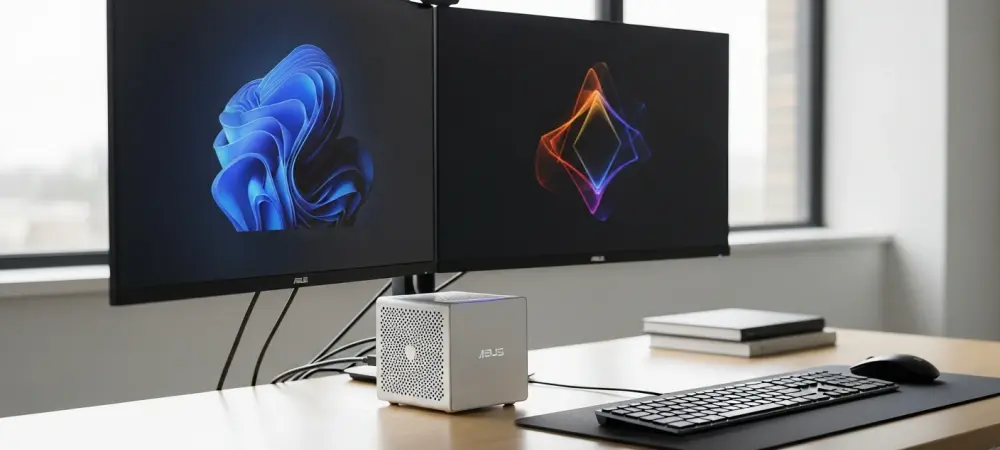
The era of the bulky, high-maintenance local workstation is fading as the desktop experience migrates from the office floor to the data center. Modern enterprises now view the traditional tower PC as a liability rather than an asset, prompting a massive transition toward thin-client architecture. As organizations prioritize cybersecurity and remote accessibility, the integration of specialized hardware designed for cloud-native operating systems represents a fundamental shift in how businesses procure and manage IT resources.
This evolution is driven by Microsoft’s expansion of the Windows 365 ecosystem, which has moved beyond software into a dedicated hardware tier. By decoupling the operating system from local hardware constraints, the tech industry is redefining the endpoint. This article examines the strategic shift toward third-party hardware partnerships with Asus and Dell and the long-term implications of a managed hardware ecosystem that prioritizes subscription growth over physical sales.
The Evolution of Specialized Cloud Terminals
Market Growth: Adoption of Virtualized Endpoints
The transition from traditional CapEx hardware models to OpEx cloud subscriptions is accelerating as the hybrid work era becomes the permanent standard. Statistical insights show a sharp increase in the demand for “Thin Client” and “Zero Client” architectures, which offer a lower total cost of ownership by offloading processing power to the cloud. Businesses no longer need to refresh expensive local workstations every few years; instead, they invest in lightweight terminals that act as persistent gateways to virtual environments. High-security sectors—such as healthcare and finance—are the primary engines driving the adoption of locked-down, cloud-only hardware. These industries require strict data sovereignty and minimal local footprints to prevent data theft or hardware tampering. By moving the data to a secure server, organizations ensure that a lost or stolen device contains no sensitive information, effectively neutralizing a major vector for security breaches.
Real-World Applications: From the Link to Global Hardware Partners
The Microsoft “Link” device served as the initial catalyst for this shift, proving that a specialized, low-power device could deliver a full Windows experience without local bloat. However, the strategy has matured through partnerships with Asus and Dell. The Asus NUC 14 Pro and Dell Pro Desktop for Windows 365 offer versatile solutions for demanding manufacturing and retail environments. These compact units provide high performance in a small footprint, allowing workers to access their personal cloud desktops from any station on a factory floor or a retail counter.
The implementation of “Windows CPC” (Cloud PC) software further streamlines these deployments. By removing local storage and reducing the attack surface, this specialized software ensures that the device boots directly into a secure session. This method eliminates the need for complex local imaging and maintenance, allowing IT departments to ship a new device directly to a user and have them productive within minutes of unboxing.
Expert Perspectives: The Managed Hardware Ecosystem
Systems architects emphasize the security benefits of removing local user accounts and physical storage. When the hardware lacks a local operating system, the potential for malware to gain a foothold on the physical machine is virtually eliminated. Industry analysts suggest that Microsoft’s strategy is intentionally prioritizing subscription growth through Windows 365 over first-party hardware sales. By opening the ecosystem to partners like Asus and Dell, Microsoft ensures that the Windows 365 service is available on a wide variety of form factors.
Technical challenges remain, particularly regarding “Tenant Branding” and Bluetooth integration in strictly virtualized environments. Experts are working to refine how peripherals connect to a cloud session to ensure a seamless user experience. Upcoming updates focus on making these connections as intuitive as they are on local machines, ensuring that the transition to a virtual desktop does not compromise the utility of common office tools or specialized hardware accessories.
The Future of the Decoupled Desktop
The transition toward subscription-based “PC-as-a-Service” models is expected to reach the consumer market soon. As 5G and fiber connectivity become universal, latency issues will vanish, making cloud hardware indistinguishable from local machines for the average user. This shift has significant environmental and economic implications, as it extends hardware lifecycles through server-side processing upgrades rather than requiring frequent physical replacements of the entire unit.
However, the move toward total cloud dependency introduces risks, including the necessity of constant internet connectivity and the threat of service outages. Organizations must weigh the benefits of centralized management against the vulnerability of being offline during a network failure. Despite these concerns, the trajectory toward a service-based infrastructure appears inevitable as the industry favors the agility and security of the cloud over the limitations of local silicon.
The Final Shift: To a Service-Based Infrastructure
The move toward specialized hardware like the Asus and Dell Windows 365 clients demonstrated that the industry was ready to leave traditional local computing behind. This hardware integration solidified the Cloud PC as the new enterprise standard, proving that physical devices could serve as efficient gateways rather than standalone powerhouses. By late 2026, many organizations successfully transitioned their entire fleets to these streamlined terminals, reducing overhead and improving security posture across global operations.
Moving forward, decision-makers should evaluate their current hardware lifecycles to identify opportunities for cloud migration. Future considerations must include an assessment of local network reliability and the potential for a “cloud-first” procurement policy. As the distinction between local and remote computing continues to blur, the most resilient businesses will be those that embrace hardware as a service, ensuring that their IT infrastructure is as flexible as the modern workforce it supports.