

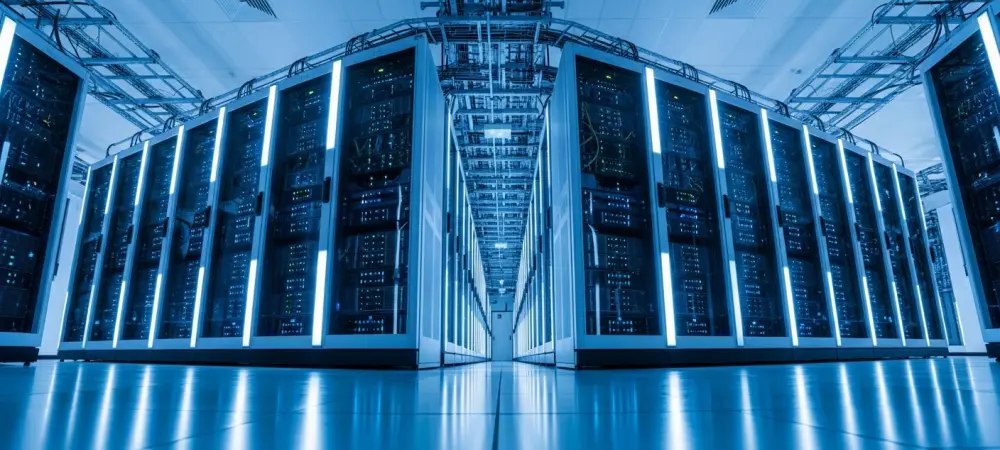
The transition from dusting off physical archives to achieving instant, global data accessibility represents the most significant shift in seismic history. Gone are the days when exploration teams waited weeks for physical tapes to be shipped across continents. Today, the energy sector is undergoing a profound digital rebirth, where legacy storage is no longer just a repository but a dormant engine waiting for the spark of cloud-native computing. This modernization is a critical pivot for the industry, particularly as artificial intelligence and advanced analytics demand high-speed access to decades of subsurface insights. Shifting to the cloud is not merely a technical upgrade; it is a strategic necessity in an era defined by rapid energy transitions. Organizations that continue to rely on siloed, on-premise hardware find themselves at a severe disadvantage when trying to run complex simulations. By establishing a roadmap for large-scale migration, the industry is moving toward a future of global energy intelligence, where data is fluid, searchable, and infinitely scalable.
The Shift Toward Petabyte-Scale Cloud Migration
Statistical Landscape: Growth Trends
The volume of seismic data has exploded, with individual organizations now managing estates that frequently reach tens of petabytes. As exploration targets become more complex, the resolution of data increases, leading to an exponential rise in storage requirements. Consequently, there is a massive surge in the adoption of hyperscale cloud environments provided by AWS, Azure, and Google Cloud, which offer the elasticity needed to manage these gargantuan datasets.
The decline of magnetic tape is perhaps the most visible sign of this evolution. Once the industry standard, physical media is rapidly being replaced by cloud-native storage solutions that offer superior durability and accessibility. This shift is driven by the realization that “cold” data is a wasted asset; by moving it to the cloud, companies can transform static archives into active resources that contribute to the bottom line through immediate availability.
High-Impact Applications: Real-World Implementation
A landmark example of this trend is the 40-petabyte migration project undertaken by TGS in collaboration with Tape Ark. This initiative involves transferring one of the world’s largest libraries of subsurface data into a hyperscale environment. Executing a transfer of this magnitude requires a sophisticated technical infrastructure that can handle the sheer weight of the information without compromising data integrity or security.
To achieve this, specialized ingest platforms utilize parallel processing to minimize operational disruption. By processing data across multiple global facilities simultaneously, the migration avoids the bottlenecks typically associated with traditional transfer methods. Once the data resides in a cloud-native format, it enables enhanced imaging and subsurface interpretation, allowing geoscientists to run processing jobs in hours rather than weeks.
Expert Perspectives on Digital Transformation
Leadership Insights: Scale and Flexibility
Industry leaders emphasize that speed and flexibility are the primary currencies of modern energy exploration. Executives from TGS and Tape Ark have noted that the ability to deliver data on demand is what separates market leaders from their competitors. This flexibility allows companies to pivot quickly in response to new discoveries or changing market conditions, ensuring that technical teams always have the most current information at their fingertips.
Removing Operational Bottlenecks
Experts view the elimination of manual data retrieval as a massive catalyst for innovation. In the past, the “human element” of finding, loading, and verifying physical tapes created significant lag times in the exploration cycle. By automating these processes through cloud-native workflows, the industry is removing the friction that once slowed down decision-making, allowing for a more streamlined approach to resource discovery.
Fostering Global Collaboration
The move to the cloud also empowers distributed exploration and production teams. Remote access to technical datasets means that a geophysicist in Houston can collaborate in real-time with a processor in Oslo or a geologist in Perth. This interconnectedness breaks down geographic silos and fosters a culture of shared intelligence, which is vital for managing complex global energy projects.
Future Outlook: The Evolution of Subsurface Intelligence
Integration with Emerging Technologies
Cloud-native data is set to become the fuel for the next generation of machine learning and artificial intelligence. Having petabytes of cleaned, formatted data ready for ingestion allows AI models to identify patterns in subsurface structures that were previously invisible to the human eye. This integration will likely lead to a higher success rate in drilling and a more efficient allocation of capital across the exploration spectrum.
Economic and Operational Implications
From a financial perspective, the move from capital-intensive physical storage to operational-expense-based cloud models offers a more sustainable path forward. While data sovereignty and cybersecurity remain valid concerns, the long-term benefits of high-speed access to historical surveys far outweigh the risks. As organizations refine their data estates, the ability to rapidly search and retrieve decades of information will become the new frontier for competitive advantage.
Conclusion: Securing the Future of Energy Data
The transition from legacy cold storage to active cloud-first environments marked a definitive turning point for the energy sector. Organizations realized that data accessibility was no longer a luxury but a fundamental requirement for survival in a data-driven market. By successfully migrating massive estates, industry leaders provided a blueprint for how legacy assets could be revitalized to meet modern analytical demands. Moving forward, the focus should shift toward refining data governance frameworks and investing in specialized talent capable of navigating these new hyperscale landscapes. Embracing this digital transformation ensured that the wealth of historical knowledge remained a potent tool for future resource discovery.