

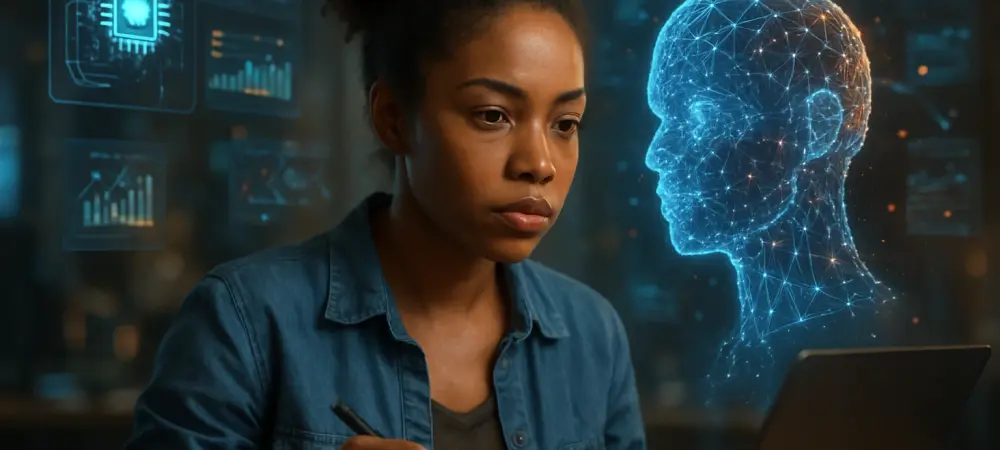
In the rapidly advancing era of artificial intelligence, where machines are continually redefining creativity, practice, and perception, a significant trend emerges in character-centric AI platforms. These platforms, such as Flipped Chat, are shifting the dynamics of narrative construction, providing innovative opportunities to reimagine digital interaction. Unlike traditional AI interfaces focused on conversational likeness, Flipped Chat offers fresh capacity for narrative brilliance by cultivating personalities that grow, adapt, and express themselves over time.
Understanding the Rise of Character-Centric AI
Current Market Landscape
Character-centric AI platforms are reshaping the digital narrative landscape with notable momentum. Market statistics show a remarkable surge in demand as users and developers explore the potential these platforms hold in enhancing creativity and interactivity. Reports illustrate an upward adoption rate, indicating that both creators and consumers are increasingly gravitating toward platforms fostering character development beyond mere dialogue. This upward trajectory persists as more sectors recognize the value in engaging users through complex, evolving personas.
Practical Applications and Innovations
Flipped Chat, among other prominent platforms, exemplifies innovation by introducing novel methodologies for character construction and narrative engagement. Robust applications are already visible, significantly impacting storytelling arenas, role-playing communities, and digital design industries. Through dynamic user interfaces, individuals effortlessly create intricate characters like a fantasy mentor or a cyberpunk hacker. This interface nurtures imagination, blending visual configuration with text-based attributes, allowing deep, personalized character development. As character-centric platforms evolve, users are discovering exciting new ways to craft authentic experiences that connect emotionally and creatively.
Expert Insights on Character-Centric AI
The advent and expansion of character-centric AI platforms are firmly echoed by leading thinkers in tech innovation. Industry experts emphasize transformative potential, asserting how these platforms redefine digital narratives and enrich creative outputs. Notable professionals highlight challenges associated with creating adaptable, emotionally resonant personalities while acknowledging the impressive accomplishments thus far. The recognized ability to craft characters with memory, growth, and emotional connectivity across diverse formats and genres marks a revolutionary milestone in digital creativity.
Future Trajectories of Character-Centric AI
Reflecting on potential advancements, character-centric AI platforms are envisioned to significantly influence multiple sectors, spanning gaming, education, and entertainment. The future appears bright, revealing promising innovations alongside challenges in balancing creativity with emotional realism. Enhanced narrative tools, more sophisticated memory configurations, and expanding collaborative networks among developers are plausible developments. Moreover, there are vital considerations on privacy and ethical design principles, ensuring the harmonious integration of authenticity and digital artistry. This trend is characterized by a dynamic evolution that promises unforeseen opportunities yet requires nuanced discussion regarding possible pitfalls.
Conclusion
Character-centric AI platforms have transformed digital creativity, allowing users to transcend traditional boundaries by fostering rich, interactive narratives. By acknowledging the immense potential of platforms like Flipped Chat, it can be anticipated that digital interactions will continue to evolve, crafting stories that merge imagination with resonant intelligence. While innovation carries challenges, actively exploring solutions can lead to proactive engagement in shaping the future of digital creativity, where imaginative characters lead to vastly enriched narratives, fostering infinite possibilities for collaboration and creation.