

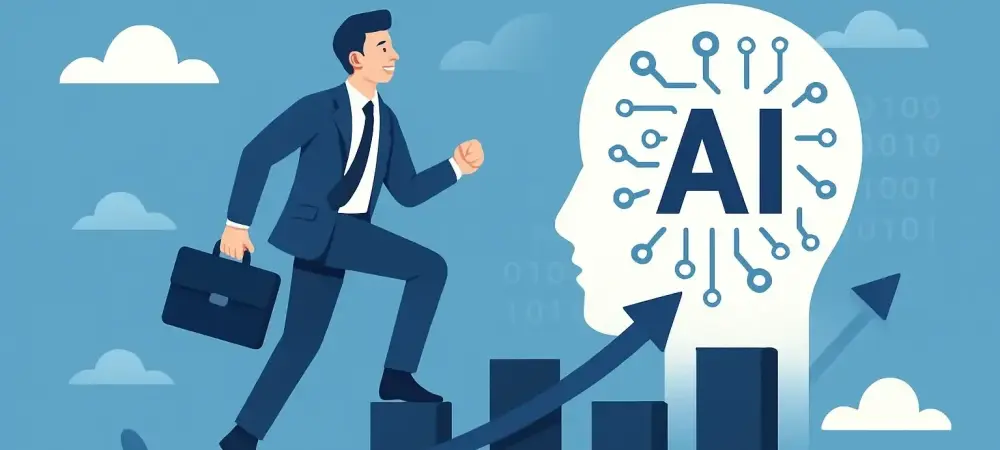
In the ever-evolving professional landscape, few forces have been as transformative as artificial intelligence. Consider the compelling scenario where traditional careers are dynamically reshaping due to AI’s influence, demanding not just adaptation but reinvention from the workforce. This shift does not merely suggest change; it necessitates understanding AI-driven career growth as a critical factor for future success.
Understanding the AI Economy
Current Dynamics and Statistics
The rapid adoption of AI across industries has dramatically altered the career landscape, offering a wealth of new job opportunities. Data reveal that sectors such as healthcare, finance, and manufacturing have seen a spike in AI integration. Reports highlight a dramatic rise in demand for AI specialists—by up to 300% in some areas—indicating the robust career potential AI technology bestows.
Real-World Applications and Case Studies
The application of AI is not restricted to technology firms alone. From healthcare providers using AI for precision medicine to retail giants implementing it for supply chain optimization, every industry appears to leverage AI’s potential. The experiences of companies like Google and Amazon showcase innovative career paths, as these organizations deploy AI for operational and strategic innovation, creating unprecedented roles such as AI ethicists and machine learning engineers.
Insights from Industry Leaders
Discussing AI’s impact on career growth is incomplete without insights from AI pioneers and thought leaders. These experts offer a unique perspective, emphasizing not only the potential of AI to redefine job roles but also the emerging challenges. They stress the importance of developing adaptable skill sets to navigate this new landscape effectively.
Their observations highlight a crucial shift in job dynamics and underscore a broader need for both systemic change and personal adaptability. The insights gathered reveal an urgent call for investing in continuous learning and embracing technology to ensure sustainable career development.
Future Outlook and Implications
The trajectory of AI technologies suggests that we are on the brink of significant job transformation. As AI becomes more pervasive, roles will evolve, demanding diverse skills and fostering interdisciplinary collaboration across sectors. This shift could lead to challenging circumstances, such as job displacement, but will also promote the emergence of new roles that leverage AI advancements.
Moreover, AI’s integration invokes socio-economic considerations. As technology redefines traditional job structures, it challenges existing notions of job security, prompting discussions on education systems and workforce policies to support this transition.
Conclusion
Looking back, the course of AI-driven career evolution has been profound, reshaping how professionals approach work, learning, and growth. The paradigm shift from a static career ladder to a dynamic, ongoing loop demands that individuals, organizations, and policymakers encourage innovation, adaptability, and skill development. A collective focus on lifelong learning, modular education, and professional reinvention could pave the way for an empowered workforce ready to harness AI for sustainable career success. The emphasis must now lie on preparing for an AI-oriented future, ensuring that opportunities abound in this transformative era.