

After years of predictions heralding its decline in the face of mobile dominance, the personal computer is experiencing a powerful renaissance fueled by a transformative force: on-device artificial intelligence. This technological pivot represents a significant departure from the cloud-dependent AI models that have defined the last decade. By bringing sophisticated processing directly to the user’s machine, the AI PC promises a new era of performance, security, and personalization. This analysis will explore the current market dynamics of this resurgence, examine the enabling hardware and software, incorporate insights from industry leaders, and chart the future trajectory of the AI PC’s integration into the enterprise world.
The State of Play Adoption and Application
Market Trajectory From Initial Hype to Enterprise Integration
The initial launch of first-generation AI PCs back in 2024 was met with a notably stymied enterprise adoption. While the hardware was available, a critical gap existed between its potential and the availability of compelling offline software that could fully harness its power. Consequently, most users continued to rely on familiar cloud services for their AI needs, as the first-wave of on-device chips lacked the speed to offer a truly competitive alternative for intensive tasks. This initial phase underscored a classic technology challenge: hardware innovation outpacing the software ecosystem needed to make it meaningful.
However, that early hesitation has proven to be a temporary phase rather than a final verdict. The migration of complex AI workloads to the “edge” is definitively underway, with the maturation period that began in late 2024 now entering a crucial phase. Now, in 2026, the industry is witnessing the realization of a milestone many had pointed to: the emergence of a robust and capable AI PC ecosystem. This period, projected to extend through 2027, is defined by the symbiotic growth of powerful local hardware and the intelligent applications designed to run on it.
Real World Enablers Hardware and Software in Action
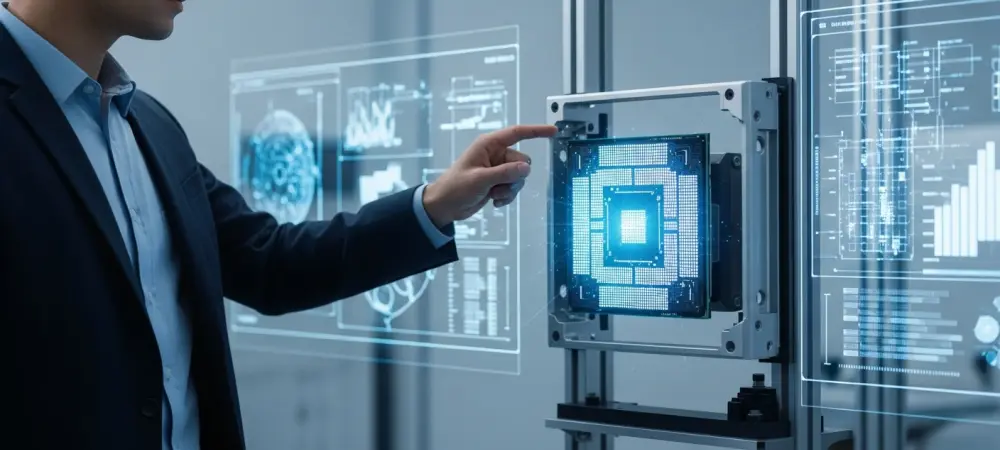
At the forefront of this hardware evolution is Intel’s next-generation “Panther Lake” chip, a product pushing the boundaries of what is possible with on-device AI. This processor marks a substantial leap forward, engineered specifically to run large language models and other complex AI applications locally. Its architecture features a significant increase to 12 GPU tiles—a massive jump from the four in its predecessor—which are the workhorses for AI processing. This design prioritizes the versatile GPUs over the more specialized Neural Processing Unit (NPU), though the NPU itself has been upgraded to deliver an impressive 50 trillion operations per second (TOPS).
This hardware arms race is not a solo endeavor. Competitors like Qualcomm are playing an active and crucial role, with their own advancements accelerating the trend toward faster, more efficient on-device processing. The healthy competition in the silicon space is ensuring that the hardware foundation for the AI PC becomes exponentially more powerful, creating fertile ground for a new generation of software that can finally deliver on the promise of localized AI.
On the software side, platforms like LLMware’s ModelHQ exemplify the innovation required to unlock the potential of this new hardware. ModelHQ provides a pioneering framework that enables users to chain together hundreds of smaller, specialized AI models to create custom automation workflows. Critically, this can be achieved without writing a single line of code and, in many cases, without an internet connection. This empowers non-technical enterprise users to design their own AI agents to streamline specific tasks, transforming the AI PC from a device that runs pre-packaged applications into a platform for personalized innovation.
Voices from the Vanguard Industry Expert Perspectives
Industry leaders have been candid about the timeline for this transformation. Jim Johnson, Senior Vice President at Intel, has acknowledged that the migration to on-device AI will not “happen overnight” but frames it as an irreversible and fundamental shift in computing. This perspective manages expectations by recognizing the complexities of ecosystem development while reinforcing the strategic certainty of the trend. The future is not about replacing the cloud entirely, but rather about creating a more balanced and efficient computing paradigm where tasks are executed in the most logical location.
For enterprises, the value proposition extends far beyond raw processing power. Zach Noskey from Dell articulates the core business case, focusing on the significant long-term cost reduction achievable by minimizing reliance on expensive cloud services. By processing AI tasks locally, companies can dramatically cut down on data transfer volumes and cloud computing fees. Furthermore, Noskey highlights a critical human capital benefit: the widespread availability of powerful AI tools on employee PCs serves as an invaluable platform for continuous upskilling, ensuring the workforce remains adaptive and competitive in an AI-driven economy.
This vision of a more intelligent personal computing experience is shared by software giants like Microsoft, which is strategically evolving its Windows platform into an “agentic OS.” The goal is to create an operating system that can intelligently and securely work with data that resides on the local device. This approach directly addresses paramount enterprise concerns around data privacy and security, as sensitive or proprietary information no longer needs to be sent to external servers for processing. It represents a future where the OS acts as a trusted collaborator, leveraging local AI to enhance productivity securely.
The Road Ahead Future Developments and Implications
The path forward is characterized by the anticipated convergence of this advanced silicon from manufacturers like Intel and Qualcomm with a new generation of sophisticated, user-friendly AI software. As hardware capabilities grow, so will the complexity and intelligence of the offline models and platforms they can support. This synergy will unlock transformative benefits for enterprises, creating a virtuous cycle of innovation where more powerful hardware enables smarter software, which in turn drives demand for even more capable hardware.
The opportunities stemming from this trend are multifaceted. Fortified data security is a primary driver, as local processing mitigates the risks associated with cloud-based AI. This is complemented by enhanced performance for AI tasks, as latency is virtually eliminated. Over time, significant cost savings will be realized from reduced cloud expenditures, while the potential for personalized, agentic workflows promises to redefine employee productivity. Employees will be empowered to create custom solutions for their unique challenges, fostering a culture of bottom-up innovation.
Despite the optimistic outlook, a primary challenge remains: the synchronization of hardware and software development cycles. For the AI PC to reach its full potential, the ecosystem must ensure that a rich library of meaningful offline applications is available to leverage the powerful new hardware as it hits the market. Closing this gap is the most critical task for the industry to ensure that the user experience is compelling from day one and that the investment in advanced PCs delivers an immediate and tangible return.
Ultimately, the rise of the AI PC represents more than just an incremental upgrade; it is a new computing paradigm. After decades of facing existential threats from other device categories, this evolution solidifies the PC’s relevance and central role in productivity and innovation. By becoming the secure, high-performance hub for personalized artificial intelligence, the PC is not just surviving but thriving, positioning itself as an indispensable tool for the foreseeable future.
Conclusion The Reinvigoration of the Personal Computer
The analysis of the AI PC’s evolution revealed a clear journey from a hardware-led concept to a rapidly maturing ecosystem. The initial challenges of a software-hardware gap were overcome by persistent innovation on both fronts, driven by a clear and compelling value proposition for businesses centered on cost, security, and productivity. This trend was not merely an incremental upgrade but signaled a fundamental reinvention of the personal computing landscape. The convergence of powerful local AI hardware and intelligent, accessible software has successfully unlocked a new era of productivity and innovation, cementing the PC’s indispensable role in the modern age of artificial intelligence.