

An advanced algorithm now identifies early signs of cancer from a medical scan with up to 94% accuracy, surpassing the typical human benchmark and fundamentally altering the landscape of early detection. Artificial intelligence is no longer a concept confined to science fiction; it is a present-day force actively reshaping the medical field. This technology is becoming integral to clinical workflows, offering unprecedented support to physicians and tangible benefits to patients. This analysis explores the accelerating growth of AI in medicine, its real-world applications, insights from industry leaders, and its future trajectory, illustrating a new era of healthcare defined by precision, efficiency, and personalization.
The Growing Footprint of AI in Modern Medicine
Quantifying the AI Revolution in Healthcare
The integration of artificial intelligence into healthcare is not a gradual shift but a seismic one, backed by significant financial investment and accelerating adoption rates. Market data reveals a robust and expanding sector, with investment in healthcare AI projected to grow exponentially over the next several years. Hospitals and clinics are increasingly implementing AI-powered solutions to optimize operations and improve clinical outcomes, moving the technology from experimental labs into mainstream medical practice. This trend is fueled by a growing body of evidence demonstrating AI’s profound impact on patient care.
The value of this technological revolution is most evident in its measurable results. Beyond achieving up to 94% accuracy in identifying certain cancers compared to the 85-90% human benchmark, AI is proving its worth in predictive analytics. For instance, hospitals utilizing AI to monitor patient data and predict potential crises, such as sepsis or cardiac arrest, have reported a 20% increase in survival rates. These statistics underscore a pivotal change in medicine from a reactive to a proactive model, where AI tools empower clinicians to intervene earlier and more effectively than ever before, saving lives and improving long-term health outcomes.
Current Applications Transforming Patient Care
AI is already making a tangible difference across various domains of healthcare. In diagnostics, intelligent algorithms are revolutionizing medical imaging. These systems can analyze X-rays, MRIs, and CT scans with superhuman speed and precision, flagging subtle anomalies that might escape the human eye. This capability serves as a vital second opinion for radiologists and other specialists, enhancing diagnostic confidence and enabling faster, more accurate treatment planning. The result is a more robust diagnostic process that reduces the potential for error and accelerates the delivery of care.
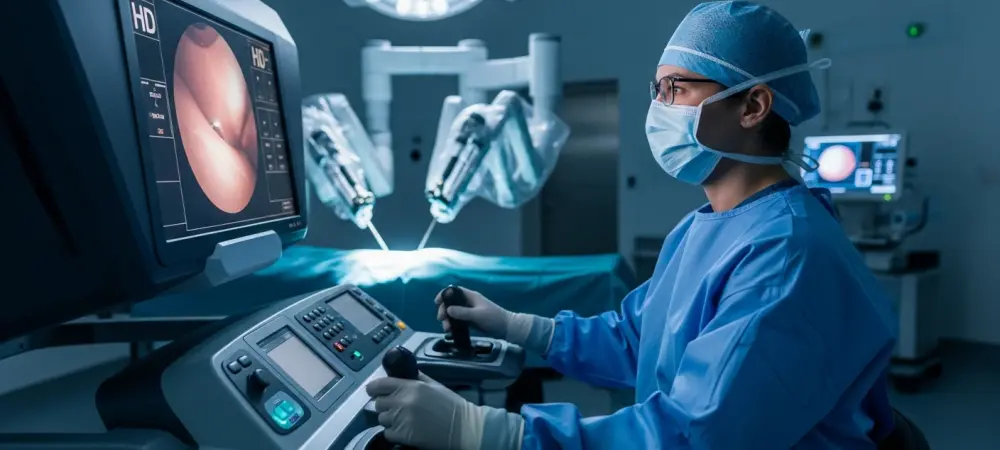
Beyond the examination room, AI is streamlining the cumbersome administrative tasks that have long burdened medical professionals. AI-driven digital scribes, equipped with advanced natural language processing, can listen to doctor-patient consultations and automatically generate comprehensive clinical notes. This single innovation can save a physician up to 10 hours of paperwork each week, freeing them to focus on patient interaction and complex medical decision-making. Simultaneously, in the operating room, AI-powered robotic systems are enhancing surgical precision, allowing for less invasive procedures, minimizing complications, and leading to faster patient recovery. In pharmacology, AI models are also accelerating the arduous process of drug discovery, sifting through vast biological datasets to identify promising candidates and significantly shortening development timelines for new medications.
Insights from the Front Lines: Expert Commentary
A clear consensus is emerging from medical professionals and technology leaders: artificial intelligence is a collaborative partner, not a replacement for human expertise. Experts on the front lines emphasize that AI’s primary role is to augment the skills of clinicians, handling data-intensive and repetitive tasks so that doctors can dedicate their time to critical thinking, patient empathy, and the nuanced art of medicine. This synergistic relationship allows for a more efficient and effective healthcare system where technology enhances, rather than supplants, the human touch.
The impact of AI on physician well-being is another critical area of focus. A significant contributor to physician burnout is the overwhelming administrative workload. By automating tasks such as charting, scheduling, and billing, AI directly addresses this issue, alleviating stress and reducing the risk of burnout-related errors. This allows doctors to reclaim their time and focus on the most meaningful aspects of their work: diagnosing complex conditions and building trusting relationships with their patients. Furthermore, experts highlight AI’s transformative potential in personalizing medicine. By analyzing an individual’s unique genetic, lifestyle, and environmental data, AI can help tailor treatment plans with unprecedented precision, moving healthcare away from a one-size-fits-all approach toward truly individualized care.
Charting the Course: The Future of AI in the Medical Field
The next wave of AI in healthcare is poised to become even more integrated into our daily lives. The proliferation of wearable devices, from smartwatches to continuous glucose monitors, will generate a constant stream of real-time health data. AI systems will analyze this information to provide continuous health monitoring, enabling hyper-personalized preventative care that can predict health issues before they become critical. This shift promises a future where healthcare is not just about treating sickness but about proactively maintaining wellness.
A fully AI-integrated healthcare system also holds the promise of democratizing access to medical expertise. AI-powered virtual assistants and chatbots can provide 24/7 support, answer patient queries, and perform initial symptom assessments, making healthcare more accessible, especially for remote and underserved communities. Remote diagnostic tools, powered by AI, will allow specialists to consult with patients from anywhere in the world. However, this progress is not without its challenges. The journey ahead requires establishing robust data privacy regulations to protect sensitive patient information, actively mitigating algorithmic bias to ensure equitable care for all populations, and carefully navigating the complex ethical considerations of deploying AI in life-or-death decision-making.
Final Diagnosis: AI as a Catalyst for Change
The evidence reviewed made it clear that artificial intelligence has become a powerful catalyst for positive change in healthcare. For physicians, it has enhanced diagnostic accuracy and significantly reduced administrative burdens, allowing them to practice at the top of their license. For patients, AI has ushered in an era of more personalized, accessible, and proactive care, empowering them with greater control over their health. The integration of this technology has moved medicine toward a more predictive and preventative model. The central theme that emerged was that AI’s greatest strength lies in its ability to augment human capabilities, not replace them. The most effective applications of AI have fostered a synergistic partnership between technology and medical professionals, where machine intelligence handles complex data analysis and clinicians provide the essential elements of empathy, intuition, and ethical judgment. Looking forward, the continued and thoughtful integration of AI promised to forge a smarter, more efficient, and deeply compassionate healthcare ecosystem for everyone.