

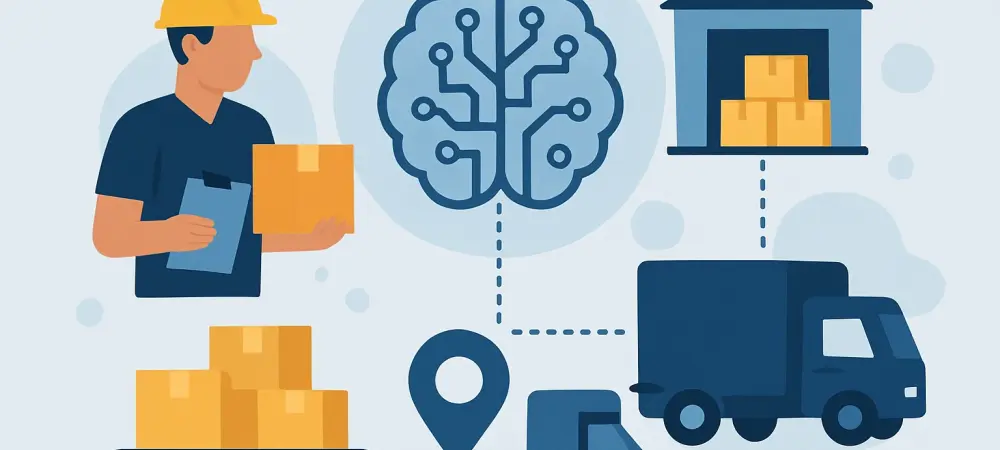
Imagine a distribution industry where orders are processed in seconds, customer inquiries are answered instantly, and profit margins grow despite intense competition. This is no longer a distant vision but a reality driven by artificial intelligence. A recent industry report revealed that over 60% of distributors adopting AI tools have seen operational efficiency improve by at least 30%. This striking transformation underscores how AI is reshaping the sector, tackling long-standing inefficiencies, and setting new benchmarks for speed and accuracy in operations.
The significance of this trend cannot be overstated. Distributors face relentless challenges, including shrinking profit margins and escalating customer expectations for seamless service. AI-powered solutions have emerged as a critical lifeline, enabling companies to streamline processes, reduce errors, and meet modern demands. Staying competitive in today’s fast-paced market increasingly depends on leveraging such technologies to optimize every aspect of the supply chain.
This analysis delves into the rise of AI-driven tools in distribution, spotlighting innovations like Prokeep’s Order Engine. It explores current market trends, real-world applications, expert perspectives, and the future potential of these solutions. Key takeaways will highlight how AI is not just an option but a strategic necessity for distributors aiming to thrive.
The Rise of AI in Distribution Systems
Market Growth and Adoption Trends
The adoption of AI technologies in the distribution sector is accelerating at an unprecedented pace. According to recent studies by industry analysts, the market for AI-driven automation in logistics and distribution is projected to grow by over 25% annually from this year to 2027. This surge reflects a broader shift toward digital tools that address inefficiencies in traditional systems, with many companies reporting significant gains in productivity as a direct result of AI implementation.
Beyond growth projections, tangible benefits are evident in operational metrics. Research indicates that distributors using AI have reduced order processing times by up to 40%, while some have seen revenue increases of 15% or more due to enhanced customer engagement. These statistics highlight how AI tackles pain points like manual errors and slow response rates, delivering measurable value across the board.
A notable trend is the move away from fragmented systems toward unified platforms. Distributors are increasingly seeking integrated solutions that consolidate communications, order management, and marketing efforts into a single interface. This demand for cohesion is reshaping the technology landscape, pushing vendors to develop comprehensive tools that eliminate silos and foster streamlined workflows.
Real-World Implementation Examples
One standout example of AI in action is Prokeep’s launch of its AI-powered Order Engine, unveiled at the National Association of Wholesaler-Distributors (NAW) Innovators Summit. This front-of-house system is tailored for the distribution industry, focusing on automating order processes and enhancing customer interactions. Its debut marked a significant step forward in demonstrating how AI can directly address operational bottlenecks. A pilot program with ABC Supply Co. Inc., a leading national distributor, showcased the tool’s impact. Results from the trial revealed faster response times to customer inquiries, a notable uptick in order volumes, and improved relationship management through centralized branch communications. Automated workflows reduced manual tasks, allowing staff to focus on strategic priorities rather than repetitive processes.
Further illustrating its versatility, Prokeep’s system integrates seamlessly with contractors’ existing technologies, enabling effortless order placement through a unified interface. Partnerships with manufacturers also allow for targeted marketing campaigns, educating the market on new products while driving additional sales. This interconnected approach creates a ripple effect, strengthening ties across the entire ecosystem of distributors, contractors, and manufacturers.
Industry Perspectives on AI-Driven Distribution
The value of AI in distribution is echoed by key industry voices. Jack Carrere, Co-Founder & CEO of Prokeep, emphasized that the Order Engine brings unmatched clarity and speed to operations. He noted that this directly translates into higher order numbers and improved customer satisfaction, as teams can respond swiftly and accurately to client needs.
Tony Vaden, EVP and Chief Information Officer at ABC Supply, highlighted the importance of customer-centric communication enabled by such tools. He pointed out that AI solutions like Prokeep’s create convenient touchpoints for clients, ensuring service remains seamless even during peak demand. This focus on the end user underscores a broader shift toward prioritizing experience in distribution.
Across the sector, there is a growing consensus on the need for unified platforms to combat inefficiencies. Thought leaders consistently argue that disconnected systems hinder scalability and responsiveness. The trend toward integrated, intelligent solutions is seen as essential for distributors to adapt to competitive pressures and evolving market expectations, reinforcing AI’s role as a game-changer.
The Future of AI in Distribution Solutions
Looking ahead, AI holds immense potential to further revolutionize distribution through advancements like predictive analytics for inventory management. Such capabilities could enable distributors to anticipate demand fluctuations with precision, minimizing stockouts or overstock scenarios. Additionally, deeper personalization in customer engagement is expected to become a cornerstone of AI applications, tailoring interactions to individual preferences.
The benefits of these innovations are substantial, promising sustained revenue growth and stronger customer loyalty. However, challenges remain, including the high costs of integrating AI systems into existing infrastructures and the need for comprehensive staff training to ensure effective use. Addressing these hurdles will be critical for widespread adoption and maximizing the technology’s impact.
Long-term implications could reshape the entire supply chain, fostering tighter collaboration between distributors, contractors, and manufacturers. While this interconnectedness offers exciting opportunities, risks such as over-reliance on technology or concerns around data privacy must be carefully managed. Balancing innovation with practical safeguards will determine how effectively AI transforms the industry landscape.
Embracing AI for Distribution Success
Reflecting on the journey, AI-powered solutions like Prokeep’s Order Engine have redefined order management, customer interactions, and revenue generation for distributors. These tools have tackled critical inefficiencies, turning challenges into opportunities for growth. Their impact is evident in faster processes, happier clients, and stronger financial outcomes. As the industry moves forward, the adoption of such technologies proves vital for meeting modern demands and outpacing competitors. Distributors who embrace AI position themselves as leaders in a rapidly evolving market. The path ahead calls for continued investment in scalable, integrated systems to sustain momentum.
Looking to future steps, distributors are encouraged to assess AI tools as strategic assets, prioritizing solutions that align with operational goals. Exploring pilot programs or phased implementations offers a practical way to test impact without overwhelming resources. By staying proactive, companies can build resilience and drive lasting success in an increasingly digital landscape.