

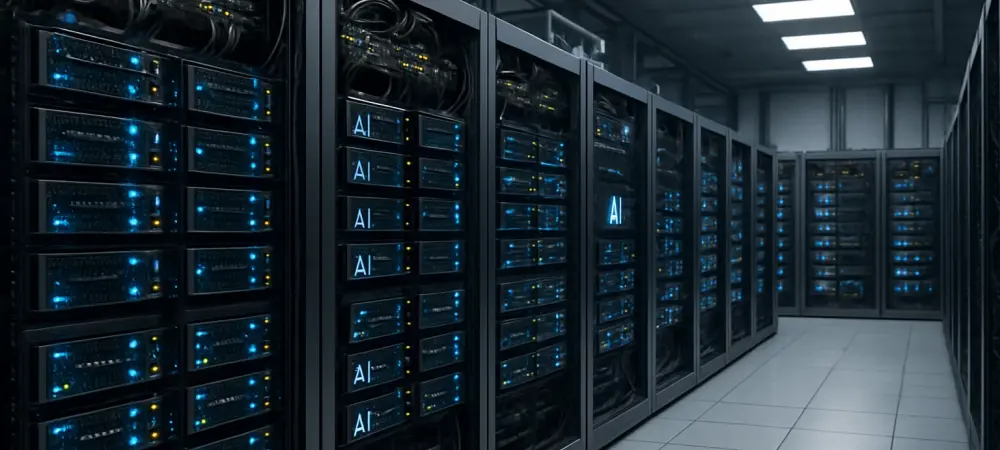
Introduction to AI-Optimized Data Centers
In an era where artificial intelligence is reshaping industries at an unprecedented pace, the backbone of this transformation lies in the infrastructure that powers it, with AI-optimized data centers emerging as the cornerstone of technological progress. These specialized facilities are not merely storage hubs but critical engines driving innovation, enabling groundbreaking research, and fueling economic growth across the globe. As AI workloads demand immense computational power, the rise of tailored data centers marks a pivotal trend in the tech landscape. This analysis delves into the surge of AI-optimized infrastructure, explores real-world examples such as the Lumi ‘AI Factory’ in Finland, incorporates expert insights, projects future developments, and distills key takeaways for stakeholders navigating this dynamic field.
The Surge of AI-Optimized Data Centers
Growth and Adoption Trends
The investment in AI infrastructure is witnessing an extraordinary boom, reflecting the urgent need for high-performance computing to support complex algorithms and data processing. A notable example is the €202 million ($211 million) funding allocated by the European High-Performance Computing Joint Undertaking (EuroHPC JU) for projects like the Lumi supercomputer, underscoring the scale of commitment to this sector. Market reports indicate that the global demand for AI data centers is projected to grow exponentially, with Europe alone expected to see significant expansion in capacity over the coming years due to strategic initiatives aimed at bolstering technological sovereignty.
Beyond regional growth, the strategic importance of these facilities in tech ecosystems cannot be overstated. Industry analyses predict that the AI infrastructure market will continue to attract substantial capital, driven by the escalating need for faster, more efficient computing resources. This trend is evident in the increasing number of specialized data centers being commissioned to handle AI-specific workloads, positioning them as vital assets in maintaining competitive edges across industries ranging from healthcare to finance.
Real-World Implementation: The Lumi ‘AI Factory’ Case Study
A prime illustration of this trend is the Lumi ‘AI Factory’ project in Kajaani, Finland, a collaborative effort between SRV, a leading construction firm, and CSC – IT Center for Science. This initiative focuses on extending the capabilities of the existing Lumi supercomputer by constructing a dedicated facility for AI workloads, thereby enhancing computational resources for cutting-edge research. Situated at the Renforsin Ranta business park, the project represents a significant step toward meeting the specialized demands of AI applications.
The timeline for the Lumi ‘AI Factory’ is ambitious yet meticulously planned, with construction set to begin in early 2026 and operations anticipated to start by spring 2027. During the current development phase, SRV is tasked with crafting detailed technical and implementation plans to evaluate investment potential by year-end. This cooperative project management model, adopted by both entities, ensures a structured approach to achieving project milestones while maintaining flexibility for innovation.
SRV’s expertise in handling complex technical projects, combined with CSC’s vision for advancing scientific computing, highlights the synergy driving this endeavor. SRV has a proven track record with challenging builds, while CSC aims to position the facility as a hub for transformative research. This partnership exemplifies how targeted collaborations are shaping the landscape of AI-optimized infrastructure, setting a benchmark for similar initiatives worldwide.
Industry Perspectives on AI Data Center Development
Insights from industry leaders shed light on the innovative approaches underpinning projects like the Lumi ‘AI Factory.’ Jarkko Salmenoja, unit director at SRV, emphasizes the adoption of a two-stage project management model that prioritizes alignment with cost, schedule, and quality objectives. This method allows for adaptive planning, ensuring that the infrastructure meets the precise needs of AI-driven tasks while mitigating risks associated with large-scale construction.
Kimmo Koski, managing director at CSC, underscores the broader significance of the Lumi ‘AI Factory,’ describing it as a catalyst for top-tier research and sustainable growth. He highlights its role in fostering European collaboration, positioning the facility as a cornerstone for collective advancement in AI and high-performance computing. Such perspectives reflect a shared commitment to leveraging specialized data centers for long-term societal and technological benefits.
Across the industry, there is a growing consensus on the necessity of AI-optimized data centers to address the escalating computational demands of modern applications. Experts argue that these facilities are indispensable for enabling breakthroughs in fields like machine learning and data analytics. The collective viewpoint suggests that without sustained investment in such infrastructure, the pace of innovation risks slowing, underscoring the urgency for continued focus and funding in this domain.
Future Outlook for AI-Optimized Infrastructure
Looking ahead, the design of AI data centers is poised to evolve with advancements in energy efficiency, scalability, and integration with emerging technologies like quantum computing. Innovations in cooling systems and renewable energy adoption are expected to address sustainability concerns, making these facilities more environmentally friendly. Such developments will be crucial as the industry grapples with the dual challenge of performance and ecological responsibility.
Projects like the Lumi ‘AI Factory’ offer immense potential for research and innovation, yet they also face hurdles such as high costs and technological complexity. Balancing these challenges with the benefits of enhanced computational power will be key to their success. Moreover, the environmental impact of constructing and operating large-scale data centers remains a pressing concern, necessitating strategic solutions to minimize carbon footprints.
On a broader scale, the implications for Europe’s competitive standing in AI and high-performance computing are profound. Strengthening infrastructure through initiatives like Lumi can solidify the region’s position against global leaders, provided that investments and policies keep pace with rapid technological shifts. Failure to address these dynamics could risk ceding ground to other regions, making proactive engagement in AI infrastructure development an imperative for sustained growth.
Conclusion and Call to Action
Reflecting on the trajectory of AI-optimized data centers, it is clear that their rise marks a defining moment in technological evolution, with projects like the Lumi ‘AI Factory’ serving as tangible proof of this shift. Industry endorsements and the promise of future innovations further validate the critical role of such infrastructure in global research and development. The journey underscores a transformative period where computational power has become synonymous with progress.
Moving forward, stakeholders are encouraged to prioritize strategic investments in AI infrastructure, focusing on partnerships that blend expertise and vision to overcome inherent challenges. Governments and private entities alike need to champion policies that support sustainable growth in this sector. By fostering an environment conducive to innovation, the tech community can ensure that advancements in AI continue to drive meaningful change across diverse fields.