

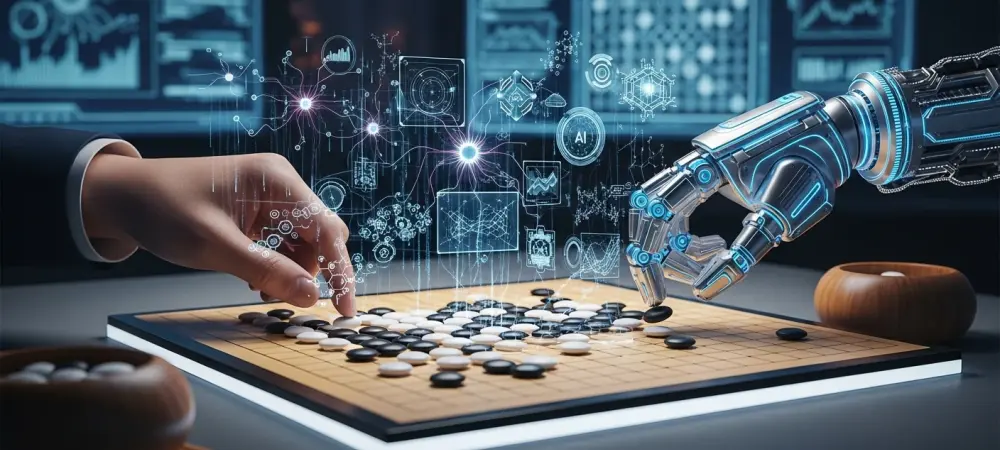
The rapid evolution of artificial intelligence has reshaped the landscape of software development, bringing forth tools that can write code, debug issues, and optimize performance with unprecedented efficiency. Amid this technological wave, Go, a programming language born from Google’s innovation, emerges as a compelling player, poised to harness AI’s potential to redefine how developers build robust systems. Its minimalist design and focus on concurrency have already made it a favorite for scalable applications, and now, with AI integration on the horizon, Go is stepping boldly into a future where human and machine collaboration drives progress. This analysis dives into the trend of AI integration in Go, exploring recent announcements from the Go team, key technical advancements, and the broader implications for developers navigating an ever-changing tech ecosystem.
The Surge of AI in Go Development
Increasing Focus on AI Capabilities
The Go team’s announcement on November 14 marked a pivotal shift, emphasizing AI integration as a core priority for the language’s evolution. Industry trends underscore this direction, with surveys indicating that over 60% of developers now rely on AI tools for tasks like code completion and error detection, a statistic that highlights the growing dependence on such technologies. Go’s commitment to creating “well-lit paths” for AI-assisted development reflects a broader movement across programming languages to embed machine intelligence seamlessly into coding workflows.
This strategic focus aims to ensure that developers using Go can leverage AI without friction, blending human creativity with algorithmic precision. The Go team is working to adapt the platform, making it conducive for both programmers and AI assistants to collaborate effectively. While specifics remain under wraps, this initiative signals a proactive approach to meeting modern demands, positioning Go as a leader in the AI-driven coding paradigm.
The emphasis on AI also aligns with the need for tools that enhance productivity in fast-paced development environments. By prioritizing support for AI coding assistants, Go is not only responding to current trends but also anticipating future needs, ensuring that developers have access to cutting-edge resources. This move is a testament to the language’s adaptability in a competitive tech landscape.
Practical Uses of AI with Go
AI integration in Go opens up a spectrum of practical applications, from streamlining debugging processes to automating code generation. Imagine an AI assistant embedded within a Go development environment, instantly identifying inefficiencies in concurrent code or suggesting optimized goroutine patterns. Such tools could significantly reduce the time spent on repetitive tasks, allowing developers to focus on higher-level design challenges.
Emerging examples, though still in early stages, point to the potential of AI in enhancing Go projects. Hypothetical scenarios include open-source initiatives where AI tools analyze codebases for outdated libraries and propose modern alternatives, or companies deploying AI to predict performance bottlenecks in Go-based microservices. As these use cases mature, they are likely to provide concrete evidence of AI’s transformative impact on productivity within the Go ecosystem.
Beyond individual developer benefits, AI in Go could foster collaborative innovation by enabling teams to tackle complex system architectures more efficiently. For instance, AI-driven insights might guide the design of scalable applications, ensuring robust performance under heavy loads. These possibilities underscore the exciting prospects of marrying AI capabilities with Go’s inherent strengths in concurrency and simplicity.
Expert Insights on AI and Go’s Trajectory
The integration of AI into Go has sparked thoughtful discourse among industry leaders and community contributors, many of whom view it as a game-changer for developer workflows. A common sentiment in tech blogs and forums is that AI could elevate Go’s appeal by making it more accessible to novices while empowering seasoned developers with advanced tools. This optimism is tempered by a recognition of the need for careful implementation to maintain the language’s hallmark simplicity. Experts also caution against over-reliance on AI, highlighting the importance of human oversight to ensure code quality and ethical considerations. Discussions in the Go community often emphasize balancing automation with critical thinking, noting that AI should augment rather than replace a developer’s judgment. This dual perspective reflects a nuanced understanding of how AI can reshape coding practices without undermining the core skills of programmers.
Another recurring theme is the potential for AI to redefine productivity benchmarks in Go development. Thought leaders suggest that as AI tools become more sophisticated, they could help address longstanding challenges like debugging complex concurrent systems, a domain where Go excels. This blend of enthusiasm and caution paints a picture of a community eager to embrace innovation while remaining grounded in practical realities.
Future Prospects: AI and Go’s Expanding Frontiers
Looking ahead, AI integration in Go holds the promise of revolutionizing development processes by automating mundane tasks and fostering innovation in areas like system automation and scalability. The ability of AI to analyze vast codebases and suggest optimizations could lead to faster iteration cycles, enabling developers to build more resilient applications in less time. This trend could position Go as a go-to language for cutting-edge projects requiring both performance and efficiency.
However, challenges loom on the horizon, particularly around ensuring that AI tools remain accessible to all developers and adhere to ethical standards. Concerns about data privacy and the risk of biased algorithms must be addressed to maintain trust in AI-driven development. Balancing these issues with the benefits of enhanced productivity and reduced error rates will be crucial for the Go team as they refine their approach to AI integration.
Complementing this trend are other significant updates in Go’s roadmap, such as the overhaul of the go fix command, the Green Tea garbage collector, and SIMD support planned for the Go 1.26 release in February 2026. These advancements, alongside AI initiatives, aim to boost performance and modernize the language, ensuring it remains competitive in handling massive multicore systems and complex workloads. Together, these developments signal a holistic strategy to keep Go at the forefront of programming innovation.
Final Reflections: Go’s Bold Step into AI-Enhanced Coding
Reflecting on the journey, the Go team’s dedication to embedding AI into its ecosystem stood out as a defining moment, alongside impactful updates like the revamped go fix command and performance-focused enhancements. This strategic pivot toward AI-driven development underscored Go’s adaptability, ensuring it remained a vital tool for developers amid rapid technological shifts. The modernization efforts cemented its relevance in a landscape hungry for efficiency and innovation. Looking forward, developers are encouraged to dive into Go’s evolving features, experimenting with AI tools as they emerge in upcoming releases. Staying engaged with the community and tracking these advancements offers a pathway to harness the full potential of AI-enhanced coding. This proactive approach promises to unlock new opportunities, shaping the next chapter of software development with Go at its core.