

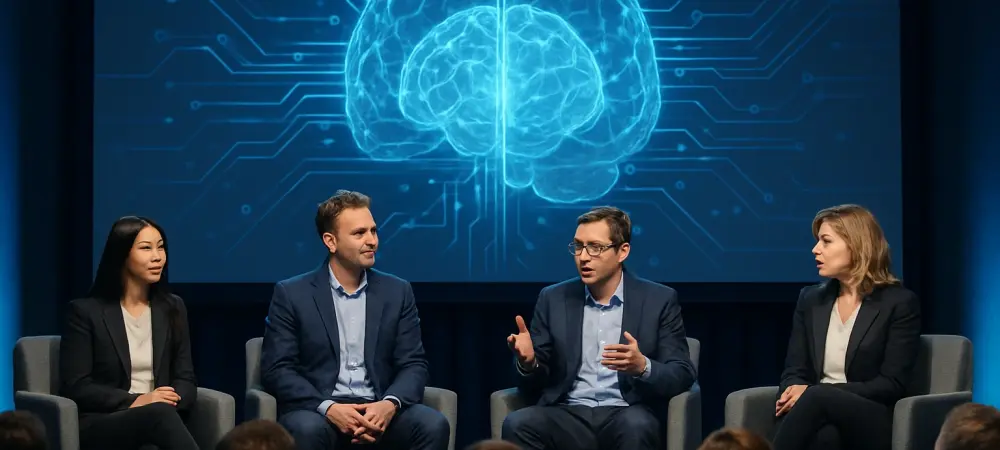
In an era where public relations professionals juggle an ever-expanding array of responsibilities, artificial intelligence emerges as a transformative force, poised to redefine the management of complex tasks like events and awards programs. Picture a PR team drowning in spreadsheets, racing against deadlines, and spending hours on manual research—now imagine a tool that automates these burdens, freeing up time for strategic creativity. This is no longer a distant dream but a reality taking shape in the PR landscape, where AI is becoming indispensable for navigating the challenges of a dynamic media ecosystem. This analysis delves into the rise of AI in PR events management, spotlighting innovative platforms, real-world applications, expert perspectives, and the future trajectory of this game-changing trend.
The Rise of AI in PR Events Management
Growth and Adoption Trends
The integration of AI into public relations is accelerating at a remarkable pace, with industry reports indicating a significant uptick in adoption. Recent surveys suggest that over 60% of PR agencies and professionals have incorporated automation tools into their workflows as of this year, a clear signal of the technology’s growing relevance. This shift is driven by the sheer volume of administrative tasks—such as tracking event deadlines and researching award opportunities—that consume up to 40% of a PR specialist’s time, according to industry studies. The demand for efficiency has never been more urgent, as teams strive to balance expanding workloads with the need for impactful results.
Beyond raw numbers, the market for AI-driven solutions in PR is witnessing explosive growth, evidenced by the enthusiastic reception of new platforms. A prime example is the launch of PRVIEW at TechCrunch Disrupt this year, where it was featured in the Startup Battlefield 200, garnering attention from investors and industry leaders alike. Such milestones underscore a broader trend: AI is no longer a novelty but a critical tool for addressing inefficiencies, particularly in the niche of events and awards management, where manual processes have long dominated.
Real-World Implementation: PRVIEW’s AI Platform
At the forefront of this trend is PRVIEW, an AI-powered platform engineered to streamline the intricate process of managing events and awards. Equipped with features like Deadline Radar for real-time deadline monitoring and Smart Analytics for performance insights, PRVIEW offers a comprehensive solution to age-old PR challenges. Its Awards & Speaking Database, covering opportunities across more than 80 industries, eliminates the need for tedious manual research, saving professionals countless hours and ensuring no opportunity slips through the cracks.
The practical impact of PRVIEW is evident in specific use cases that highlight its value. For instance, a mid-sized agency using the platform can instantly access curated speaking engagements in sectors like technology or healthcare, tailoring submissions with precision through automated workflows. Beta user feedback reveals that Client Workspaces have transformed campaign tracking by centralizing data into intuitive dashboards, fostering seamless collaboration among team members and reducing communication gaps.
Moreover, hypothetical scenarios further illustrate the platform’s potential to revolutionize workflows. Consider a PR team managing multiple client campaigns simultaneously; PRVIEW’s task management templates guide them through each submission stage, while automated alerts prevent missed deadlines. This level of organization not only boosts efficiency but also enhances accountability, setting a new standard for how PR teams operate in high-pressure environments.
Industry Perspectives on AI-Driven PR Tools
The adoption of AI in PR has sparked a range of opinions from industry leaders who recognize both its promise and its challenges. Lisa Ann Pinkerton, CEO of PRVIEW, emphasizes the critical need for automation in an era where workloads continue to grow due to evolving media landscapes and generative engine optimization. She argues that tools like PRVIEW allow professionals to shift their focus from mundane tasks to strategic storytelling, which remains at the heart of effective PR.
Complementing this view, Julien Adler, CTO of PRVIEW, advocates for practical, niche-focused AI solutions over broad, flashy technologies. He highlights that the true value of AI lies in tangible improvements to daily workflows, such as automating deadline tracking or providing actionable win/loss insights. This perspective prioritizes utility, ensuring that technology serves as a reliable partner rather than a distracting gimmick in the fast-paced world of public relations.
Broader industry sentiment aligns with these insights, as thought leaders underscore AI’s role in enhancing productivity while acknowledging hurdles like data privacy and adoption resistance. A prominent PR consultant recently noted that while AI can significantly boost accountability through data-driven metrics, firms must balance automation with human oversight to maintain authenticity in client relationships. Such discussions reinforce the credibility of AI as a transformative trend, even as they call attention to the need for thoughtful integration.
Future Implications of AI in PR Events Management
Looking ahead, the evolution of AI tools like PRVIEW could extend far beyond events and awards, potentially reshaping other PR workflows such as media outreach or crisis management. As platforms become more sophisticated, they might integrate predictive analytics to anticipate media trends or automate personalized pitching strategies. This expansion could redefine how PR professionals allocate their time, pushing the boundaries of what technology can achieve in strategic communication.
The anticipated benefits of this trend are substantial, promising greater efficiency and reduced stress for teams burdened by administrative overload. With data-driven insights like win/loss reporting, campaigns can be optimized in real time, leading to improved outcomes and stronger client satisfaction. Furthermore, the centralization of tasks through AI platforms is likely to enhance collaboration across global teams, setting a higher standard for campaign execution in an increasingly connected industry.
Nevertheless, challenges remain on the horizon, including barriers to adoption among traditional firms and concerns over data privacy in AI systems. There is also the risk of over-reliance on automation, which could diminish the human touch that defines PR. Despite these hurdles, the positive impact on industry innovation appears undeniable, as AI tools push for higher standards of transparency and performance, encouraging firms to adapt or risk falling behind in a tech-driven market.
Conclusion: Embracing AI for PR Innovation
Reflecting on the journey of AI in PR events management, it becomes clear that this technology has already started to carve a significant niche by tackling long-standing inefficiencies. Platforms like PRVIEW stand out as pioneers, offering tailored solutions that resonate with professionals overwhelmed by administrative demands. Expert voices echo a shared optimism, tempered by calls for cautious integration, while future possibilities hint at even broader applications. Moving forward, PR teams are encouraged to take proactive steps by exploring beta programs like PRVIEW’s, gaining early access to cutting-edge tools that could redefine their workflows. Staying ahead in this tech-driven landscape demands a willingness to experiment with automation, ensuring that strategic focus remains paramount. As the industry continues to evolve, embracing AI promises not just survival but a chance to thrive amidst complexity.