

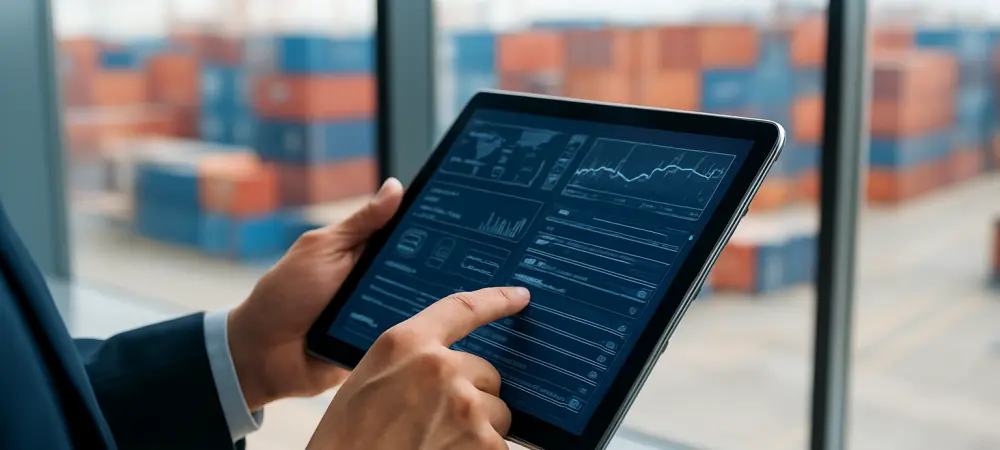
The traditional image of a bustling port defined by stacks of paper and manual stamps has been permanently replaced by a landscape of invisible algorithms and high-speed data streams that scan global supply chains with terrifying precision. As global supply chains grow increasingly complex, the shift from manual oversight to artificial intelligence is no longer a luxury but a national security imperative. This technological transition represents a fundamental move toward a world where a single shipping container no longer generates a mountain of paperwork tall enough to rival the goods inside; instead, that entire mountain of data vanishes into a split-second digital calculation.
This trend examines the metamorphosis of U.S. Customs from a focus on trade facilitation to high-tech enforcement. By integrating predictive algorithms into supply chain monitoring, the federal government has created a new standard for regulatory oversight. However, this progress has simultaneously sparked an emerging arms race between regulators and sophisticated fraudsters who use similar technologies to hide their tracks. This evolution signifies a broader strategic pivot that prioritizes national security and ethical compliance over the simple speed of commerce.
The Digital Metamorphosis of Customs Operations
Quantifying the Transition from Paper to Automated Data
The historical shift from analog typewriters and redundant manual entry to high-speed digital streams has effectively eliminated the administrative friction that once defined international trade. For decades, the movement of goods was governed by a labor-intensive process where every entity in the supply chain had to retype information to ensure matching figures across ports, shipping lines, and trucking companies. This legacy system was slow, prone to human error, and highly vulnerable to manipulation.
Current data indicate a definitive move away from the traditional six-invoice reconciliation process. In this modern framework, artificial intelligence replaces human agents in verifying and cross-referencing figures across multiple disparate platforms. Statistics reflect a growing reliance on the Automated Commercial Environment to manage regulatory nets. For instance, the government has used these automated systems to deactivate dormant Importer of Record numbers that have not been used for over a year, preventing bad actors from hijacking old credentials to slip illicit goods past the border.
Operational Case Studies in High-Speed Verification
In the current commercial environment, artificial intelligence acts as a form of digital grease that accelerates the verification of trade documentation. Proprietary systems now automatically release payments to vendors by verifying invoices against agreed-upon service rates at speeds that were previously impossible. This automation reduces the need for human intervention in routine tasks, allowing customs officials to focus their energy on more complex investigations.
A prime example of this technology in action is the use of proprietary databases, such as those managed by Exiger, to solve the puzzle of complex textile supply chains. In the cotton industry, where fibers move through various countries for picking, spinning, and sewing, AI can detect illicit transshipments that a human inspector would likely miss. U.S. Customs and Border Protection now utilizes algorithmic scores to identify shipments likely tainted by forced labor. These high-speed verifications provide a level of precision that makes it increasingly difficult for unethical producers to hide behind layers of shell companies and indirect shipping routes.
Strategic Enforcement and Industry Perspectives
The Pivot Toward High-Tech Enforcement
The evolution of the U.S. Customs and Border Protection agency reflects a transition from a commerce cheerleader to a rigorous, AI-empowered enforcement agency. Trade veterans like Cameron W. Roberts have observed that while the agency once focused primarily on facilitating the flow of goods, its primary mandate has shifted toward protecting the integrity of the domestic market. This pivot is supported by a rare political consensus in Washington that favors using technology to combat forced labor and safeguard American manufacturing from unfair competition.
This enforcement-first posture is not merely a policy choice but a response to the growing complexity of global logistics. By employing advanced screening tools, the government can maintain a high-pressure regulatory environment without completely grinding international commerce to a halt. The use of artificial intelligence allows for a more surgical approach to inspections, where only high-risk shipments are detained, while legitimate cargo moves through the system with minimal delay. This strategic shift ensures that the speed of modern trade does not come at the cost of ethical or legal standards.
Perspectives on Interoperability and Small Business Inclusion
Despite the clear benefits of automation, leaders like Simona Filip Racek emphasize the critical need for trust and interoperability among various digital platforms. The current landscape is often fragmented, with different ports and countries using incompatible software, which can lead to digital silos. For artificial intelligence to be truly effective on a global scale, these systems must be able to communicate seamlessly. Without such interoperability, the benefits of high-speed trade remain locked within the systems of major corporations.
Furthermore, there is a persistent challenge in ensuring that AI-driven trade remains accessible to small and medium-sized enterprises. If the cost of complying with high-tech customs requirements becomes too burdensome, smaller businesses may find themselves priced out of the global market. The goal of current technological development is to democratize commerce by making these tools affordable and easy to use, rather than simply automating the existing advantages of large-scale importers. True progress in trade enforcement must balance the need for security with the necessity of an inclusive economic environment.
The Future Landscape: An Algorithmic Arms Race
Emerging Threats and AI-Driven Deception
As the government sharpens its digital tools, a cat-and-mouse game has emerged between regulators and sophisticated criminals. Fraudsters are increasingly utilizing artificial intelligence to forge digital bills of lading and simulate legitimate shipping patterns to deceive customs software. This represents a new frontier of deception where the fraud is not contained in a physical box but in the digital trail that precedes it. Criminal networks are now capable of creating entire fake supplier networks that look perfectly legitimate to automated tracing systems.
The rise of AI-generated evidence poses a significant threat to the integrity of global trade. These sophisticated actors can mask a product’s true country of origin by generating a convincing history of transactions and logistics movements. This ongoing struggle suggests that the border of the near future will function as a digital battlefield. In this arena, government algorithms will constantly clash with fraudulent software, with each side attempting to outmaneuver the other in a high-stakes struggle to either reveal or obscure the reality of global goods.
Long-Term Implications for Global Ethics and Economics
Artificial intelligence will fundamentally reshape the ethical frameworks of international trade by making unethical practices like forced labor nearly impossible to hide for extended periods. As traceability improves, the window of opportunity for bad actors to exploit vulnerable populations shrinks. This shift creates a global marketplace where ethical compliance is a prerequisite for entry, rather than an optional corporate social responsibility goal. The border is no longer just a physical line but has become a high-tech interrogation room where data must prove its own legitimacy.
However, the dual nature of AI as both a tool for democratizing commerce and a weapon for aggressive trade protectionism cannot be ignored. While these technologies enhance security, they can also be used to create invisible barriers to trade under the guise of enforcement. The long-term economic impact of this trend will depend on how countries balance these competing interests. The reality of global trade is becoming one of near-instantaneous transactions for the compliant and indefinite delays for the suspicious, creating a binary system of participation in the world economy.
Conclusion
The transition from labor-intensive analog systems to a streamlined, AI-driven enforcement model prioritized both national security and ethical compliance. Organizations that successfully navigated this period realized that while technology accelerated the flow of physical goods, its primary value resided in the ability to enforce complex trade laws with unprecedented precision. The global marketplace effectively moved past the era of manual oversight, replacing it with a sophisticated digital infrastructure that demanded transparency from every participant in the supply chain.
Businesses that survived this shift were those that adopted transparent, tech-forward supply chain practices to withstand constant algorithmic scrutiny. The implementation of high-speed verification and predictive monitoring forced a new level of accountability upon manufacturers and importers alike. As the digital battlefield between regulators and fraudsters continued to evolve, the necessity for robust, interoperable data became the cornerstone of international commerce. Ultimately, the integration of artificial intelligence into global trade enforcement proved to be a permanent transformation of the economic landscape.