

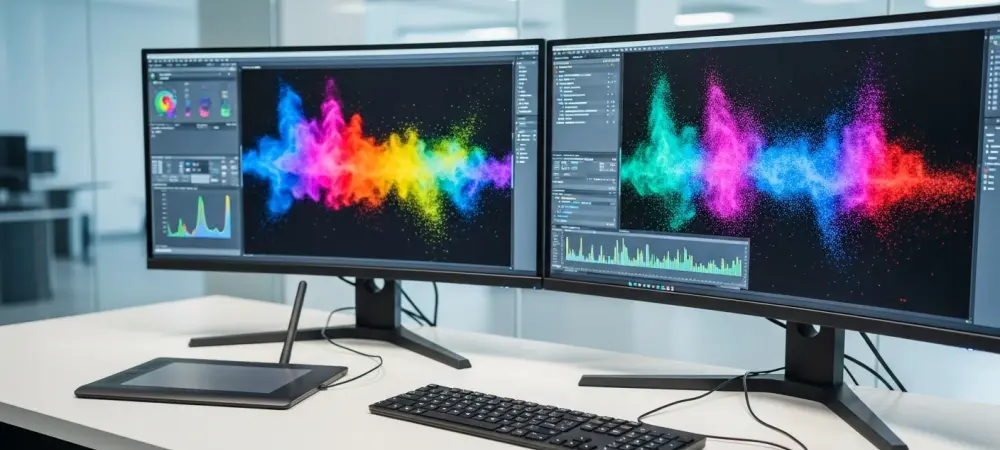
The digital landscape is currently witnessing a profound transformation where high-fidelity social media feeds are being reimagined through the lens of artificial intelligence, turning ordinary snapshots into cinematic masterpieces. As traditional celebrations converge with cutting-edge technology, the emergence of multimodal AI tools like Google Gemini has lowered the barrier to high-end photography. This shift allows users to celebrate their cultural heritage through hyper-realistic, digitally enhanced imagery that was once the exclusive domain of professional studios.
This analysis explores the surge in AI-generated festival content, focusing on the technical mechanics of prompt engineering for events like Holi. Beyond the surface-level aesthetic, the movement reflects deeper changes in digital identity and creative expression. By examining expert views and long-term implications, it becomes clear that these tools are not just filters but are becoming the new standard for how milestones are shared and archived in a globally connected world.
The Growth of AI-Enhanced Cultural Expression
Data Trends and the Adoption of Multimodal AI
Recent engagement metrics indicate a significant spike in AI-generated portraits during major cultural windows such as Holi and Valentine’s Day. This viral trajectory suggests that users are moving away from static filters toward generative platforms that offer deeper personalization. Statistics reflect a growing preference for tools that can synthesize complex environments while maintaining the user’s likeness, signaling a shift in how digital personas are constructed during peak social seasons.
Search volumes for terms like “AI prompt engineering” and “facial preservation” have reached new highs as the audience seeks more sophisticated outputs. There is a clear demand for quality over novelty; users no longer want a cartoonish approximation of themselves but rather a professional-grade render. This data suggests that the integration of AI into personal storytelling is transitioning from a niche hobby into a mainstream expectation for digital social interaction.
Real-World Applications: From Street Style to High Fashion
Google Gemini represents a major use case in this movement, as its multimodal capabilities allow it to simulate complex physics such as mid-air powder particles and water splashes. Users are now able to toggle between “Street-Style Action” shots in sunlit alleys and “High-Key Editorial” portraits with minimalist backgrounds. This versatility ensures that the digital output matches the specific personal brand or aesthetic the user intends to project to their followers. A critical evolution in this space is the rise of “Zero-Modification” prompts which prioritize identity preservation. By providing the AI with a high-resolution base image and strict instructions, users can achieve atmospheric changes without altering their core facial features. This technical precision ensures that the resulting image remains authentic to the individual, even as the environment around them is transformed into a dramatic, rain-soaked, or color-splashed celebration.
Industry Perspectives on the Generative Portrait Movement
Digital artists suggest that AI is democratizing professional-grade photography for the average smartphone user by removing the need for expensive equipment. This shift allows anyone to experiment with lighting, depth of field, and composition through text-based commands. However, thought leaders emphasize that maintaining cultural authenticity requires a high level of prompt precision to avoid distortion or stereotypical representations that can occur with less sophisticated models.
Professional photographers are also reflecting on this transition from capturing moments to “prompting” them. While some view it as a challenge to traditional craft, others see it as a supplementary tool that allows for creative directions that would be physically impossible or too messy to execute in a studio. The industry is beginning to recognize that the future of photography lies in a hybrid model where the human eye provides the vision and the AI provides the technical execution.
The Future of AI in Global Celebrations
Technological advancements are expected to further refine liquid and particle physics, leading to even more immersive and realistic festival renders. As AI models become better at understanding the nuances of different global traditions, we will likely see a broader cultural impact where every major milestone is accompanied by a curated digital twin of the event. This creates a new standard for archiving memories, where the emotional essence of a celebration is captured with cinematic clarity.
Despite the excitement, challenges regarding digital authenticity and the “uncanny valley” effect remain prominent. There is a delicate balance between creative enhancement and the preservation of reality that users must navigate. Looking further ahead, these generative portraits might soon integrate with augmented reality, allowing for real-time festival experiences where AI-generated overlays and effects are visible through smart glasses or mobile devices as the event unfolds.
Summary of the AI Festival Portrait Trend
The rise of tools like Google Gemini has redefined the visual language of cultural celebrations by making technical sophistication accessible to a global audience. These AI-generated portraits have moved beyond a temporary trend to become a mainstream method of digital storytelling. The ability to blend personal identity with hyper-realistic environmental effects has changed the expectations for social media content, pushing creators to master the art of the prompt.
Navigating this new creative landscape required a shift in how users perceive their own digital presence. As the technology matured, the focus transitioned from simple experimentation toward a more intentional use of AI to enhance human connection and heritage. Moving forward, the necessity of mastering these generative tools will be vital for anyone looking to stay relevant in a social landscape that increasingly values a blend of authentic identity and high-end digital artistry.