

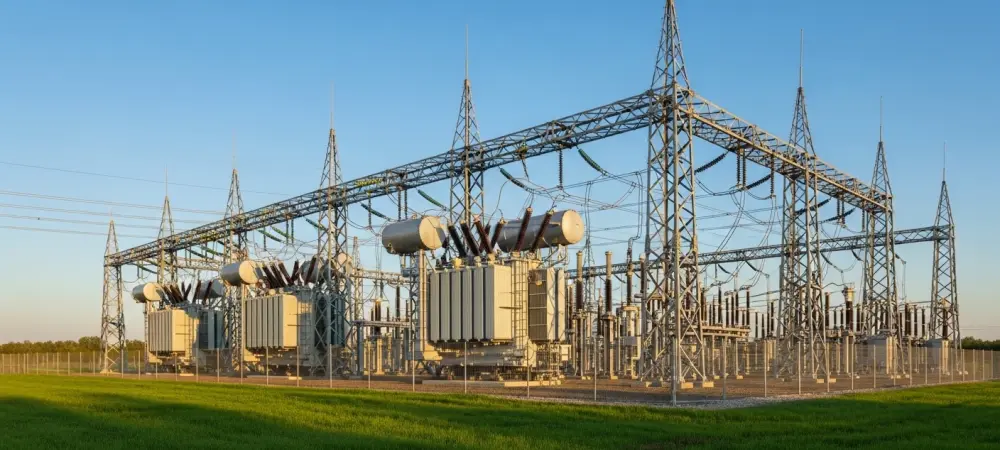
The relentless hunger of global artificial intelligence processing is currently colliding with the quiet permanence of the American agricultural landscape, sparking a fierce battle over who owns the future of the nation’s power grid. This high-stakes encounter finds its focal point on a 237-year-old Tennessee family farm, where the insatiable energy demands of the global AI boom meet centuries of tradition. As AI data centers proliferate, they force a massive and often controversial expansion of power infrastructure across rural America. This analysis examines the statistics driving utility growth, the real-world conflict between federal entities and private landowners, and the emerging strategies used to balance industrial modernization with historic preservation.
The Industrial Surge: Quantifying the Data Center Boom
Statistics and Growth Trends in Digital Infrastructure
Tennessee has become a primary battlefield for this digital expansion, currently hosting approximately 60 data centers. Major tech corporations, including Google and Elon Musk’s xAI, have committed massive investments to the region, drawn by the Tennessee Valley Authority’s historical reliability. However, these “AI-hungry” facilities require energy at a scale far exceeding traditional industrial power consumption, straining existing resources. Consequently, the TVA infrastructure roadmap now includes an aggressive schedule for high-voltage transmission corridors to keep pace with the exponential surge in demand through the end of the decade. The sheer volume of electricity required for high-performance computing has fundamentally altered the utility landscape. Modern data centers often consume as much power as small cities, necessitating a complete rethink of how energy is moved across state lines. While the digital economy thrives on invisible clouds, the physical reality requires massive steel towers and wide clearings through forests and fields. This disconnect between the digital service and its physical footprint has created a new era of industrialization in areas previously untouched by heavy utility development.
From Silicon Valley to Rural Tennessee: The Gregory Farm Case Study
The most poignant example of this friction involved the Gregory family’s 650-acre historic farm, a property held since 1787. The TVA proposed a 100-foot-wide power line corridor that would have bisected the land, threatening a vital creek crossing and an outdoor classroom used to educate hundreds of children annually. This utility expansion posed a direct threat to a multi-generational agricultural legacy and local ecosystems. Following intense public pressure, a resolution was reached in March when advocacy forced the utility giant to pivot toward alternative routes that bypassed the historic site.
This victory was not merely a local triumph but a signal of changing public sentiment regarding land use. The Gregory farm, originally established by a Revolutionary War veteran, represented the deep cultural roots that many rural communities feel are being sacrificed for technological convenience. The conflict underscored the fact that for many landowners, the value of the land is measured in heritage and ecology rather than the megawatt-hours it can support.
Expert Perspectives on Systemic Power Imbalances
Legal experts point to significant bureaucratic hurdles that private citizens face when challenging federal utility entities. Historically, the scales have tipped toward industrial growth, leaving landowners vulnerable to eminent domain and dismissive attitudes from utility officials. The Gregory family initially encountered a lack of transparency and a corporate culture that questioned the legitimacy of their land-use programs. This systemic imbalance highlighted the difficulty of protecting private property rights against the perceived necessity of national technological advancement. In response, the “Gregory Playbook” represented a shift in defensive strategy. Rather than relying solely on legal filings, the family utilized viral public relations and celebrity-backed advocacy to shift the narrative. By securing support from figures like John Rich and utilizing social media to build a national audience, they successfully leveled the playing field. This strategy addressed the current legislative gaps in Tennessee, where the absence of comprehensive state regulations often leaves communities without a voice during the site-selection process for major energy projects.
Future Outlook: The Evolution of Land Use and Modernization
Looking ahead, the friction between the digital economy’s physical requirements and rural preservation will likely intensify. As the grid evolves to meet the speed of AI development, the demand for land will only grow, making the protection of historic landmarks a volatile political issue. New regulatory frameworks are essential to provide transparency and ensure that tech giants and utilities engage in meaningful community consultation. Without such protections, the risk of industrial overreach remains a constant threat to the cultural heritage of the landscape. The rise of “viral advocacy” is poised to become a standardized tool for community resistance. While digital infrastructure remains essential for modern progress, the success of the Gregory family demonstrated that public shaming and political pressure can effectively check the power of federal utilities. Future projects will need to navigate a more sophisticated landscape of resistance where local heritage is defended with the same digital tools that the data centers themselves facilitate. This dynamic creates a necessity for a more collaborative approach to grid modernization.
Conclusion: Balancing Innovation with Legacy
The victory of the Gregory family provided a critical lesson on the intersection of AI growth and property rights. It served as a reminder that while innovation was necessary, it could not proceed through unaccountable expansion that ignored the value of cultural heritage. Collaborative planning between tech firms and local communities emerged as the only sustainable path forward. The resolution suggested that the preservation of legacy and the pursuit of progress were not mutually exclusive if handled with mutual respect. Public policy began to shift toward requiring greater utility transparency before corridors were finalized. Stakeholders recognized that the speed of the AI boom required a more ethical framework for land acquisition. Moving forward, the focus remained on building a grid that respected the history of the land it traversed.