

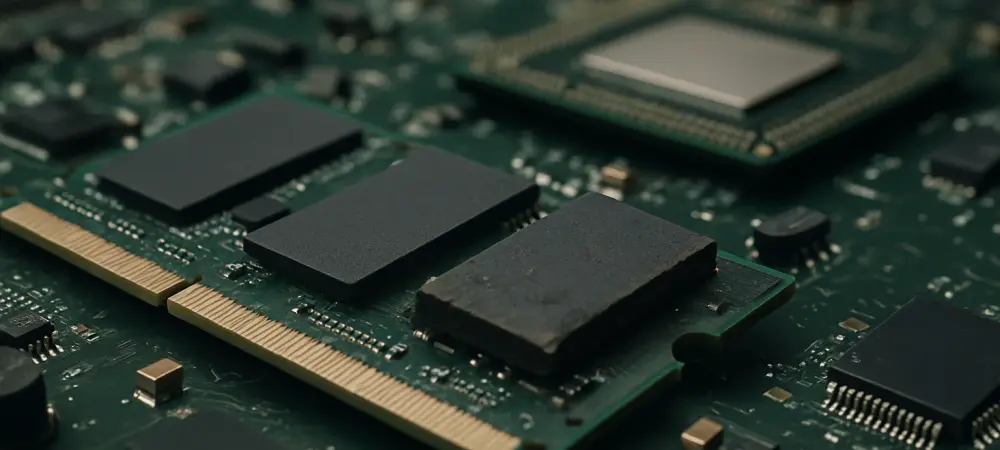
Unconfirmed yet persistent whispers from industry insiders suggest Nvidia might be preparing to slash production of its highly anticipated GeForce RTX 50 series GPUs by a staggering 40%, a potential decision that threatens to disrupt the entire PC gaming ecosystem. This is not merely an issue of graphics card availability; it is the most prominent symptom of a far larger trend. The explosive growth of the artificial intelligence sector is actively consuming the world’s high-performance memory, creating a global shortage with far-reaching consequences for consumers and corporations alike. This analysis will dissect the root causes of this memory crunch, detail its tangible impact on major technology companies, and project how this unprecedented supply chain strain will shape the future of technology.
The Anatomy of the Memory Supply Crisis
Surging AI Demand Creates a Bottleneck
The voracious appetite of the artificial intelligence sector for high-bandwidth DRAM and NAND is overwhelming major memory manufacturers like Samsung and SK Hynix. As data centers and AI firms place massive orders to power their next-generation models, the available supply is being redirected away from the consumer markets that have long been the industry’s foundation. This sudden, immense demand has created a bottleneck that the existing production infrastructure cannot accommodate. According to industry sources, this memory shortage is projected to persist and potentially worsen through 2027 or 2028 as the global AI arms race continues to intensify. The problem is further compounded by component choices for upcoming products. Nvidia’s own adoption of cutting-edge GDDR7 memory for its RTX 50 series, while a technological leap, further constricts an already limited and highly contested supply, pitting its own consumer and enterprise divisions against each other for critical resources.
The Domino Effect on Consumer Electronics
Leaked reports indicate a potential 30-40% production cut for Nvidia’s RTX 50 series in 2026, a move that would primarily affect popular mid-range models such as the RTX 5070 Ti and 5060 Ti. Consequently, this resource reallocation could also lead to significant delays or the outright cancellation of the planned RTX 50 Super series refresh, leaving consumers with fewer options and a longer wait for performance upgrades.
The real-world impact of this shortage extends far beyond a single company. Competitor AMD is widely expected to raise prices on its own products to offset the soaring costs of memory components. The ripple effect will also be felt across the broader consumer electronics landscape, potentially leading to new smartphones and laptops launching with less RAM and a notable price hike for anticipated devices like the upcoming Nintendo Switch 2.
Industry Insights on Supply Chain Pressures
Analysts citing sources within the Asian supply chain believe that GPU manufacturers are being forced into a difficult choice between two markets: the high-margin, high-demand AI sector and the lower-margin, traditional consumer graphics sector. In this new economic reality, artificial intelligence is the clear priority, and production capacity is being allocated accordingly.
The consensus among industry insiders is that the fundamental economics of the semiconductor market have shifted. Memory manufacturers can now command premium prices from data center and AI clients, who are willing to pay more to secure the components they need. This leaves the consumer product divisions at companies like Nvidia and AMD to compete for what are essentially expensive leftovers, disrupting decades of established supply and demand dynamics.
This trend is forcing a significant strategic pivot across the industry. Companies may now intentionally limit the production of consumer goods that require large amounts of VRAM, not because of a lack of demand, but to conserve those precious memory resources for more profitable AI accelerators. It marks a fundamental change in how consumer product roadmaps are developed and executed.
The Future Outlook: A New Era of Scarcity
In the long term, this pressure may accelerate innovation, pushing the industry toward more memory-efficient software and advanced chiplet designs that optimize resource usage. However, in the short term, the prioritization of AI hardware is expected to continue unabated, solidifying the current market dynamics where consumer needs take a backseat to enterprise demands.
For the average buyer, the forecast is challenging. Consumers can expect higher prices, reduced availability of high-performance components, and potentially less impressive generational leaps in memory specifications for non-AI products. The era of abundant and affordable VRAM that fueled the PC gaming boom appears to be over, replaced by a new reality defined by scarcity and premium pricing. This trend signals a broader power shift within the semiconductor industry, elevating memory producers to a more influential position. Moreover, it could slow the pace of innovation in the consumer technology space while simultaneously accelerating it in the AI sector, creating an ever-widening performance gap between enterprise and consumer hardware.
Conclusion: Adapting to the New Tech Landscape
An unprecedented demand for high-performance memory, driven by the AI revolution, is causing a global supply shortage that is reshaping the technology industry. This scarcity directly impacts the production, pricing, and availability of next-generation consumer electronics, from the most powerful Nvidia and AMD GPUs to gaming consoles and everyday smartphones. This AI-driven memory shortage is not a temporary disruption but a long-term market realignment. It fundamentally reshapes an industry that was built on the assumption of an ever-increasing and readily accessible supply of components. The new landscape requires a recalibration of expectations for manufacturers and consumers alike.
With worsening availability and rising prices on the horizon, the upcoming holiday season may represent a critical window. For consumers considering an upgrade, this period could be the last opportune moment to acquire new hardware before the full impact of the memory shortage is felt across the entire market.