

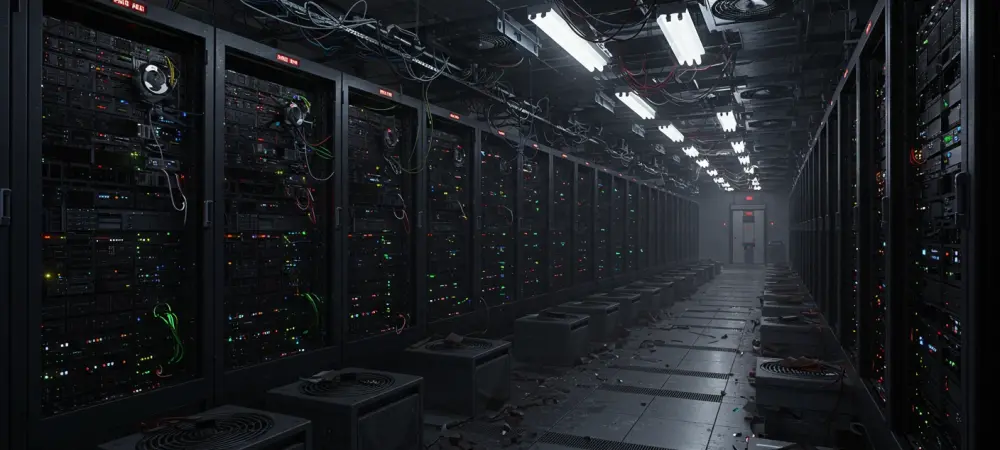
Introduction: The Power-Hungry AI Revolution
Imagine a single datacenter consuming enough electricity to power over five million homes, with just one interconnection request demanding up to 5 gigawatts of energy—a staggering reality unfolding across the United States as artificial intelligence (AI) datacenters surge in scale and number, driven by Big Tech’s relentless pursuit of cutting-edge models. The rapid expansion of AI infrastructure is placing unprecedented strain on an aging national power grid, sparking concerns about sustainability and stability. This analysis delves into the escalating energy demands of AI datacenters, the limitations of outdated infrastructure, industry-driven innovations, and potential pathways to balance technological progress with energy security.
The Rising Energy Appetite of AI Datacenters
Exponential Growth and Sobering Data
The energy consumption of AI datacenters is skyrocketing at a pace that outstrips the nation’s ability to keep up. According to a Goldman Sachs report, the power needs of these facilities are growing so rapidly that grid upgrades are falling critically behind, creating a significant bottleneck. Gartner projects that by 2027, over 40% of U.S. datacenters could face power shortages, with total demand potentially reaching 500 terawatt-hours—an alarming leap from current levels.
Beyond raw numbers, the scale of individual demands is jaw-dropping. A single datacenter interconnection request can require as much as 5 gigawatts, enough to supply millions of households. Axios estimates that by 2040, electricity costs in areas with high datacenter concentration could rise by $14 to $37 per month for residents, even without factoring in inflation, signaling a direct financial impact on communities.
Local Strain and Regional Impacts
The ripple effects of this energy surge are already visible in communities near datacenter hubs. In regions with dense concentrations of facilities, such as parts of Virginia and Texas, local power supplies are under increasing pressure, leading to higher utility bills for residents. Some areas have reported early signs of grid stress, with occasional outages raising alarms about future reliability as demand continues to climb.
Big Tech giants like Meta, Amazon, and Google are at the forefront of this transformation, expanding their AI infrastructure at a breakneck pace. Their sprawling campuses are reshaping energy landscapes, often prioritizing corporate needs over local resources, which has sparked debates about fairness and long-term sustainability in affected regions.
Industry Reactions and Emerging Solutions
Expert Warnings on Infrastructure Gaps
Analysts from Goldman Sachs have described the energy shortfall as a critical bottleneck that threatens to derail AI progress if not addressed urgently. Similarly, Gartner experts caution that systemic failures loom large without significant grid improvements, emphasizing that over 40% of datacenters could be at risk of power deficits in just a few years. These warnings underscore the urgency of aligning infrastructure with technological ambition.
Thought leaders in the energy and tech sectors have voiced concerns about broader economic fallout. They argue that power shortages could stifle innovation, disrupt industries reliant on AI, and even impact national competitiveness. The consensus is clear: failing to tackle this energy crisis risks cascading consequences across multiple domains.
Big Tech’s Independent Power Ventures
Unable to rely on the existing grid, tech giants are taking matters into their own hands with ambitious energy projects. Meta, for instance, is investing in natural-gas-powered plants to support its multi-gigawatt AI clusters, aiming for self-sufficiency in high-demand zones. Microsoft has adopted an even more unconventional approach by partnering to revive the Three Mile Island nuclear plant, harnessing its capacity to fuel supercomputing operations. While these initiatives offer long-term promise, they come with limitations—such projects require years to complete and cannot immediately address the rapid pace of datacenter growth, leaving a gap in short-term solutions.
Policy and Systemic Infrastructure Hurdles
Governmental Steps to Address the Crisis
Amid mounting pressure, policy proposals are emerging as potential lifelines for the energy challenge. President Trump’s proposed AI action plan aims to modernize the U.S. power grid, though specific details remain scarce. This framework, if enacted, could provide a roadmap for balancing AI expansion with energy stability, signaling a recognition of the issue at the highest levels.
However, implementing rapid grid upgrades faces significant obstacles, from political gridlock to logistical complexities. The urgency of policy intervention cannot be overstated, as delays could exacerbate power shortages and hinder technological progress. Collaboration between federal and state authorities will be essential to navigate these challenges effectively.
The Outdated Grid: A Fundamental Barrier
Much of the U.S. electrical grid, built in the 1970s, was never designed to handle the demands of modern AI datacenters. Its aging infrastructure struggles to support current loads, let alone the projected increases over the coming years. This fundamental mismatch poses a systemic risk, with experts warning of widespread outages if upgrades lag behind.
The economic implications of an unprepared grid are profound, potentially disrupting industries and stalling growth. Addressing this issue requires not just investment but also coordinated efforts between private companies and public entities to overhaul a system long overdue for modernization, ensuring it can sustain the digital economy’s future.
Looking Ahead: Innovation Versus Stability
Promising Technologies and Grid Modernization
Future solutions may lie in grid modernization efforts, such as the adoption of smart grid technologies that optimize energy distribution. Integrating renewable energy sources, like solar and wind, could also alleviate strain, providing sustainable power for datacenters. These advancements hold potential but require substantial funding and time to scale effectively across the nation.
Big Tech’s independent power projects could set a precedent for broader industry shifts, inspiring other sectors to explore self-reliant energy models. If successful, these initiatives might reduce reliance on the national grid, though their scalability remains a question mark. Policymakers could accelerate progress by incentivizing such innovations through targeted regulations and support.
Dual Prospects of Growth and Risk
The trajectory of AI offers immense opportunity for the U.S. to cement its technological leadership, provided energy challenges are met head-on. Successfully modernizing infrastructure could unlock unprecedented advancements, positioning the nation at the forefront of global innovation. This positive outcome hinges on proactive measures to bridge current gaps.
Conversely, failure to prepare the grid risks severe consequences, from power shortages to economic disruptions and stalled progress. The stakes are high, as an unbalanced approach could undermine the very innovation driving this boom. Striking a sustainable equilibrium between AI growth and energy capacity remains the defining challenge of this era.
Closing Reflections: Building a Resilient Future
Looking back, the discussions around AI datacenters revealed a stark tension between rapid technological advancement and the constraints of an outdated energy system. The strain on the U.S. grid, coupled with Big Tech’s bold moves to secure power, highlighted both the scale of the problem and the ingenuity at play. Yet, the path forward demanded more than isolated efforts.
Moving ahead, stakeholders need to prioritize collaborative strategies, blending private innovation with robust public policy to overhaul infrastructure. Investing in smart grids and renewables offers a viable long-term vision, while immediate steps to stabilize local power supplies could prevent disruptions. The challenge is clear: unite tech leaders, policymakers, and energy providers to forge a resilient framework capable of sustaining the AI revolution without compromising stability.