

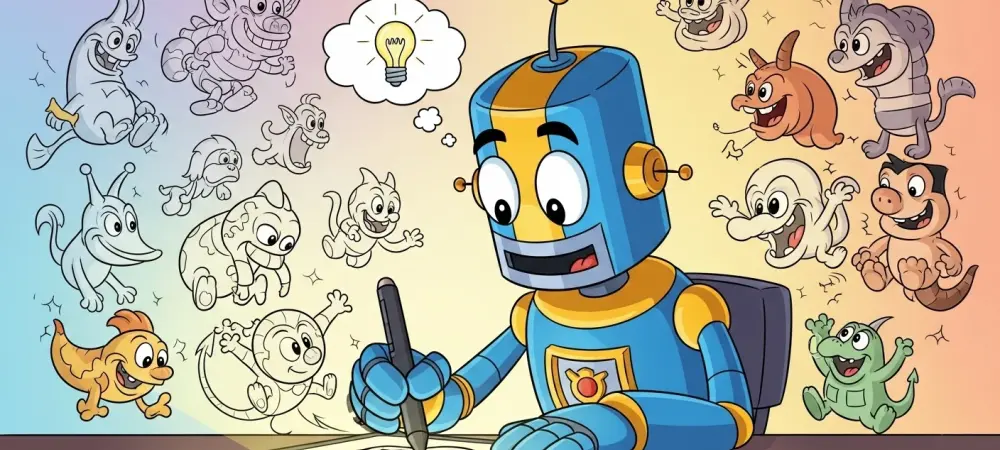
The Viral Wave of AI-Generated Cartoons Sweeping Social Media
In an era where social media platforms like Instagram and TikTok dominate digital interaction, a striking phenomenon has emerged: millions of users are transforming their selfies into vibrant cartoon avatars using AI cartoon generators. This viral trend has not only captivated global audiences but also redefined how creativity is accessed and shared online. The ability to turn a simple photo into a professional-grade illustration with just a few clicks has sparked curiosity about the potential of such tools. The significance of this trend lies in its democratization of digital art, allowing individuals without artistic training to produce stunning visuals effortlessly. From personalized profile pictures to engaging content, these tools are reshaping self-expression in the digital age. This analysis delves into the meteoric rise of AI cartoon generators, the technology driving them, real-world applications, user experiences, and their promising trajectory in the art world.
The Surge of AI Cartoon Generators Across Platforms
Explosive Growth and User Engagement
AI cartoon generators have witnessed an unprecedented surge in popularity, with countless users flooding social media feeds with animated versions of themselves over recent months. Platforms like Instagram and TikTok have become showcases for these creations, where hashtags related to AI art trends garner millions of views and interactions daily. The accessibility of these tools, often available as mobile apps or web-based services, has contributed to their widespread adoption among diverse demographics.
This phenomenon extends beyond mere entertainment, as engagement metrics reveal a deeper connection. Users are not only creating these images but also sharing them in stories, posts, and even group challenges, amplifying their reach. The ease of transforming a photo into a cartoon has turned casual scrolling into active participation, marking a significant shift in how digital content is consumed and created.
Empowering Creativity with Tangible Outcomes
Beyond viral fame, AI cartoon generators have empowered individuals to craft unique content for various purposes. Non-artists can now design eye-catching social media posts, custom gifts like mugs or posters featuring cartoon portraits, and even professional assets without hiring illustrators. This accessibility breaks down traditional barriers in art creation, fostering a new wave of personal and commercial innovation.
Specific use cases highlight this impact, such as individuals using cartoon avatars to refresh their online presence with distinctive profile images. Businesses, too, leverage these tools to create engaging visuals for campaigns, standing out in oversaturated digital spaces. The real-world implications are clear: AI is not just a novelty but a practical solution for creative expression across multiple contexts.
Decoding the Tech Behind Photo-to-Cartoon AI
Machine Learning as the Creative Engine
At the heart of AI cartoon generators lies advanced machine learning, powered by neural networks trained on extensive datasets of photographs and cartoon styles. These algorithms analyze intricate details in uploaded images, such as facial contours, textures, and lighting, before applying artistic filters that mimic hand-drawn aesthetics. The result is a seamless blend of technology and art that feels both personalized and professional.
The transformation process is remarkably efficient, often completed in mere seconds. After dissecting key elements of an image, the AI reconstructs them into a chosen cartoon style, adjusting colors and lines to match the desired effect. This rapid yet sophisticated operation reflects years of refinement in AI development, making complex art creation accessible to anyone with a smartphone or computer.
Diverse Styles and Adaptable Outputs
One of the standout features of modern AI cartoon tools is their versatility in artistic styles, ranging from anime-inspired designs to vintage cartoon looks. Users can select from an array of aesthetics to suit their vision, whether transforming a selfie into a bold graphic or rendering a pet photo as a whimsical sketch. This flexibility ensures that the technology caters to a wide spectrum of creative preferences.
Additionally, these tools handle various input types with impressive adaptability. From close-up portraits to full-body shots, the AI maintains recognizable traits while applying stylistic enhancements. The speed of delivery, paired with high-quality results, positions these generators as indispensable for both casual users and professionals seeking quick artistic solutions.
User Perspectives on Tools Like Xole AI
Testing of Xole AI revealed a standout experience in the realm of cartoon generation, marked by an intuitive interface and rapid processing times of under 30 seconds. The platform excels in producing high-quality outputs that retain intricate details, such as the texture of hair or the nuance of facial expressions, ensuring the cartoon version feels authentic to the original photo. This balance of simplicity and precision sets a high standard in the field.
Further exploration showed a remarkable variety of style options, from sleek vector illustrations to softer, painterly effects, catering to a broad range of creative needs. Whether for minimalist social media icons or detailed personal artwork, the diversity in output meets varying user demands. Such versatility underscores why this tool garners praise across digital communities.
User feedback trends reinforce these observations, highlighting consistent appreciation for accessibility without sacrificing professional-grade results. Many note the ease of navigating the platform, even for first-time users, alongside satisfaction with the lifelike yet artistic transformations. This combination of user-friendliness and quality cements the tool’s reputation as a leader in AI-driven art creation.
Innovative Uses of AI-Generated Cartoons
Enhancing Online Visibility
AI-generated cartoons have become a powerful asset for boosting social media presence, offering a fresh alternative to standard photographs. Users frequently adopt these images as profile pictures or story highlights, instantly drawing attention in crowded feeds. The unique visual appeal often translates to higher engagement rates, as followers interact more with creatively distinct content.
The adaptability of these cartoons further amplifies their utility in digital storytelling. They can be integrated into themed posts or used to craft a cohesive personal brand, adding a layer of originality to online identities. This trend illustrates how AI tools are not just enhancing individual profiles but also reshaping content strategies on a broader scale.
Professional and Academic Integration
Beyond personal use, AI cartoons offer substantial value in professional and educational spheres. Small businesses harness these tools to develop cost-effective marketing materials, such as logos or promotional graphics, without the expense of traditional design services. Content creators similarly embed cartoon elements into videos and websites, enriching their digital offerings with minimal effort.
In academic settings, the technology supports innovative learning experiences. Educators design engaging visual aids to simplify complex topics, while students explore digital art concepts without requiring expensive software or prior skills. These applications demonstrate the far-reaching potential of AI cartoons as practical resources across diverse fields.
Step-by-Step Guide to Crafting an AI Cartoon
Selecting the Ideal Tool
Choosing an AI cartoon generator involves evaluating key factors like output quality, style diversity, processing speed, and user experience. Platforms such as Xole AI stand out for excelling in these areas, offering reliable performance and intuitive design that appeal to both novices and seasoned creators. Prioritizing tools with high-resolution outputs ensures versatility for digital and print applications.
Attention to interface design also plays a crucial role in the selection process. A straightforward layout reduces the learning curve, allowing users to focus on creativity rather than technical hurdles. By aligning tool features with specific needs, individuals can maximize the impact of their AI-generated artwork.
Maximizing Output Quality
Achieving optimal results from AI cartoon generators requires strategic input choices. Photos with clear lighting and direct facial angles typically yield the best transformations, as the AI can accurately interpret features. Avoiding blurry or overly complex images helps maintain clarity in the final cartoon rendition.
Experimentation with different styles is equally vital to finding the perfect match for intended use. Simpler designs may suit social media avatars, while intricate textures enhance personal art projects. Tailoring the output to its purpose ensures that the final image aligns with both aesthetic and functional goals, unlocking the full potential of AI technology.
Looking Ahead at AI Cartoon Innovation
Speculation on the evolution of AI cartoon generators points to increasingly realistic and customizable outputs as algorithms advance. Future iterations may offer finer control over details like color palettes or line thickness, enabling even more personalized creations. This progression promises to further bridge the gap between amateur and professional art production.
While the benefits of broader access to creative tools are evident, challenges such as content oversaturation or ethical concerns around image usage may arise. Addressing these issues will be critical to sustaining trust and innovation in the space. Balancing accessibility with responsibility remains a key consideration for developers and users alike.
The broader implications of AI in digital art suggest a transformative influence on industries and personal expression. As these tools inspire new creative solutions and integrate into mainstream platforms, they could redefine artistic collaboration on a global scale. The potential for AI to shape cultural narratives through visual media opens exciting avenues for exploration and growth.
Reflecting on the AI Art Movement
Looking back, AI cartoon generators have carved a transformative path in digital art, breaking down barriers to creativity and empowering millions to express themselves in novel ways. Their role in blending technology with personal artistry marked a significant milestone in how digital content is perceived and produced. Tools like Xole AI stood as pioneers, exemplifying the potential of accessible, high-quality art creation.
Moving forward, the focus shifts toward harnessing these innovations for even greater impact. Exploring advanced customization, integrating AI cartoons into emerging media formats, and addressing ethical considerations become essential next steps. Embracing these tools with an eye toward responsible creativity ensures that the legacy of AI-driven art continues to inspire and evolve.