

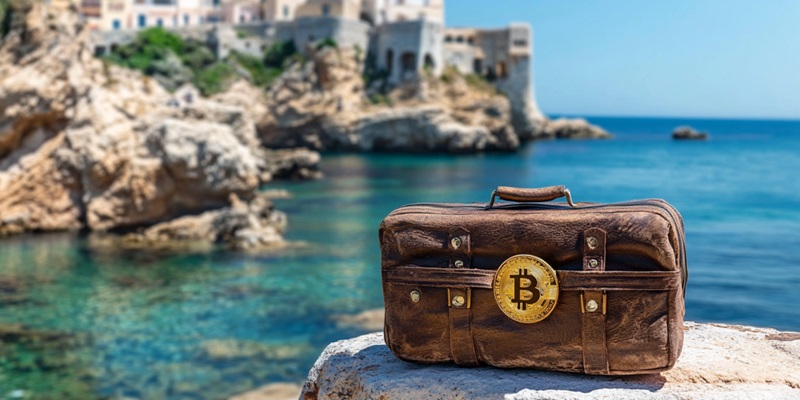
Travala, a prominent cryptocurrency-based travel agency, has announced its latest development: the expansion of its payment options to include tokens operating on the Solana blockchain. During the Solana Breakpoint conference in Singapore on September 21, 2024, Travala’s CEO Juan Otero unveiled the integration with Solana’s blockchain ecosystem. This move not only broadens Travala’s already extensive list of accepted cryptocurrencies but also positions it at the forefront of innovative travel booking solutions.
The Integration with Solana Blockchain
Seamless and Cost-Efficient Transactions
Travala’s integration with Solana allows for a seamless and cost-efficient travel booking process, eliminating transaction fees for users. This development means that customers can now book hotels and flights using Solana’s native token (SOL) as well as stablecoins USDT and USDC directly on the Solana blockchain. By embracing this technology, Travala ensures that its users benefit from faster transaction times and lower costs, which are some of the standout features of the Solana blockchain.
This integration was met with enthusiasm by crypto investors and enthusiasts on social media, who see it as a milestone for both Travala and the broader adoption of cryptocurrencies in everyday transactions. The ability to use Solana tokens directly for travel bookings represents a significant step forward in making cryptocurrencies more practical and integrated into daily life. It showcases how blockchain technology can enhance user experiences by providing efficient and cost-effective solutions.
Travel Rewards in SOL
Additionally, Travala announced plans to introduce travel rewards denominated in SOL, further integrating Solana’s token into its ecosystem. These rewards offer an enticing incentive for users to choose Travala for their travel needs, as earning SOL through travel bookings enhances the value proposition for both frequent travelers and cryptocurrency enthusiasts. This move aligns perfectly with the increasing trend of incorporating cryptocurrencies into various aspects of the travel and leisure industry.
The introduction of SOL-based rewards also paves the way for greater loyalty and engagement among Travala’s users. By providing rewards in a popular cryptocurrency, Travala not only taps into the existing Solana community but also attracts new users who are interested in earning and utilizing digital currencies. This initiative highlights Travala’s commitment to staying ahead of technological advancements and offering innovative solutions that cater to the evolving preferences of modern travelers.
Solana’s Growing Influence
A Competitive Alternative to Ethereum
The broader context of this development underscores Solana’s position as a viable alternative to Ethereum, particularly due to its capabilities in faster and cheaper execution of smart contracts and decentralized applications (DApps). Solana’s growing influence is attracting attention from major crypto platforms like Coinbase, which plans to introduce its wrapped Bitcoin asset, cbBTC, to the Solana network. Wrapped Bitcoin products allow Bitcoin to be used as collateral in decentralized finance (DeFi) applications while retaining control of the asset.
Solana’s partnership with Travala and the introduction of wrapped Bitcoin reflect increasing confidence and interest in its capabilities. By demonstrating its efficiency and scalability, Solana is positioning itself as a rising force in the blockchain market. This development is crucial for the broader ecosystem, as it highlights the potential for Solana to host a wide range of DApps and DeFi solutions, further solidifying its role as a key player in the industry.
Enhancing User Experiences
Travala, a leading travel agency in the cryptocurrency space, has just unveiled an exciting update: the addition of tokens supported by the Solana blockchain to its payment methods. This announcement was made by Travala’s CEO, Juan Otero, during the Solana Breakpoint conference in Singapore on September 21, 2024. By including Solana-based tokens, Travala significantly broadens its already diverse array of accepted cryptocurrencies, solidifying its pioneering role in integrating cutting-edge blockchain technology within the travel industry. This initiative demonstrates Travala’s commitment to offering more flexible and advanced payment options for its users, positioning it at the vanguard of innovative travel booking solutions. The decision to integrate the Solana blockchain ecosystem will enable faster, more efficient transactions, which can contribute to a more seamless booking experience for customers. This move is aligned with Travala’s mission to leverage the benefits of blockchain technology, such as security and transparency, to improve the overall user experience and drive the future of travel.