

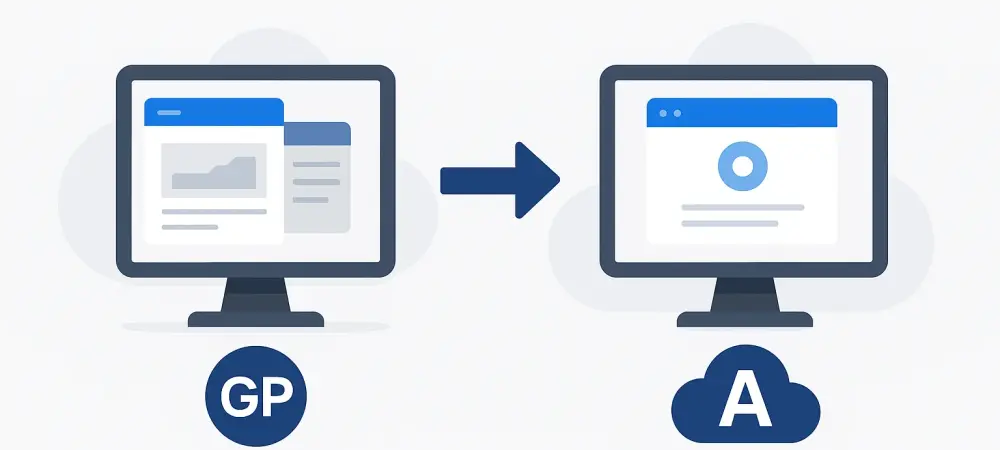
Modernizing the ERP environment involves replacing the license stacking model with a unified platform that provides standard access to advanced scheduling and payment tools. For decades, the duo of Microsoft Dynamics GP and Cavallo SalesPad served as a reliable workhorse for many mid-sized distribution and manufacturing firms, providing the heavy-duty order entry and inventory control that basic accounting software simply could not touch. However, the operational landscape shifted significantly as cloud-native architecture became the standard for enterprise resilience. Today, businesses find that maintaining a complex stack of on-premise software combined with secondary middleware creates a level of technical debt that hampers agility. This fragmentation often leads to a “Frankenstein” system where data must be constantly synchronized between disparate databases, increasing the risk of errors and operational lag. Moving to a truly unified platform like Acumatica represents a strategic departure from this maintenance-heavy past toward a future-proof ecosystem.
Evaluating Economic and Operational Efficiency
Financial Burdens: The Hidden Costs of Software Stacking
The economic reality of running multiple software subscriptions for a single business process often results in a significant financial drain that many organizations overlook during the initial implementation phase. When a company relies on Dynamics GP for its general ledger while using SalesPad for sophisticated sales order management, it effectively doubles the administrative burden of vendor management and software updates. Each of these platforms typically requires its own server infrastructure, maintenance plan, and specialized IT support to ensure the integration between them remains intact. Furthermore, adding specific functionalities like advanced credit card processing or automated warehouse management often necessitates even more third-party plugins, each with its own recurring fee and compatibility quirks. By consolidating these disparate tools into a single, cohesive cloud environment, businesses can reclaim a substantial portion of their IT budget that was previously tied up in managing these expensive licensing overlaps.
Licensing Evolution: Shifting From Seats to Consumption
One of the most profound differences in the financial structure of modern platforms is the move away from the traditional per-user licensing model, which has long been a staple of the Microsoft ecosystem. In a legacy seat-based environment, every new hire represents an incremental software cost, which often discourages companies from giving warehouse staff or field technicians direct access to the ERP. This artificial limitation creates information silos where only a handful of employees can enter data or pull reports, leading to delays and communication breakdowns across departments. Acumatica disrupts this model by utilizing a consumption-based pricing structure that focuses on the volume of transactions rather than the number of individuals logging into the system. This approach allows organizations to empower their entire workforce with real-time data access without the fear of escalating costs, fostering a culture of transparency and operational efficiency that is difficult to achieve under the old seat tax.
Analyzing Functional Parity and Modern Automation
Native Automation: Replacing Manual Tasks with Business Events
Functional superiority in a modern enterprise resource planning system is often measured by the depth of native automation and the ability to respond to market changes without custom coding. While SalesPad earned its reputation through detailed sales dashboards and high-speed order entry, it remains an add-on that must constantly push and pull data from the underlying Dynamics GP database. In contrast, Acumatica provides a more integrated experience through its powerful Business Events engine, which monitors the entire system for specific data triggers or anomalies. For example, if a customer’s credit limit is reached or a high-priority order is delayed in shipping, the system can automatically send notifications, update record statuses, or even trigger external API calls. This native automation eliminates the need for the external agents or secondary automation tools that legacy users have historically relied on, ensuring that critical business processes move forward seamlessly without manual intervention.
Mobile Accessibility: Empowering the Remote Workforce
The shift toward a mobile-first work environment has highlighted the limitations of older systems that were designed primarily for desktop workstations within a local area network. Accessing Dynamics GP data remotely usually requires a complex setup involving virtual private networks or remote desktop protocols, which can be cumbersome and prone to performance issues. Acumatica solves this challenge with a native mobile application that grants users full access to the entire ERP suite from any device with an internet connection, all at no additional cost. This mobility extends beyond simple data viewing; it allows warehouse workers to perform inventory counts, field technicians to update service tickets, and managers to approve purchase orders in real-time. Additionally, the platform’s Generic Inquiries tool enables users to aggregate data from any module into a single, actionable screen, facilitating a level of reporting and document management that is far more flexible than the rigid reporting structures found in legacy stacks.
Lessons from Real-World Implementation
Data Integrity: Consolidating Information into a Single Source
Real-world transitions illustrate the tangible benefits of moving away from a fragmented software landscape where organizations previously managed multiple separate platforms for their core operations. In many instances, companies were forced to use different systems for accounting, project management, customer relationship management, and sophisticated reporting, which naturally led to chronic duplicate data entry and reconciliation errors. By migrating to a single source of truth, these firms have been able to automate repetitive monthly tasks that once took weeks of manual effort, significantly reducing the administrative workload on finance departments. Furthermore, the integration of native payment solutions has allowed businesses to save thousands of dollars annually in credit card processing fees through more efficient data handling and automated reconciliation. These improvements do not just save money; they also improve the customer experience by providing faster, more accurate service throughout the entire sales lifecycle.
Enhanced Visibility: Leveraging Real-Time Executive Dashboards
Executive visibility is perhaps the most significant operational gain when moving from a siloed legacy environment to a unified modern platform. In the old model of Dynamics GP and SalesPad, pulling a comprehensive report that combined sales forecasts with inventory levels and cash flow often required exporting data into spreadsheets for manual manipulation. This process was not only time-consuming but often resulted in leadership making decisions based on data that was several days old. With the adoption of real-time dashboards in a modern ERP, executives can now see the pulse of the business as it happens, with drill-down capabilities that allow them to investigate specific transactions or trends instantly. This shift from a reactive maintenance posture to a proactive operational strategy is essential for companies aiming to remain competitive in a digital-first economy. Having immediate access to reliable data allows for more accurate forecasting, better resource allocation, and a faster response to shifting market demands.
Navigating the Technical Migration Path
Project Management: The Four-Stage Implementation Logic
A primary hurdle for many organizations considering a system overhaul is the perceived risk of business disruption during the transition period. To mitigate these concerns, the migration process from legacy stacks like GP and SalesPad to a modern cloud ERP follows a highly structured four-stage methodology designed to ensure data integrity and user adoption. This process begins with a comprehensive data assessment to determine what information needs to be moved and what can be archived, followed by a system design phase that aligns the new software with unique business workflows. The actual data migration is facilitated by automated mapping tools that translate legacy records into the new format, significantly reducing the time required for manual data entry. Finally, a robust staff training program ensures that employees are comfortable with the new interface before the go-live date. This entire cycle typically spans between three and six months, providing a clear roadmap for modernization without halting daily operations.
Strategic Timing: Preparing for the Legacy System Sunset
The urgency of this transition was underscored by the clear timeline set for the phasing out of Dynamics GP support. With the definitive end of lifecycle support approaching in late 2029, and the cessation of new license sales occurring much earlier, businesses recognized a strategic window to evaluate their long-term infrastructure health. Those who initiated the migration process early were able to transition at a measured pace, avoiding the risks and elevated costs associated with making critical software decisions under extreme time pressure. Leaders prioritized the development of a digital transformation roadmap that focused on removing technical debt and embracing a unified platform to ensure operational longevity. By moving away from the license stacking model, organizations successfully secured a scalable environment that accommodated both current growth and technological advancements. The focus shifted toward leveraging advanced automation and real-time data to drive value, rather than simply maintaining aging servers and disconnected software modules.