

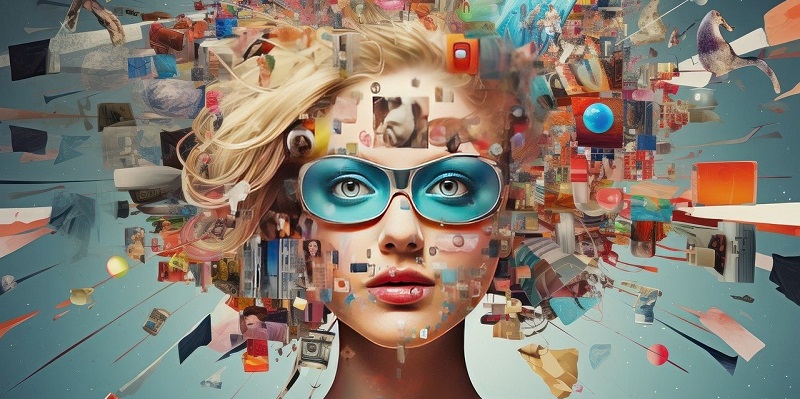
In today’s rapidly evolving technological landscape, artificial intelligence (AI) has emerged as a powerful tool capable of unlocking new opportunities and putting real-time intelligence at the fingertips of customers like never before. This article delves into the role of AI in design and its potential to revolutionize product innovations across industries.
AI’s role in helping designers throughout the design process
Designers have long relied on research, brainstorming, and building processes to create impactful designs. With the advent of AI, designers now have access to advanced capabilities that enhance their workflow. AI can assist in conducting comprehensive research, aid in idea generation, and streamline the design and building processes.
Streamlining the design process with AI-powered tools
Thanks to AI-powered tools, designers can now harness the potential of generating images and videos with a single language prompt. This provides an accelerated starting point, which designers can then customize according to their own discretion, creativity, and contextual knowledge. With this newfound capability, designers can save valuable time during the initial ideation phase.
AI as a co-pilot for user interface design
Designing user interfaces (UI) can be a complex and iterative process. Now, AI offers several tools that act as co-pilots, assisting designers in creating intuitive and user-friendly interfaces. Through automated feedback and analysis, AI tools can help designers refine their designs, ensuring optimal user experiences.
Utilizing AI-driven natural language processing for on-brand copy suggestions
Compelling copy is a crucial aspect of design, and AI has made significant strides in natural language processing and text generation. Large language models (LLMs) can now offer designers a head start by generating a broad range of copy suggestions that align with the brand’s voice and aesthetics. This streamlines the copywriting process, allowing designers to focus on other important aspects of their work.
AI’s assistance in baseline research and summarizing key points
Baseline research forms the foundation of any design project. Here, AI can be of great help to designers, enabling them to conduct comprehensive research more efficiently. By analyzing vast amounts of data, AI algorithms can provide designers with more granular information, saving them valuable time. Additionally, AI can summarize and distill the most salient points from lengthy reports and research studies, presenting designers with concise and actionable insights.
The integration of AI into product design across industries and use cases
Designers across industries are discovering the transformative potential of infusing AI into their product designs. From healthcare to manufacturing, AI is driving product innovations in a wide range of use cases. By leveraging AI capabilities, designers can enhance the functionality, aesthetics, and overall user experience of their products.
Growing investments in AI startups highlight the increasing interest and potential
The potential of AI in design has not gone unnoticed by investors. Investments in AI startups have more than doubled in the past year, indicating a growing interest and recognition of AI’s potential to revolutionize the design industry. This influx of capital allows AI startups to drive innovation further and bring new and exciting possibilities to designers and businesses alike.
Approaching AI advancements responsibly and with cautious optimism
While AI presents immense potential, it is crucial for the design discipline to proceed with caution and responsibility. Designers must prioritize human users and ensure that AI outputs are free from biases and errors. Ethical considerations should guide the integration of AI into design practices to guarantee that technology serves as a tool rather than a replacement for human ingenuity and empathy.
Emphasizing the continued importance of empathy for end users
No matter how advanced AI becomes, maintaining empathy for end users and addressing their needs will always be paramount. Designers must balance the efficiency and precision of AI with the human connection that brings designs to life. By constantly prioritizing user needs and experiences, designers can create innovative and impactful products that resonate with their target audiences.
In conclusion, AI is proving to be a game-changer in design, enabling designers to innovate, streamline processes, and enhance the overall user experience. As designers embrace AI advancements, a responsible and human-centered approach must guide their implementation. By leveraging the power of AI with empathy and ethics, designers can unlock new possibilities and shape a future where technology and human creativity coexist harmoniously.