

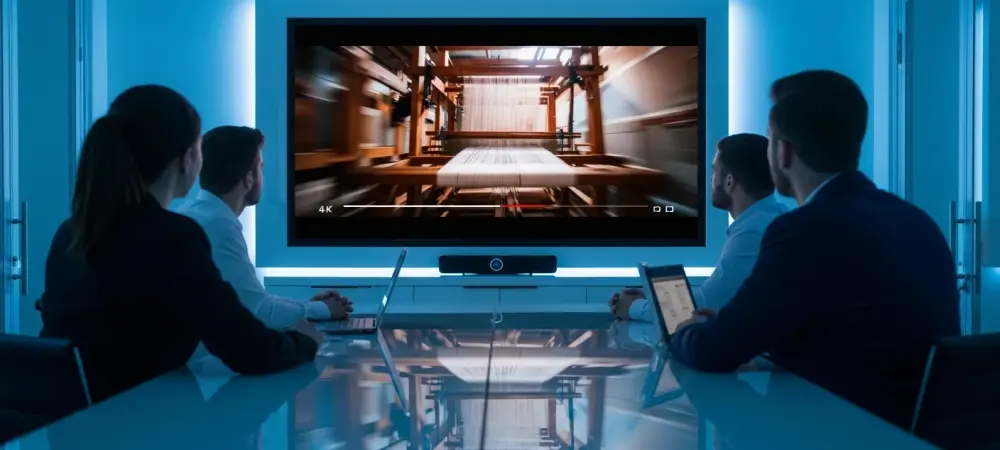
The intricate rhythmic dance of a weaver’s fingers across a loom tells a story that stretches back through centuries of human history and cultural evolution. Each hand-tied knot and every carefully selected pigment represents more than just a decorative object; it is the physical manifestation of a lineage. However, in a digital landscape dominated by rapid scrolling and instant gratification, the profound depth of such artistry often vanishes when compressed into a single, flat photograph that lacks the motion of its creation.
Traditional industries, particularly those specializing in high-end carpets and rugs, face a critical junction where ancient techniques must find a voice within modern media. The challenge lies in communicating the intangible value of craftsmanship to an audience that prioritizes dynamic, high-definition visual content. As marketing evolves, the transition from static galleries toward cinematic storytelling has become the primary method for sustaining cultural relevance and commercial viability in a competitive global market.
The Silent Threads of Heritage: Why Static Images Fail to Capture Artistry
Conveying the sheer weight of a thousand knots or the delicate whisper of a century-old folktale through a motionless image remains a persistent hurdle for heritage brands. While a camera might capture the colors of a handwoven rug, it frequently fails to transmit the tactile soul and the scale of effort required to produce a masterpiece. Digital galleries often feel sterile, stripping away the movement and life that define artisanal work, leaving potential buyers disconnected from the true history behind the fibers.
This gap between physical beauty and digital representation creates a significant loss in perceived value for manufacturers. To bridge this divide, a shift toward more immersive media is required, ensuring that the legacy of these crafts is not just seen but felt by a global audience that demands authenticity in every frame.
The Intersection of Handcrafted Tradition and Modern Digital Consumption
Modern consumers have shifted their focus from simple commodity acquisition toward investing in meaningful narratives that reflect human ingenuity. The younger, tech-savvy demographic values the “human element” and ethical production, yet their primary medium of discovery is fast-paced, high-definition video. This creates a unique paradox for traditional sectors: the need to maintain historical integrity while adopting the frantic pace of digital-first consumption to stay visible in an overcrowded marketplace. AI-powered video generation has emerged as a crucial bridge, allowing heritage brands to translate complex weaving methods into cinematic experiences. By blending the ancient with the cutting-edge, these tools provide a platform where traditional industries can showcase their expertise without compromising the slow, deliberate nature of their craft. This technological evolution ensures that the heritage of hand-knotting resonates with a contemporary audience that seeks both high-tech quality and high-touch authenticity.
Harnessing Seedance 2.0: Translating Intricate Artistry Into 4K Cinema
The introduction of Dreamina’s Seedance 2.0 technology provided the precise tools needed to capture the granular details of artisanal production with 4K clarity. By utilizing these high-resolution models, creators highlighted the raw textures of silk and wool while maintaining the fluid movements of an artisan’s hands during the creation process. Unlike standard video filters, this specific AI engine ensured visual consistency across every scene, meaning that the intricate geometric patterns of a rug remained stable whether viewed in a macro close-up or a wide-angle interior shot.
Choosing between different versions of this technology allows brands to tailor their content strategy to specific budgetary and aesthetic goals. The Seedance 2.0 Mini model offered a significant increase in production speed—up to four times faster than previous iterations—making it ideal for rapid social media deployment and budget-conscious campaigns. Conversely, the 4K model focused on maximum visual fidelity, delivering the level of detail necessary for high-end commercials and brand-defining films where every thread must look sharp and realistic to the naked eye.
Maximizing Brand Authority Through Fluid Motion and Texture Realism
The true power of visual storytelling resides in its capacity to forge deep emotional bonds between the consumer and the craft. Through fluid transitions and realistic texture simulations, brands demonstrated the immense patience and expertise inherent in their production cycles. Research suggests that when customers witness the step-by-step transformation of raw materials into a finished product, the perceived value of the item increases substantially. This transparency builds trust, positioning the brand as a guardian of culture rather than just a seller of goods.
Beyond the emotional impact, the use of AI for simulating natural lighting and realistic environments offered massive practical advantages over traditional film production. Recreating the warm glow of a Mediterranean sunset or the sterile elegance of a modern penthouse usually requires expensive location scouts and lighting crews. However, these advanced tools allowed creators the freedom to place their products in any setting, providing a polished and refined aesthetic that honored the heritage of the product while utilizing the most efficient technology available to the modern marketer.
A Strategic Roadmap: Turning Prompts Into High-End Promotional Videos
A successful transition from a traditional narrative to a high-end promotional video required a structured and thoughtful approach to AI generation. The workflow often began with “Image-to-Video” prompting, where specific cinematography instructions were given to guide the AI in honoring cultural nuances. For example, a prompt might describe a cinematic journey from the raw thread to a completed artwork, emphasizing soft lighting and natural colors to create a sense of pride. This precision ensured the final output was not just a video, but a high-end advertisement with significant production value.
Finalizing the video required careful selection of aspect ratios to match the intended platform, whether that was the 16:9 format for cinematic displays or the 9:16 vertical orientation for social media apps. After the initial generation, creators employed AI upscaling techniques to further refine the movement and clarity, while integrated soundtrack generation added the necessary auditory layer to complete the immersive experience. This comprehensive roadmap allowed even small workshops to produce world-class promotional content that effectively bridged the gap between ancient traditions and modern global markets.
The implementation of AI-driven storytelling proved to be a transformative milestone for the preservation of traditional artistry in the digital age. Manufacturers who embraced these tools found new ways to articulate the value of their heritage to a globalized audience that had previously been unreachable through static media. By moving toward dynamic video formats, brands successfully elevated the status of the artisan from a hidden worker to a central figure in a cinematic narrative. The focus then shifted toward creating sustainable digital archives that utilized high-resolution video to document vanishing techniques for future generations. These advancements provided a solution for the long-standing challenge of keeping slow, manual crafts relevant in a world that favored speed and automation. Ultimately, the fusion of ancient skills with intelligent video technology ensured that the stories woven into every carpet were no longer silent, but instead spoke clearly to a new era of consumers who valued both the past and the future.