

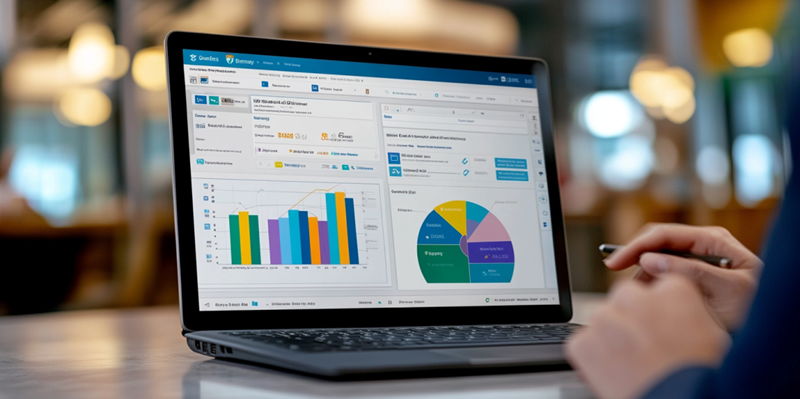
In the era of digital transformation, businesses are continuously searching for tools that can streamline operations, cut costs, and drive growth. Dynamics 365 Finance & Supply Chain Management (F&SCM) stands out as a pivotal solution, particularly for Vice Presidents and CFOs looking to integrate financial and supply chain operations. Designed to enhance operational efficiency, the platform offers a unified approach that promises to keep companies ahead in today’s competitive marketplace.
Streamlining Financial Operations
Dynamics 365 Finance & Supply Chain Management is not just a technological advancement; it represents a fundamental shift in how businesses can manage their financial operations. The system automates mundane, repetitive tasks, allowing finance teams to focus on more strategic initiatives. Automated workflows and robust reporting functionalities provide real-time visibility into financial performance, which expedites decision-making processes. The ability to have a centralized view of all financial transactions eliminates the risks associated with manual data entry and increases the overall accuracy of financial records.
Beyond automation, Dynamics 365 F&SCM enables substantial cost reductions by optimizing various financial processes. Improved cash flow management and more accurate forecasting capabilities allow businesses to plan and allocate resources more efficiently. Additionally, the system’s advanced analytics tools offer predictive insights, enabling CFOs to anticipate financial trends and make proactive adjustments. Whether it’s identifying areas of overspending or finding new opportunities for investment, the platform serves as a vital tool for making informed financial decisions.
Enhancing Supply Chain Efficiency
Managing a supply chain can be enormously complex, but Dynamics 365 F&SCM aims to simplify these challenges through its comprehensive suite of tools. Features like demand forecasting, inventory management, and supplier collaboration ensure that businesses can maintain a streamlined, efficient supply chain. These tools not only improve the accuracy of demand predictions but also help in minimizing inventory costs and reducing wastage. The system provides end-to-end visibility, allowing supply chain managers to track goods from the point of origin to the final customer.
Additionally, the platform’s supplier collaboration features foster better relationships and enhance communication with suppliers. By creating a more transparent and efficient procurement process, companies can negotiate better terms and reduce lead times. Inventory management capabilities are further bolstered by real-time data analytics, which help in optimizing stock levels and reducing carrying costs. The platform also integrates seamlessly with other Microsoft products like Microsoft Teams, making it easier for cross-departmental teams to work together on supply chain tasks, thereby eliminating silos and driving innovation.
Improving Decision-Making with Advanced Analytics
One of the standout features of Dynamics 365 F&SCM is its robust advanced analytics capabilities. Leveraging artificial intelligence (AI) and machine learning (ML), the platform provides predictive insights that are invaluable for business strategy. These technologies analyze historical data to identify patterns and anticipate future trends, allowing companies to make proactive adjustments rather than reactive changes. This is especially beneficial for industries that rely heavily on trend analysis and forecasting, such as retail and manufacturing.
The predictive insights offered by AI and ML go beyond simple trend identification; they enable a more comprehensive understanding of potential risks and opportunities. For instance, the system can identify inefficiencies within the supply chain or forecast market demand for specific products. This level of analytics helps in mitigating risks by offering actionable insights, allowing businesses to prepare better for potential disruptions. Moreover, these advanced analytics foster a culture of data-driven decision-making, ensuring that all strategic moves are backed by concrete, real-time data.
Ensuring Compliance and Reducing Risk
Compliance and risk management are critical components for any business, and Dynamics 365 F&SCM excels in these areas with its built-in regulatory reporting and audit trail features. The platform ensures that companies can meet regulatory requirements effortlessly, thereby reducing the risk of non-compliance. Automated compliance checks and continuous monitoring mean that businesses can stay updated with the ever-changing regulatory landscape without tedious manual interventions.
Enhanced security features provide an additional layer of protection for sensitive financial data. The system includes robust encryption, multi-factor authentication, and regular security updates to safeguard against breaches and cyber-attacks. By incorporating these security measures, the platform helps businesses mitigate the risks associated with data theft and unauthorized access, thereby fostering a more secure operational environment. The audit trails and real-time monitoring capabilities offer an added advantage, allowing companies to quickly identify and address any suspicious activities.
Conclusion
Amid the age of digital transformation, businesses are always on the lookout for ways to streamline their operations, cut expenses, and foster growth. Dynamics 365 Finance & Supply Chain Management (F&SCM) emerges as a game-changing solution, especially for Vice Presidents and CFOs aiming to unify their financial and supply chain activities.
This platform is designed to boost operational efficiency, providing a cohesive approach that ensures companies stay competitive in today’s fast-paced market. What sets Dynamics 365 F&SCM apart is its ability to integrate various facets of a business into one seamless system. It helps organizations make data-driven decisions, improving accuracy and responsiveness.
From forecasting demand to managing inventory and finances, the system covers a broad spectrum of needs, promoting smoother workflows and better resource allocation. By leveraging this tool, businesses can not only stay afloat but thrive amidst the complexities of modern commerce, making Dynamics 365 F&SCM an essential component for any forward-thinking organization.