

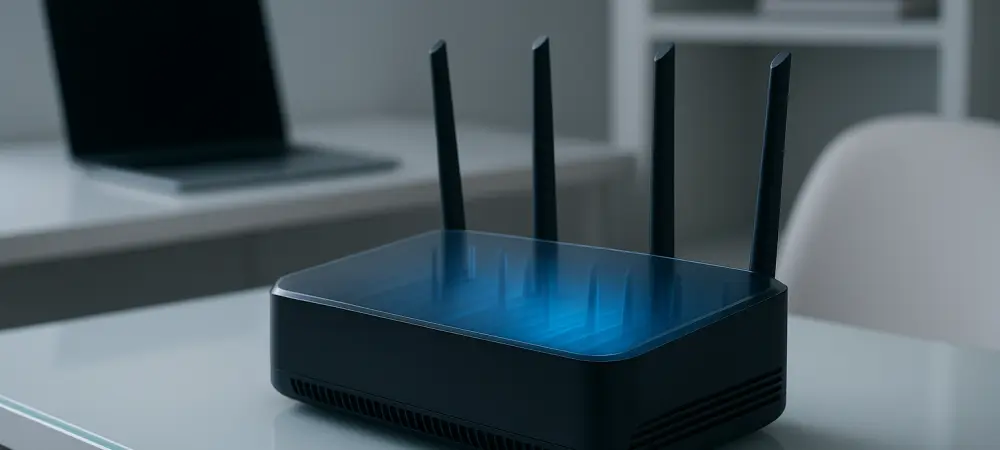
To combat network congestion in urban areas, the new Wi-Fi 8 devices utilize Non-Primary Channel Access to dynamically open secondary frequencies during peak times. This capability was a centerpiece of the recent IFA consumer electronics trade show in Berlin, where TP-Link showcased its first generation of home networking hardware designed for the 802.11bn standard. As the global market continues to integrate Wi-Fi 7 technologies, the early reveal of Wi-Fi 8 suggests a strategic shift toward solving real-world density issues rather than just increasing peak bandwidth. The brand’s Archer and Deco series are being positioned as the vanguard of this movement, promising a more resilient and autonomous user experience. This transition highlights a growing trend among manufacturers to market upcoming standards well before they are finalized by regulatory bodies. By doing so, companies aim to secure their reputation as innovators, even if the actual hardware is not expected to reach the consumer market until mid-2027 or later.
Next-Generation Hardware and Performance Specs
High-Performance Routing and Mesh Coverage
The Archer 8 Ultra emerges as the primary flagship for individual power users who require absolute control over their networking environment. This device is physically imposing, housing an intricate array of 18 internal antennas designed to beamform signals with surgical accuracy, effectively eliminating dead zones in even the most challenging structural layouts. Supporting wireless speeds of up to 19Gbps, the Archer 8 Ultra provides the throughput necessary for high-bitrate 8K streaming, immersive virtual reality environments, and latency-sensitive competitive gaming simultaneously. Beyond raw speed, the hardware incorporates advanced heat dissipation systems to ensure that peak performance is maintained during sustained heavy loads, which is a common failure point in high-frequency networking equipment. This focus on thermal management, combined with the sheer density of the antenna array, positions the device as a professional-grade tool for modern households that have transitioned into fully digital hubs.
Complementing the standalone flagship, the Deco 8 Ultra mesh system addresses the needs of massive residential properties where a single router cannot maintain signal integrity across multiple floors or outdoor spaces. A standard three-unit configuration is rated to cover nearly 10,000 square feet, providing a seamless blanket of connectivity that reaches speeds of up to 22Gbps. This system is specifically engineered to handle the modern smart home landscape, where hundreds of simultaneous connections from appliances, security cameras, and mobile devices can often overwhelm traditional routers. By utilizing the new Wi-Fi 8 protocol, the Deco system manages these connections with improved coordination, ensuring that low-bandwidth internet-of-things devices do not interfere with high-priority traffic like video conferencing. The mesh architecture allows for dynamic rerouting of data packets, maintaining a stable backbone that adapts to physical obstructions and electromagnetic interference in real-time.
Future Ecosystem and Release Timelines
While the hardware specifications are impressive, the industry must reconcile with a multi-year gap between the initial product announcement and actual consumer availability. TP-Link has indicated that while preorders are scheduled to begin in late 2024, the hardware itself is not expected to reach the hands of end-users until the first half of 2027. This extended timeline is a direct result of the ongoing development of the IEEE 802.11bn standard, which is currently undergoing rigorous testing and certification phases to ensure global interoperability. Historically, networking giants have marketed pre-standard equipment to capture mindshare, but the transition to Wi-Fi 8 represents a more complex logistical challenge. Manufacturing such sophisticated silicon at scale requires significant lead times, especially as foundries prioritize the production of high-performance chips for artificial intelligence applications. Consumers are effectively being offered a glimpse into a future that requires several years of engineering.
To ensure that the benefits of Wi-Fi 8 are not limited to the routers alone, the manufacturer is developing a comprehensive ecosystem of supporting hardware, including range extenders and dedicated network adapters. These peripherals are essential for older computers and devices that lack native support for the 802.11bn standard, allowing users to upgrade their existing infrastructure without replacing every piece of technology they own. The rollout of these supporting devices is also slated for mid-2027, aligning with the primary router launch to provide a holistic network upgrade path. This strategy highlights the importance of end-to-end compatibility; a high-speed router is only as effective as the clients connected to it. By planning a full suite of accessories, the company aims to mitigate the bottleneck effect where older Wi-Fi 6 or 7 devices prevent the network from reaching its theoretical peak efficiency. This coordinated release schedule reflects a broader industry trend toward ecosystem-level updates.
Technical Innovations and Market Barriers
Prioritizing Network Efficiency and Stability
The most significant departure from previous wireless generations lies in how Wi-Fi 8 handles data distribution rather than simply increasing the maximum throughput. At the core of this advancement is Dynamic Sub-band Operation, a technology that allows the router to analyze the frequency spectrum and allocate bandwidth with unprecedented precision. Instead of occupying a wide, static channel that might be partially blocked by interference from a neighbor’s network, Wi-Fi 8 can carve out clean sub-bands to ensure a consistent flow of information. This surgical approach to bandwidth management is particularly beneficial in high-density living environments like apartment complexes or urban centers, where the 5GHz and 6GHz bands are increasingly crowded. By making more efficient use of the available spectrum, these routers can deliver high-speed performance even in conditions that would cause older Wi-Fi 7 or Wi-Fi 6E systems to stutter, providing a much smoother experience for high-stakes digital tasks.
Another technical breakthrough introduced with this generation focuses on maintaining connection stability at the physical periphery of the network’s range. Traditional Wi-Fi signals often degrade rapidly as a user moves further from the source, leading to dropped packets and frustratingly slow speeds in distant rooms. Wi-Fi 8 addresses this by narrowing the signal bands as the distance increases, a technique that concentrates the transmission power into a tighter frequency range to punch through walls and floors more effectively. This ensures that a mobile device at the edge of the home’s coverage area retains a usable and stable connection rather than fluctuating between high speed and no connectivity. For users who rely on outdoor smart lighting or security cameras located far from the central hub, this improvement in signal reach and stability represents a major quality-of-life upgrade. It transforms the home network from a central-focused bubble into a truly uniform field of connectivity.
Regulatory Challenges and the US Market
Despite the technological promise of the Archer and Deco series, the path to the United States market is obstructed by a complex web of regulatory and geopolitical challenges. The Federal Communications Commission has intensified its scrutiny of networking equipment produced by foreign entities, focusing on the potential for security vulnerabilities in hardware that manages sensitive data. While the manufacturer has shifted a significant portion of its operations to Vietnam to diversify its supply chain, it must still undergo rigorous authorization processes to prove compliance with strict American security standards. These reviews can be lengthy and unpredictable, potentially leading to delays or even localized bans on specific high-end models. This environment of heightened caution means that while the technology is ready for a global rollout, the American version of these products may require unique firmware or hardware modifications to satisfy federal oversight and consumer safety.
The geopolitical tension surrounding the release of Wi-Fi 8 hardware highlights the strategic importance of telecommunications infrastructure in the modern era. The move to announce these products years in advance is partly a defensive maneuver to secure a position against domestic competitors who may not face the same regulatory hurdles. By establishing a technological lead, the company hopes to create a pull effect from consumers that could pressure regulators to streamline the approval process. However, the risk of technical delays remains high as the international community debates the final allocation of spectrum for the 802.11bn standard. If the United States decides to reserve specific frequencies for government or military use that are otherwise open in Europe or Asia, these routers will require regional customization. This fragmentation of the global market adds a layer of complexity to the manufacturing process, as companies must navigate a patchwork of laws while trying to maintain a unified product vision.
Strategic Industry Considerations and Future Steps
The transition toward Wi-Fi 8 standards necessitated a careful evaluation of how both hardware and policy shaped the digital landscape for home users and enterprises alike. As manufacturers pushed the boundaries of spectrum efficiency, the importance of aligning technical capabilities with regional regulatory frameworks became a central theme for industry leaders. Stakeholders recognized that simply producing high-speed routers was insufficient if the underlying infrastructure and legal permissions were not prepared to support such advanced features. For those planning future network upgrades, the primary takeaway involved focusing on device compatibility and spectrum availability rather than chasing immediate speed metrics. Analysts noted that the proactive shift toward Dynamic Sub-band Operation provided a blueprint for how future wireless protocols would handle the increasing density of urban connectivity. By observing the challenges faced during this initial rollout, early adopters learned to prioritize hardware that offered long-term flexibility and security.