

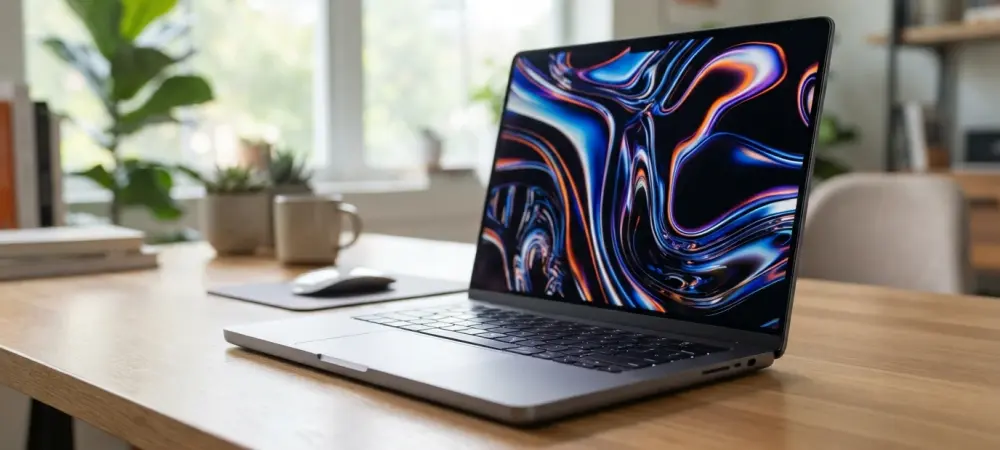
The long-standing barrier between precision cursor control and tactile screen interaction has finally collapsed with the debut of the MacBook Pro featuring the revolutionary PROLED XDR display technology. This transition marks a departure from sixteen years of ergonomic resistance, signaling a new era where professional hardware mirrors the intuitive gestures of the mobile world. By integrating touch into its flagship laptop, the company acknowledges that the modern workflow is no longer tethered to a single input method, but a hybrid experience that demands both power and physical engagement.
The Evolution of Apple’s Design Philosophy
For nearly two decades, the concept of a touchscreen Mac was dismissed as a design flaw, with claims that vertical interaction was inherently tiring for the user. However, the current technological landscape has forced a shift from long-held ergonomic resistances toward modern market-driven hardware integration.
This evolution reflects a pragmatic change in leadership, prioritizing user flexibility over historical dogma. The synthesis of hardware now focuses on a seamless transition between traditional keyboard input and direct screen manipulation for a professional class that utilizes cross-platform tools.
Core Innovations and Hardware Specifications
Tandem OLED and the PROLED XDR Display
The centerpiece of this machine is the tandem OLED technology, which stacks two light-emitting layers to achieve unprecedented visual performance. This dual-layer architecture allows for a consistent 2,000-nit peak brightness for both HDR and SDR content.
Such a high level of brightness ensures that color accuracy remains perfect even in direct sunlight. This approach also addresses previous concerns regarding panel longevity, effectively doubling the expected lifespan of the display compared to single-layer alternatives.
Interactive Interface: Touch Integration and Dynamic Island
Integrating the Dynamic Island into the macOS environment facilitates a new layer of multitasking previously reserved for mobile devices. This interactive element provides a dedicated space for Siri AI interactions and media controls without obstructing the primary workspace. The interface transforms the top of the screen into a functional hub that reacts to system-wide tasks in real time. It allows users to manage background processes with a quick tap, bridging the gap between desktop power and mobile-inspired utility.
Structural Engineering and Premium Aesthetics
Engineering a touchscreen required a complete rethink of the chassis to maintain portability without sacrificing durability. The 16-inch model saw a weight reduction to four pounds, achieving a thinner profile that remains rigid during touch use.
To satisfy long-term enthusiasts, the iconic glowing Apple logo has returned as a primary aesthetic feature. This design choice serves as a beacon of the brand’s high-end professional identity while maintaining a modern, minimalist look.
Strategic Shifts in the Apple Ecosystem
Under the leadership of CEO John Ternus, the company has entered a phase of aggressive product rollouts that prioritize cutting-edge hardware. The adoption of tandem OLED as a standard for professional displays marks a decisive move to outpace competitors.
This strategy ensures that the Mac remains the primary tool for those who demand the highest fidelity in visual computing. By rapidly iterating on display tech, the ecosystem remains the benchmark for the creative sector.
Professional and Creative Applications
Real-world deployment of this technology is most evident in high-end video production and outdoor photography. Professionals now utilize up to 16TB of internal storage to manage massive raw files while using touch gestures to scrub through timelines.
This mobile-inspired workflow, combined with the power of professional processors, creates an efficient environment for AI-driven creative tasks. The 2,000-nit screen allows for accurate color grading in environments that were previously impossible to work in.
Technical Hurdles and Market Obstacles
Despite these advancements, the ergonomic challenge of a vertical touchscreen remains a valid concern for long-term use. To mitigate screen wobble during physical interaction, advanced video stabilization was implemented for the camera system. Furthermore, the high price point of the 16-inch variant presents a significant barrier to widespread professional adoption. These costs may limit the device to top-tier creative firms rather than the broader freelance market.
The Future of Hybrid Computing
Looking ahead, the roadmap from 2026 to 2028 suggests even deeper integration of foldable technologies and the upcoming M6 processor. This unified ecosystem will likely redefine the relationship between desktop and mobile software.
Touch-capable laptops are just the beginning of a larger shift toward modular, high-performance computing solutions. Future breakthroughs will likely focus on haptic feedback and even more responsive display materials.
Final Assessment of the PROLED XDR MacBook Pro
The introduction of the PROLED XDR MacBook Pro represented a historical pivot that successfully balanced power with new modes of interaction. The hardware’s performance confirmed that touch integration was a viable path for the professional market. Ultimately, the strategic significance of this release resided in its ability to unify the user experience across diverse hardware categories. The transition toward touch-capable professional laptops redefined expectations for what a high-end machine should offer.