

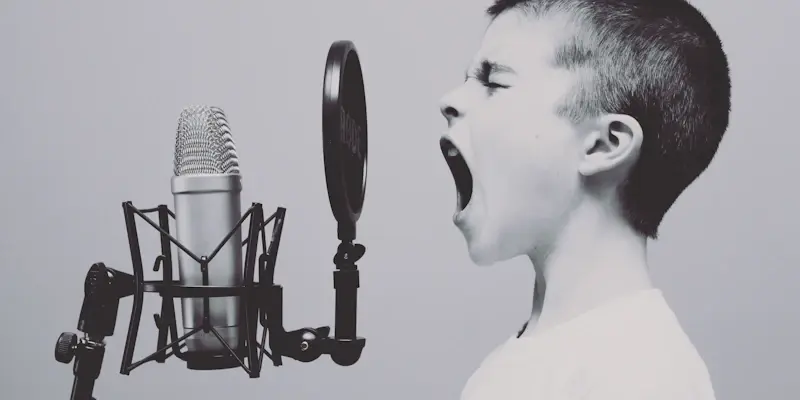
AI voice cloning technology has revolutionized the way creators make audio content. Whether you’re a YouTuber, podcaster, educator, or voice artist, applying an AI voice cloning tool to your workflow can greatly enhance your efficiency and content quality. AI voice cloning has become an essential tool for content creators, enabling them to produce consistent and high-quality audio content without the need for professional voice actors. This post will guide you to explore the best AI voice cloning solutions available in 2025. Keep reading to find out the most effective tools you can incorporate into your creative process.
1. Identify Your Requirements
Before creating voice clones for your project, consider your specific needs, such as the type of content you aim to produce, your language preferences, and your expectations for voice quality, all of which are crucial to achieving the desired outcome. Identifying your requirements ensures that you select the right AI voice cloning tool that can meet your needs efficiently and enhance your content creation process.
The first step is to think about the type of content you are creating. Are you producing educational videos that need a professional tone, or are you making entertaining content that requires a more lively and engaging voice? Defining the nature of your content will help in selecting the perfect voice for your project. Additionally, consider your language preferences. Do you need the voice clone to support multiple languages or specific accents to reach a broader audience? By identifying these specific requirements, you can narrow down the selection of voice cloning tools to those that match your needs. Finally, think about the quality of the voice you expect. Are you looking for a voice that can convey a range of emotions or one that maintains a consistent tone? Your expectations for voice quality will guide you to choose a tool that provides natural-sounding and expressive voice clones tailored to your content’s requirements.
2. Collect Voice Samples
Find samples of your desired voices online or record your own for cloning. The quality of voice samples is critical for creating accurate and lifelike clones. Ensure a quiet environment while recording to avoid background noise, speak clearly, and include varied emotional tones to capture the full range of human expression. Typically, at least 10 seconds of audio is required to make a clone, but more extensive samples can result in better outcomes.
When searching for voice samples online, look for high-quality recordings that match the tone and style you need for your project. Platforms offering public domain or royalty-free samples can be a good starting point. Alternatively, if you decide to record your own voice samples, pay attention to the recording environment. Use a high-quality microphone and ensure that no background noise or echo affects the clarity of the recording. Additionally, incorporate varied emotional expressions in your samples to enhance the versatility of the cloned voice. For example, recording sentences with different emotions such as happiness, sadness, anger, or excitement can help the AI to better understand and replicate these nuances. Once you have collected the necessary samples, you are ready to proceed to the next step: creating your AI voice clone.
3. Create Your AI Voice Clone
Follow the steps on your chosen platform, which usually involves uploading your voice samples and waiting for processing. AI voice cloning technology has advanced to the point where creating a voice clone can be done with just a few clicks. Most platforms offer user-friendly interfaces that guide you through the process, making it accessible even for those who are not tech-savvy. Adjust the clone details if necessary to better match your desired voice characteristics.
Once you have selected a platform, such as FineVoice AI Voice Cloning or ElevenLabs Voice Lab, the first step is to create an account or log in if you already have one. After that, navigate to the voice cloning section and follow the instructions to upload your voice samples. The platform will process the samples and create a digital replica of the voice. This processing stage may take a few minutes to an hour, depending on the length and quality of your samples. After the processing is complete, you can listen to the cloned voice and make adjustments if needed. Most platforms allow you to fine-tune aspects such as pitch, speed, and emotional tone to ensure the final result meets your specifications. Once satisfied with the adjustments, you can save the cloned voice, which is now ready for use in your content creation.
4. Produce Content with Your Cloned Voice
In today’s world, AI voice cloning technology has transformed how creators produce audio content. If you’re a YouTuber, podcaster, educator, or voice artist, using an AI voice cloning tool can significantly boost your effectiveness and the quality of your audio productions. This advanced technology has become a crucial asset for content creators, allowing them to generate consistent and high-quality audio without hiring professional voice actors. By incorporating AI voice cloning into your workflow, you can streamline your production process and focus more on creative aspects. This post aims to help you discover the top AI voice cloning solutions available in 2025. Keep reading to learn about the most efficient tools you can adopt to enhance your creative endeavors. These tools not only save time but also ensure that your audio content maintains a professional standard, making them invaluable for anyone serious about their audio projects. Explore the cutting-edge options that can elevate your work to the next level.