

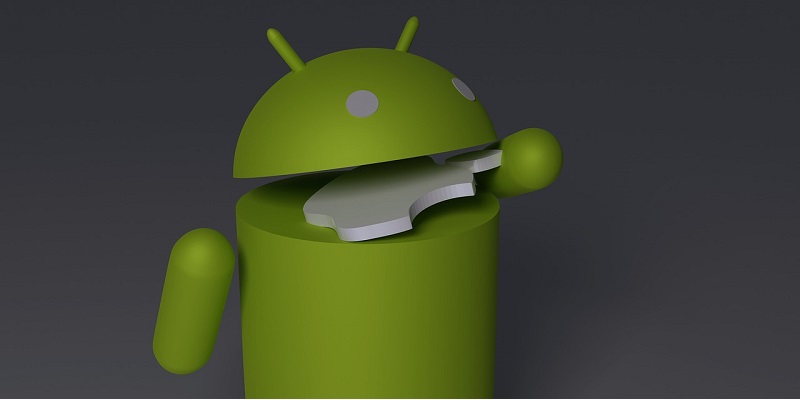
The ongoing debate about the superiority of either the iPhone or Android has been raging on for years. Both operating systems, iOS and Android, have their own unique strengths and weaknesses, each appealing to different types of users. In this article, we will take a closer look at the pros and cons of each platform so that you can make an informed decision about which one is best for you.
Strengths and weaknesses of iOS and Android
Both iOS and Android have their own set of strengths and weaknesses. iOS is known for its stability, security, and ease of use, while Android is known for its flexibility, customization options, and ability to work well with a wide range of devices.
When it comes to the interface
iOS and Android offer touch-based interactions including swiping, tapping, and pinch-and-zoom gestures. iOS boasts a clean and uniform design with rows of app icons neatly organized on the home screen. On the other hand, the Android interface allows users to customize their home screen with widgets and shortcuts that provide quick access to frequently used apps and features.
Software updates
Apple’s commitment to long-term software updates ensures that users can enjoy the latest features and security enhancements for an extended period of time. In contrast, Android updates can vary widely from one device to another, and users may have to wait for extended periods between software updates. Having the latest features and security enhancements is vital for many users, and Apple’s stringent approach to software updates is undoubtedly a plus point if you’re looking for uninterrupted phone software support.
App selection
When it comes to app selection, Apple’s App Store has long been considered the leader in terms of quality and availability. Apple’s strict review process ensures that only the best apps make it to the App Store. On the other hand, the Google Play Store has a vast selection of apps, including many free and open-source apps. However, users are cautioned to carefully review these apps before installing them.
Security and privacy
One area where Apple stands out is in the realm of security and privacy. Apple’s strict guidelines ensure that users’ data is protected from prying eyes. On the other hand, Android is considered to have a more open approach, which has resulted in numerous security issues in the past.
If customization is your priority
Android offers unparalleled flexibility compared to iOS. Android phones allow users to change the appearance of the home screen, including colors, fonts, and background images. Additionally, users can install custom ROMs, launchers, and other third-party tools to modify the functionality and behavior of their devices.
Resale value
Apple devices tend to hold their resale value better than Android devices. iPhones are known for retaining their value for a longer time, even after several years of use. So, if you plan on upgrading your device soon, it is advisable to consider buying an iPhone.
The choice between iOS and Android ultimately boils down to personal preferences, priorities, and requirements. Both platforms have their unique strengths and weaknesses, and the decision to choose one over the other needs to be based on what is important to you as a user. Take the time to understand your personal needs and wants and use this information to determine which platform is right for you. If stability, security, and ease of use are your requirements, go for iOS. Meanwhile, if flexibility, customization options, and affordability are your priorities, then Android is your best bet.