

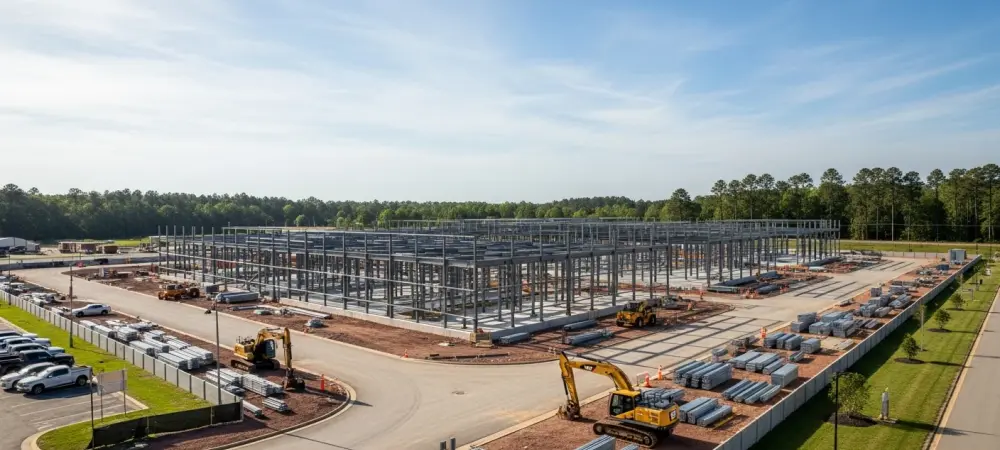
The ambitious plan to transform the industrial landscape of Spartanburg County through a massive $3 billion digital infrastructure project has officially come to an end following a series of contentious local deliberations. TigerDC announced the withdrawal of the initiative, known as Project Spero, on February 27 after local officials and community members signaled a definitive lack of support for the required tax incentives. This abrupt cancellation halted a development that had already cleared two readings by the County Council and was positioned to break ground immediately within this calendar year. The project aimed to establish a 100-megawatt campus, designated as SC1, which promised to integrate advanced closed-loop cooling systems and onsite natural gas power generation to mitigate its environmental footprint. However, the misalignment between the corporate vision and the expectations of local stakeholders created an insurmountable gap that ultimately led to the developer pivoting away from South Carolina toward more receptive jurisdictions.
Diverging Perspectives on Economic Development
The core of the disagreement between the developer and the municipality centered on the financial structure of the deal, specifically the requested payment in lieu of taxes agreement. TigerDC argued that the substantial capital investment warranted significant tax abatements to offset the high costs of building a state-of-the-art facility equipped with specialized sustainable technologies. Residents and council members, however, grew increasingly skeptical of the long-term benefits versus the immediate consumption of local resources and land. While the project was marketed as a high-tech anchor for the region, public opposition focused on the potential strain on local utilities and the perceived inadequacy of the tax revenue generated under the proposed incentive package. This pushback reflects a broader trend among local governments that are increasingly prioritizing community preservation and fiscal predictability over the rapid expansion of energy-intensive data infrastructure that offers limited direct employment for the local workforce.
Establishing New Standards for Industrial Growth
Looking ahead, the pivot by TigerDC toward alternative locations suggested a shift in how hyperscale developers must engage with local communities to ensure project viability. State Senator Josh Kimbrell expressed concerns that the rejection potentially compromised the region’s competitive edge in the digital economy, yet the council prioritized the establishment of comprehensive state-level rules and safeguards before proceeding with similar ventures. This decision demonstrated that economic growth no longer serves as an automatic justification for large-scale development without a clear, standardized regulatory framework that addresses noise, power usage, and water consumption. Developers focused on early-stage transparency and collaborative resource management to secure local buy-in before financial commitments were finalized. Future projects benefited from more rigorous environmental auditing and structured community benefit agreements that balanced industrial needs with local welfare. By fostering a more predictable legislative environment, both the state and private entities avoided the friction seen in this instance.