

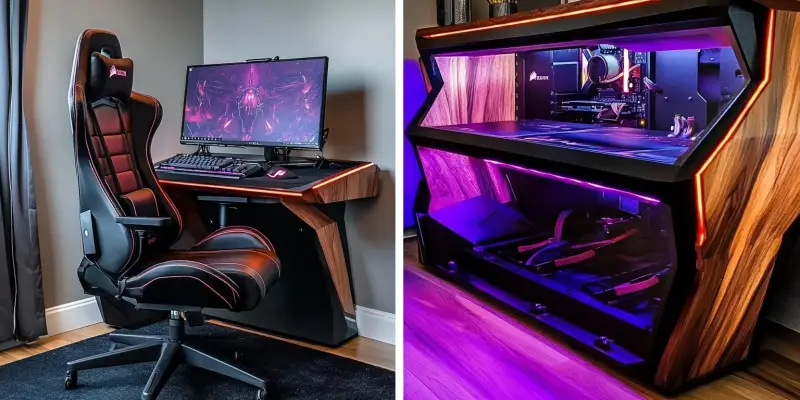
Imagine a piece of furniture that perfectly integrates into your living room, looking like a sleek wooden side table but secretly housing a powerful gaming PC. Danish modder Modfoller has crafted such an innovative masterpiece, known as “The Scandinavian,” which redefines the aesthetic and functionality of gaming rigs by combining them with elegant furniture designs. The Scandinavian’s unique blend of high-performance hardware and minimalistic design heralds a new era for tech enthusiasts who value subtlety and sophistication over flashy computer setups.
Design and Inspiration
Drawing inspiration from Danish, Scandinavian, and Nordic furniture designs of the 1930s to 1970s, Modfoller has masterfully created The Scandinavian to mimic standard oak furniture. This stylistic choice ensures the gaming PC seamlessly integrates into any living room setting, remaining inconspicuous until it is powered on. By prioritizing aesthetics typically found in classic furniture, Modfoller has designed a piece that appeals to those who appreciate both traditional craftsmanship and modern technology.
Subtle Exterior
Externally, The Scandinavian appears to be nothing more than a stylish wooden side table, a testament to its minimalist design. The lack of obvious indicators of its true nature as a gaming PC is deliberate, with the only giveaway being a subtle power button that emits a soft white glow. This design element maintains the integrity of the piece’s appearance while providing an understated nod to its hidden capabilities.
Functional Design
Unveiling the interior of The Scandinavian reveals a powerful gaming setup, complete with an Intel Core i7-11700K processor and an Nvidia RTX 3070 GPU. While the hardware components might not be the latest, they ensure an excellent 1080p gaming performance that satisfies even demanding gamers. This ingenious design allows users to enjoy high-level gaming without compromising on the aesthetics of their living space.
Efficient Cooling
Maintaining optimal operating temperatures is critical in high-performance gaming PCs, and The Scandinavian excels in this regard with its efficient cooling system. The design incorporates aluminum mesh panels, facilitating airflow, alongside strategically placed fans that help keep the system quiet and cool during intense gaming sessions. This thoughtful approach ensures users experience minimal noise and stable performance, enhancing the overall gaming experience.
Craftsmanship
The meticulous craftsmanship of The Scandinavian is evident in every detail. Modfoller has employed traditional woodworking techniques, using a single oak shelf to construct the case, ensuring a uniform grain and tone across all pieces. The use of hand-sanding, wood glue, dowels, and finishing the wood with beeswax lends the table a luxurious look and feel, which is rarely seen in conventional PC cases. This artistry bridges the gap between technology and timeless furniture design.
Customization
The Scandinavian’s design is not only about appearances but also about the practicality of merging two worlds – technology and home living. It represents a forward-thinking approach where powerful gaming experiences don’t have to come with gaudy, cumbersome setups. Instead, you can enjoy the seamless integration of top-tier performance housed in a piece of furniture that enhances your living space, creating a harmonious environment that appeals to both gamers and design enthusiasts alike.