

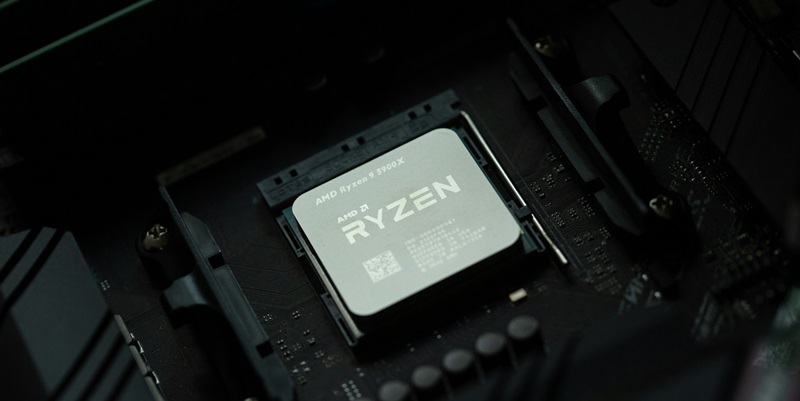
The Ryzen 7 5700X3D has been making waves in the gaming world as a cut-down spin on the well-liked 5800X3D. This new CPU not only offers impressive gaming performance but also comes at a more affordable price point. In this article, we will delve into the details of the 5700X3D, comparing it to its Intel rival and analyzing its gaming potential.
Price Comparison
One of the most appealing aspects of the Ryzen 7 5700X is its price. Priced at $249 in the US, it is significantly more affordable than the 5800X, which is 26% more costly. This lower price point makes the 5700X an attractive option for budget gamers who want to experience high-quality gaming without breaking the bank.
Performance comparison with Intel
When it comes to performance, the 5700X3D doesn’t disappoint. In fact, it outperforms its Intel rival, the Core i5-13600KF, in several games, despite being 15% cheaper. This is a significant advantage for the 5700X3D, showcasing its value for budget-conscious gamers.
Gaming Performance
To understand the gaming prowess of the 5700X3D, let’s take a closer look at specific games where it excels. In CS:GO 2, the 5700X3D boasts a 25% increase in performance compared to the 13600KF. Similarly, in PUBG, it takes the lead with a 22% faster rendering speed. These numbers paint a clear picture of the 5700X3D’s superiority in delivering an immersive gaming experience.
On the flip side, there are games where the 13600KF manages to pull ahead. In Eternal Calamity, Intel’s offering wins by 5.6%, showcasing its strength in this particular game. Furthermore, in Cyberpunk 2077, the 13600KF edges out the 5700X3D by 4.8%. While these numbers do highlight the 13600KF’s prowess in certain games, the overall gaming performance of the 5700X3D remains exceptional.
Focus on gaming
The Ryzen X3D chips are purpose-built for gaming, and the inclusion of 3D V-Cache technology provides varying effects depending on the specific game being played. This technology enhances the overall gaming experience, ensuring smooth gameplay, reduced load times, and improved frame rates. These advancements showcase AMD’s commitment to delivering top-tier gaming performance with their X3D lineup.
Appeal to budget gamers
For budget gamers seeking a great-value gaming CPU, the Ryzen 7 5700X3D is a compelling option. With its affordable price and impressive gaming performance, it stands as a testament to AMD’s dedication to meeting the needs of gamers on a budget. Whether you’re a casual gamer or an enthusiast, the 5700X3D offers an excellent balance between price and performance.
Upgrade potential
The 5700X3D is not only a viable choice for those building a new gaming rig, but also for those with last-gen PCs looking to give their gaming performance a boost. Its powerful performance allows for a seamless transition, providing gamers with a substantial upgrade without breaking their budget. The 5700X3D proves to be a future-proof investment for those looking to take their gaming experience to the next level.
Exclusion of Productivity Side
It’s important to note that this article focuses solely on the gaming performance provided by the Ryzen 7 5700X3D. While Intel may hold an advantage in productivity tasks, the goal here is to cater to budget gamers who prioritize gaming performance above all else.
In conclusion, the Ryzen 7 5700X3D is a solid choice for gamers on a budget. Its impressive gaming performance, affordability, and upgrade potential make it an attractive option for both casual and enthusiast gamers. AMD’s commitment to delivering cutting-edge technology with their X3D lineup is evident in the 5700X3D, making it a budget gamer’s dream come true. So, if you’re looking to step up your gaming experience without breaking the bank, the Ryzen 7 5700X3D should be at the top of your list.