

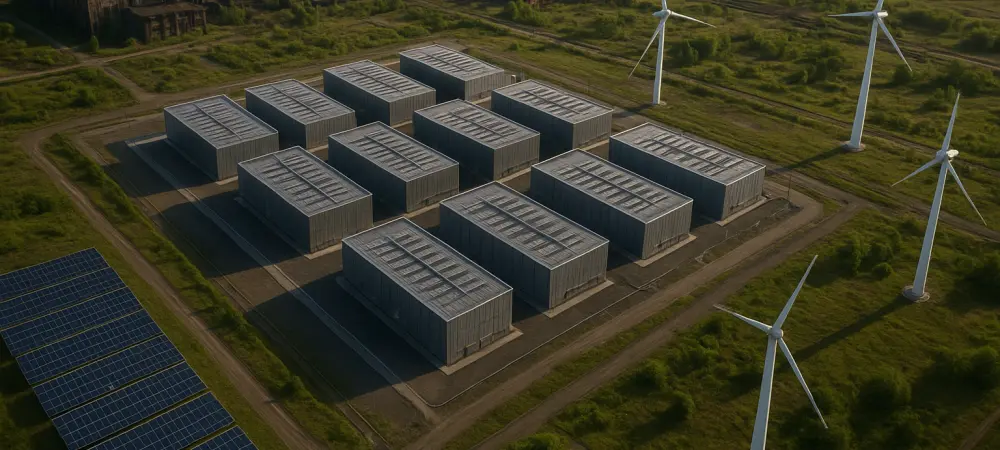
The pastoral silence of the American countryside is being systematically dismantled by the relentless mechanical vibration of windowless steel monoliths that never sleep. This sound, a low-frequency thrum that vibrates through the floorboards of nearby homes, represents the arrival of a heavy industrial era disguised as technological progress. Across the United States, from the rolling hills of Virginia to the arid plains of the Southwest, massive structures are rising to meet the insatiable hunger of artificial intelligence. These are the data centers—the physical nervous system of the digital age—and their rapid expansion is igniting a fierce debate over the future of local land, shared resources, and the very nature of community sovereignty.
In 2026, the transition from software innovation to physical infrastructure dominance has turned sleepy towns into high-tech industrial corridors. This transformation is reaching a boiling point because it intersects with critical modern anxieties: the depletion of natural resources, the erosion of local oversight, and a growing distrust of corporate-government partnerships. As tech giants scramble to secure the electricity and land needed to run large language models, the “cloud” is manifesting as sprawling warehouses that consume thousands of acres of farmland. The resulting friction reveals the true cost of a digital future where the need for processing power frequently clashes with a community’s need for water and silence.
The Constant Hum of the New Industrial Revolution
While much of the global conversation surrounding artificial intelligence focuses on digital ethics and algorithmic bias, a much louder transformation is occurring on the ground. In quiet rural towns and suburban corridors, the sound of crickets is being replaced by a relentless mechanical drone. These “Money Machines,” as some political figures call them, are the massive data centers required to house the sheer processing power of AI. They are no longer just invisible clouds; they are heavy industrial complexes that are rapidly encroaching on local communities, sparking a nationwide debate over who actually benefits from this high-tech gold rush.
This expansion is often framed as an essential step toward national competitiveness, yet the local experience is far more visceral. Neighbors who once looked out at open fields now face concrete walls and the endless roar of cooling fans. The sheer scale of these projects is unprecedented, often involving facilities that span millions of square feet. As these complexes proliferate, the promise of a clean, invisible digital economy is being replaced by the reality of heavy machinery and the permanent alteration of the rural landscape.
Behind the Silicon Curtain: Why Data Center Proliferation Matters
The race for AI supremacy has shifted from software development to a massive land grab for physical infrastructure. As tech giants scramble to secure the electricity and space needed to run large language models, the cloud is manifesting as sprawling warehouses that consume thousands of acres of farmland. This topic is reaching a boiling point because it reveals the physical limits of the digital world. When data centers move into a region, they do not just occupy space; they integrate themselves into the local utility grid and water supply in ways that are difficult to reverse.
The speed of this proliferation is driven by the fear of falling behind in the global AI race. Between 2026 and 2030, the demand for high-performance computing is expected to double, forcing developers to look for land that was never intended for industrial use. This sudden shift caught many local governments unprepared, leading to a frantic scramble to update zoning laws while under heavy pressure from corporate lobbyists. The lack of long-term planning has created a scenario where the digital needs of global corporations are being prioritized over the historic land use patterns of local residents.
The Triple Threat: Land, Power, and Public Trust
The expansion of AI infrastructure is not a victimless evolution; it is a resource-intensive industry that places immense strain on local ecosystems and democratic processes. AI data centers are notorious for their staggering consumption of electricity and water. Unlike traditional warehouses, these facilities require constant cooling to prevent servers from melting down, often diverting millions of gallons of water from local aquifers. This creates a direct conflict with agricultural interests and residential water security, especially in drought-prone regions where every drop is already accounted for.
A troubling trend in the expansion process is the move toward stealth permitting. Recent policy shifts have suggested bypassing Environmental Protection Agency public comment periods to accelerate construction. This technocratic approach effectively mutes local voices, preventing citizens from contesting developments that will permanently alter their property values and quality of life. Furthermore, while proponents promise economic revitalization, the reality is often a jobless growth scenario. Once construction is complete, these massive facilities require very few on-site employees, leaving local residents with the hum of the machines but none of the wealth they generate.
A Growing Bipartisan Resistance Against Tech Overreach
Recent polling data reveals a rare moment of American unity: a massive majority of the public is skeptical of AI expansion. Data from research institutions show that between 71% and 79% of Americans oppose the construction of AI data centers in their immediate communities. This opposition transcends traditional political divides, as both conservative farmers and liberal environmentalists voice concerns over land use and resource depletion. The shared fear of being steamrolled by billionaire tech elites has created unlikely alliances in town hall meetings across the country.
Experts argue that this disconnect between corporate ambitions and the general populace could lead to significant legal and social backlash if the current trajectory continues. The resistance is not necessarily against technology itself, but against the manner in which it is being forced into residential and agricultural zones. When the public perceives that their environmental safety and property rights are being traded for the benefit of distant shareholders, the result is a total breakdown in social trust that makes any future development significantly more difficult.
Strategies for Balancing Technological Growth With Community Autonomy
To mitigate the rising conflict, a more sustainable and transparent framework for infrastructure development must be adopted. Instead of clearing pristine agricultural land or protected forests, developers should be incentivized to repurpose abandoned industrial sites. Utilizing existing brownfield locations reduces the environmental impact and places these high-noise facilities in areas already zoned for heavy industry. This approach honors the integrity of the land while still allowing for the necessary expansion of computing power. Communities should also demand resource-neutral agreements, where data center operators are required to invest in local renewable energy projects or water restoration initiatives that offset their consumption. True progress requires a return to democratic transparency, including mandatory town hall meetings and local veto power over large-scale zoning changes. By moving away from secret approvals and toward genuine community partnership, the tech industry can address public anxiety rather than fueling it, ensuring that the progress of 2026 does not come at the expense of the people it is meant to serve.
The rising conflict over AI infrastructure revealed a critical need for a more sustainable and transparent framework. It was determined that the path toward technological growth had to be paved with genuine community partnership rather than unilateral corporate mandates. The analysis showed that prioritizing the restoration of public trust through resource neutrality and brownfield development offered the only viable solution to the mounting tension. Ultimately, the discourse demonstrated that while the digital age relied on hardware, the stability of that infrastructure depended entirely on the consent of the people living in its shadow.