

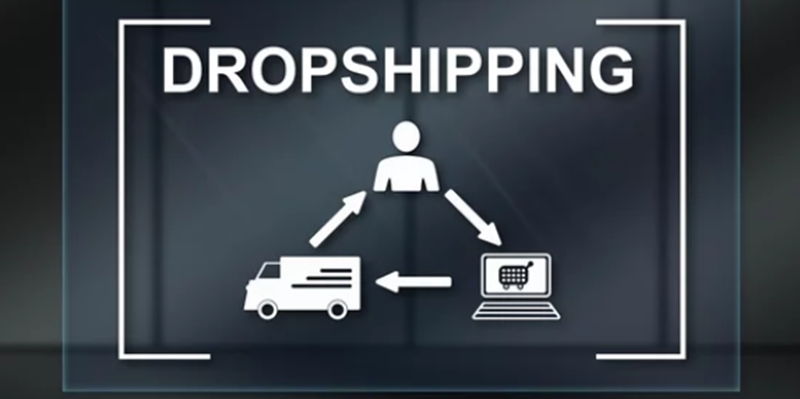
In today’s fast-paced business landscape, distributors are continually seeking innovative ways to optimize their operations and deliver exceptional customer experiences. One such method gaining significant traction is dropshipping. This article delves into the world of dropshipping, exploring its numerous benefits and the role of technology, specifically Microsoft Dynamics 365 Business Central, in automating and revolutionizing the distribution process.
The Benefits of Dropshipping
Dropshipping enables distributors to fulfill customer orders at lightning speed by dispatching products directly from manufacturers or suppliers. By bypassing the traditional inventory storage and shipping process, businesses can significantly reduce their order fulfillment times while simultaneously cutting down on warehouse costs.
To further enhance the dropshipping experience, distributors can establish online portals that dynamically adjust prices based on handling costs. This customization not only allows businesses to maintain their profit margins but also provides customers with transparency and flexibility when making purchasing decisions.
A Boon for Start-ups with Limited Inventory
For start-ups facing budget constraints and the challenge of limited inventory, dropshipping proves to be a game-changer. By eliminating the need for extensive inventory stockpiling, businesses can efficiently get off the ground without incurring significant upfront costs.
Large or bulky inventory items can be a logistical nightmare, requiring ample warehouse space. With dropshipping, distributors can reduce their storage requirements, optimizing their warehouse layouts for more efficient operations and cost savings.
The Advantages of Offering a Wider Product Range
One of the key advantages of dropshipping is the ability to offer an extensive selection of products. Distributors are no longer limited by their physical inventory and can cater to diverse customer demands by partnering with a wide network of suppliers.
Dropshipping is particularly advantageous for international orders as it allows distributors to dispatch products from the nearest manufacturers or suppliers. By leveraging this capability, businesses can provide faster and more cost-effective shipping options to global customers, all while streamlining their supply chain.
The Role of Microsoft Dynamics 365 Business Central in Automating Dropshipping
Microsoft Dynamics 365 Business Central plays a pivotal role in automating the dropshipping process. The software automatically creates purchase orders for suppliers based on customer sales orders, eliminating the manual effort and potential errors associated with transferring information.
By automating the dropshipping process, businesses can mitigate the risk of errors that often occur when transferring information manually. With accurate and seamless data transfer, distributors can save time, improve operational efficiency, and ensure that the right products are delivered in the right quantities every time.
PowerApps Portals, integrated with Microsoft Dynamics 365 Business Central, empower customers and vendors to access drop shipment data, place orders, and track deliveries without requiring significant involvement from the distributor’s team. This self-service aspect enhances customer satisfaction while reducing administrative overhead.
The Impact of Business Central on Order Accuracy
By utilizing Microsoft Dynamics 365 Business Central, distributors can achieve unmatched order accuracy. The software ensures that sales and purchase orders match, reducing the need for manual reconciliation and enabling businesses to deliver a seamless experience to their customers.
In conclusion, dropshipping has emerged as a powerful distribution method that leverages technology to streamline operations, reduce costs, and enhance customer satisfaction. By utilizing Microsoft Dynamics 365 Business Central, businesses can automate the dropshipping process, eliminating errors, improving efficiency, and ensuring the accurate and timely delivery of products. Embracing dropshipping and integrating it with the right technology ensures a competitive edge in today’s dynamic business landscape, enabling distributors to thrive and exceed customer expectations.