

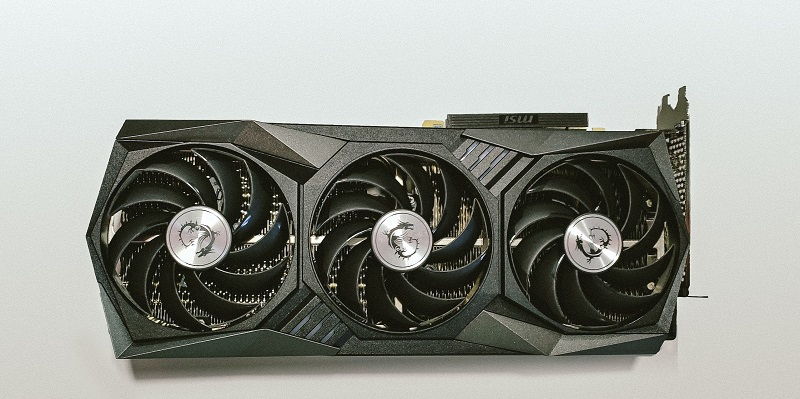
The Nvidia RTX 3090 Super, a graphics card that has been tantalizingly hinted at through online leaks, has yet to receive official confirmation from Nvidia. Nonetheless, its existence has generated excitement and speculation in the gaming community, especially considering the remarkable success of its predecessor, the Nvidia RTX 3090, which remains highly sought after even two years after its release during the Ampere generation.
Overview of the Nvidia RTX 3090
The Nvidia RTX 3090 rose to prominence as one of the best graphics cards available on the market, captivating gamers and enthusiasts alike. Its unparalleled performance and cutting-edge features made it the ultimate choice for those craving top-tier gaming experiences and advanced AI capabilities. Even in the face of newer releases, the RTX 3090 has stood the test of time, solidifying its status as a formidable contender in the GPU landscape.
Release of the Nvidia RTX 3090 Ti
Nvidia made strategic decisions to extend the lifespan of the RTX 3090 model by introducing Ti variants. In early 2022, the gaming community witnessed the arrival of the highly anticipated Nvidia GeForce RTX 3090 Ti. This release further boosted Nvidia’s reputation for delivering exceptional graphics cards that push the boundaries of visual fidelity and performance.
Comparison between RTX Ti and RTX Super
Considering the similarities in technical specifications between the RTX 3090 Ti and what was rumored to be the RTX 3090 Super, it is likely that the fate of the latter would have mirrored that of the former. The core GPU components of the two variants would have been identical, with any distinctions residing mainly within the branding and material design choices.
Relevance to Founders Editions
While the discussion primarily revolves around the implications for the Founders Editions of the RTX 3000-series and possibly the upcoming Nvidia RTX 4000-series, it is worth noting that these aspects may not extend to third-party manufacturers who often incorporate their own unique designs and features in their versions of the graphics cards.
Appreciation for the RTX 3090 Super
Despite never officially being released, the concept of the Nvidia RTX 3090 Super has managed to capture the imagination of enthusiasts. Many have expressed their admiration for the design aesthetics showcased in leaked images and renders, suggesting that if it had been released, the RTX 3090 Super would have been a visually stunning iteration of the already impressive RTX 3090.
Unlikelihood of a return of the Superbranding
While the allure of the “Super” branding may persist, it is improbable that Nvidia will revive it in future releases. With existing GPU sales already experiencing a downturn, introducing yet another variant may not be justifiable from a business standpoint. Nvidia’s focus seems to be on creating innovative products that address specific market demands, rather than diluting their lineup with an abundance of overlapping options.
Considerations for future GPU releases
The decision to release the Nvidia RTX 3090 Ti underscores the importance of carefully assessing market dynamics and customer demand. Nvidia must gauge the viability of launching additional variants, taking into account the potential volume of purchases that would justify the associated effort and resources required for development and production.
Possibility of unexpected developments
While it may be unlikely, the future is always unpredictable. Market conditions, technological advancements, and emerging gaming trends could potentially influence Nvidia’s strategies and lead to surprising variations in their GPU offerings. It is intriguing to ponder the alternative outcomes that may have materialized in a different timeline.
The Nvidia RTX 3090 Super remains shrouded in mystery, existing only in leaks and rumors. As a hypothetical iteration of the immensely popular RTX 3090, its potential release could have offered gamers an even more visually captivating and technologically advanced experience. However, given the market landscape and Nvidia’s strategic decisions, it is unlikely that we will witness the resurrection of the Super branding in the foreseeable future. Regardless, the allure of what could have been adds an intriguing facet to the ever-evolving world of graphics cards.