

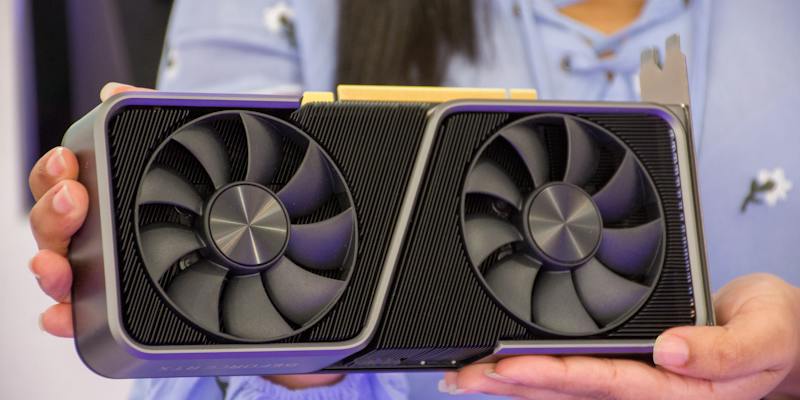
The Nvidia GeForce RTX 4070 Super has created a buzz in the gaming community, generating high expectations following its much-anticipated announcement at CES 2024. This graphics card promises enthusiasts and gamers a powerful and immersive gaming experience like never before. With upgraded specifications and cutting-edge technology, the RTX 4070 Super aims to redefine the boundaries of gaming performance and deliver unmatched visual quality.
Pricing and Availability
Priced at $599.99 in the US (approximately £480/AU$840), the Nvidia RTX 4070 Super offers gamers a competitive price point that aligns with its predecessor’s launch price. However, it’s essential to note that it faces direct competition with the AMD Radeon RX 7800 XT, which comes at a relatively lower price point. The $100 (about £80/AU$140) price difference may raise eyebrows among budget-conscious consumers.
Enhanced Features and Technology
The NVIDIA RTX 4070 Super sets a new precedent for graphics cards with its enhanced features and innovative technologies. The inclusion of DLSS 3 and Frame Generation ensures exceptional image quality, allowing gamers to enjoy immersive gameplay on high-resolution displays. Additionally, the implementation of NVIDIA Reflex technology minimizes input lag, providing a smoother and more responsive gaming experience.
Performance Comparison
When it comes to gaming performance, the Nvidia RTX 4070 Super faces tough competition from the AMD Radeon RX 7800 XT. While the RTX 4070 Super’s DLSS implementation offers notable visual enhancements, it falls slightly behind the RX 7800 XT overall in certain gaming scenarios. This could be a concern for those seeking the absolute best performance in every gaming situation.
Evaluation of the Nvidia RTX 4070 Super
Regardless of its competition, the Nvidia RTX 4070 Super undeniably delivers an exceptional graphics card. Its upgraded specifications, including DLSS 3 with Frame Generation and Nvidia Reflex, ensure an unrivaled gaming experience. Although it may not outperform the competing AMD Radeon RX 7800 XT in every aspect, it shines in other areas, showcasing Nvidia’s commitment to providing top-tier graphics cards.
Release and Sale Details
Excitement builds as the Nvidia GeForce RTX 4070 Super hits the shelves on January 17, 2024, with a retail price of $599.99 in the US (approximately £480/AU$840). It’s worth noting that the launch MSRP matches that of the RTX 4070’s initial release in April 2023. This consistent pricing strategy allows consumers to make informed decisions based on the improved specifications and performance of the Super version.
Design and Aesthetics
The Nvidia RTX 4070 Super boasts a sleek and minimalist design aesthetic, characterized by an all-black shroud, fans, and trim. While it may lack the flashiness of RGB-laden third-party cards, its refined and understated appearance aligns perfectly with Nvidia’s brand identity. Among Nvidia’s lineup, the RTX 4070 Super is undoubtedly the most attractive option.
Final Verdict
Considering its features, performance, and price, the Nvidia RTX 4070 Super proves to be an enticing choice for gamers seeking to elevate their gaming experiences. Although it may not rank as the best budget-friendly graphics card on the market, the enhanced specifications and technological advancements justify the price. Gamers can expect to immerse themselves in high-quality visuals and smooth gameplay for years to come.
With the Nvidia GeForce RTX 4070 Super, Nvidia has delivered yet another phenomenal graphics card. Packed with upgraded specifications, DLSS 3 with Frame Generation, and Nvidia Reflex technology, this card sets a new standard for immersive gaming experiences. While it faces stiff competition from the AMD Radeon RX 7800 XT, the RTX 4070 Super’s exceptional performance, sleek design, and overall value make it a compelling choice for gamers looking to elevate their setups. As the Nvidia GeForce RTX 4070 Super makes its way onto store shelves, it promises to revolutionize the gaming landscape and provide an unforgettable visual journey for PC gamers around the world.