

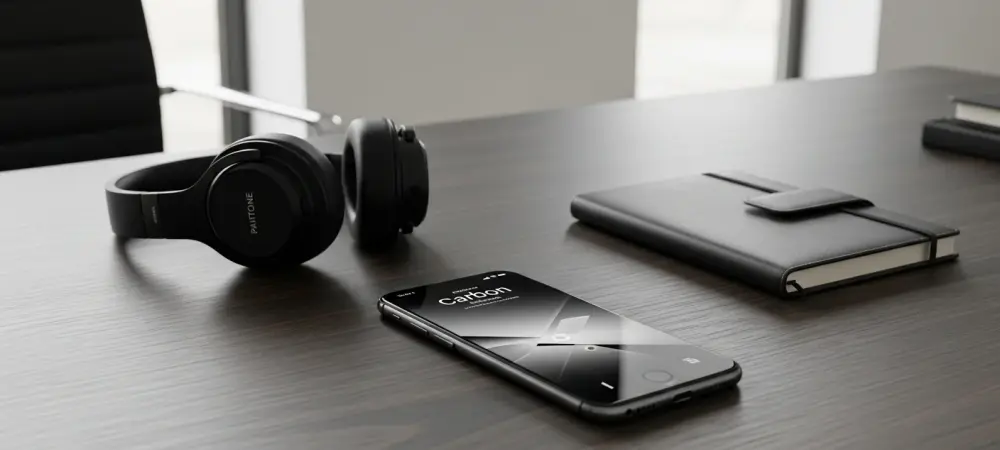
The Motorola Signature smartphone emerges as a powerful declaration of intent within the fiercely competitive flagship mobile sector, signifying a significant leap forward in the brand’s design philosophy and technological innovation. This comprehensive analysis delves into its core features, performance metrics, and the substantial impact it is poised to have on the premium market. The purpose here is to provide a thorough understanding of the device, its current capabilities, and its potential to redefine user expectations for what a high-end smartphone can achieve.
Unveiling the Motorola Signature: A New Flagship Contender
First revealed to the world at CES 2026, the Motorola Signature immediately established itself as more than just an incremental update. It represents Motorola’s ambitious and calculated re-entry into the high-end smartphone landscape, a domain long dominated by a few key players. The device is not merely a collection of impressive specifications but a cohesive statement piece designed to challenge the status quo and capture the attention of discerning consumers.
This strategic unveiling positions the Signature as a direct competitor to industry giants, leveraging a blend of cutting-edge technology and refined aesthetics. By integrating several industry-firsts, Motorola is clearly aiming to reclaim a top-tier position, moving beyond its traditional mid-range stronghold. Its success will depend on whether its ambitious features translate into a superior real-world experience.
Core Specifications and Feature Breakdown
Processing Power and Performance
At the heart of the Motorola Signature lies the formidable 3nm octa-core Snapdragon 8 Gen 5 chipset, paired with a generous 16GB of RAM. This combination promises exceptional performance, capable of handling the most demanding applications and multitasking scenarios with ease. The new Android 16-based Hello UI is designed to be a lightweight yet feature-rich interface, ensuring that the user experience is fluid and responsive, free from the lag that can plague less-optimized systems.
Benchmark scores are expected to set new industry standards, but the true test is in day-to-day operation. From seamless app switching to processor-intensive tasks, the hardware is engineered for sustained peak performance. This powerful core ensures that the device not only excels today but is also well-equipped to handle the software and applications of tomorrow.
Display and Visuals
The device’s 6.8-inch Super HD LTPO AMOLED display is a visual centerpiece, offering an incredibly smooth 165Hz refresh rate that transforms everything from gaming to simple scrolling into a more fluid experience. This high refresh rate is complemented by a record-breaking peak brightness of 6,200 nits, a feature that addresses a common pain point for smartphone users: outdoor visibility. Direct sunlight, which often renders other screens unreadable, poses little challenge to the Signature.
Camera and Imaging Capabilities
Motorola has equipped the Signature with a sophisticated triple rear camera system headlined by the 50-megapixel Sony LYT-828 primary sensor. This advanced sensor is engineered to capture exceptional detail and color accuracy across a wide range of lighting conditions. The inclusion of a 3.5x optical zoom lens further enhances its versatility, allowing for high-quality shots from a distance without resorting to digital cropping that degrades image quality. This system demonstrates a clear focus on delivering a pro-grade photography experience.
Battery and Power Management
A key innovation within the Signature is its 5,200mAh silicon-carbon battery. This next-generation power source moves beyond traditional lithium-ion technology to offer significant improvements in energy density, longevity, and charging speeds. Users can expect extended battery life that comfortably lasts through a full day of heavy use, while the inherent stability of silicon carbon promises greater durability over the device’s lifespan.
Design, Build, and Audio
The physical design of the Motorola Signature exudes premium quality, featuring a slim 6.99mm aluminum frame that contributes to its lightweight 186g profile. The device is available in two sophisticated colorways, Pantone Martini Olive and Pantone Carbon, adding a touch of elegance. This refined aesthetic is matched by an immersive audio experience powered by Dolby Vision, Dolby Atmos, and Sound by Bose, ensuring that media consumption is as impressive audibly as it is visually.
Pricing Strategy and Market Availability
For its Indian launch, Motorola has adopted an aggressive and intriguing pricing strategy. The device, launching exclusively on Flipkart on January 23, is priced at ₹64,999 for the 512GB model and ₹69,999 for the 1TB variant. This pricing is significantly below the leaked box price of ₹84,999 for the top model, suggesting a deliberate effort to undercut competitors and quickly capture market share. This approach could prove highly effective in a price-sensitive yet feature-driven market.
Real-World Applications and Use Cases
The advanced specifications of the Motorola Signature translate directly into superior real-world performance across various demanding scenarios. For mobile gamers, the combination of the Snapdragon 8 Gen 5 chipset and the 165Hz display delivers a competitive edge with ultra-smooth graphics and responsive controls. Photographers can leverage the powerful Sony sensor and optical zoom for professional-quality images, while the exceptionally bright screen makes it an ideal device for consuming media or working in bright outdoor environments.
Potential Challenges and Competitive Landscape
Despite its impressive feature set, the Motorola Signature faces considerable challenges. The primary technical hurdle involves scaling new technologies like the 3nm chipset and the silicon-carbon battery for mass production without encountering manufacturing issues or supply chain delays. Furthermore, the premium smartphone market is fiercely competitive, with established players boasting loyal customer bases and extensive marketing resources. To succeed, Motorola must not only deliver a flawless product but also effectively communicate its value proposition to consumers.
Future Outlook for Motorola’s Premium Devices
The launch of the Signature is a pivotal moment for Motorola, positioning the brand as a serious innovator in the premium segment once again. The technological breakthroughs introduced in this device, particularly the silicon-carbon battery and the ultra-bright display, could set new industry standards and influence the direction of future smartphone development across the market. A successful launch could significantly enhance Motorola’s brand reputation and pave the way for a new lineup of flagship devices.
Conclusion and Final Assessment
The Motorola Signature was presented as a technologically advanced and strategically positioned contender in the flagship smartphone arena. Its combination of a powerful processor, a groundbreaking display, and innovative battery technology established a compelling package. While its long-term success depended on overcoming production challenges and a competitive market, its aggressive pricing and premium features made it a device with the clear potential to disrupt the industry and redefine consumer expectations.